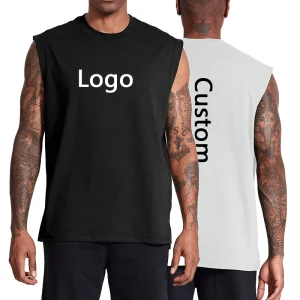
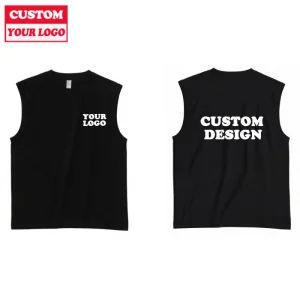
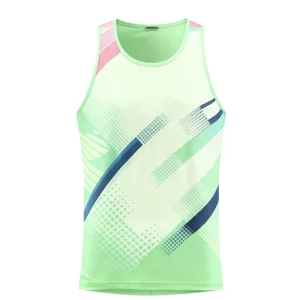
Engineered silhouettes and high-specification fabrics optimized for New York's competitive retail and activewear landscapes.

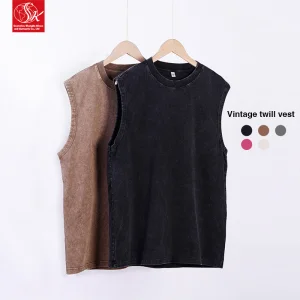
Executive Summary: The global apparel supply chain is shifting from transactional manufacturing to integrated digital ecosystems. For fashion brands and retailers based in New York—the epicenter of global style and athletic lifestyle integration—sourcing partner selection is no longer just about cost-per-unit. It is an operational decision involving lead-time compression, material science innovation, carbon foot-printing, and localized regulatory compliance. This whitepaper details the structural alignment between East-Asian supply chain engineering and the specific demands of the New York apparel market.
New York is a unique, high-intensity retail ecosystem. From the upscale multi-brand boutiques of SoHo and the creative hotbeds of Brooklyn to the headquarters of multi-national retail chains in Midtown, the city demands unparalleled speed and responsiveness in product acquisition. The sleeveless garment category—spanning luxury streetwear heavyweight tanks to high-performance marathon singlets—represents a crucial segment. In New York, these are not merely basics; they are key margin-drivers that require precise silhouette execution.
Brands catering to this market face distinct pressures: seasonal shifts are rapid, consumer expectations for hand-feel and durability are elevated, and the physical constraints of urban retail space dictate a lean inventory model. This environment makes traditional, long-lead-time bulk manufacturing models obsolete. New York buyers require partners who operate with low minimum order quantities (MOQs) for testing phases, backed by the industrial capacity to scale production rapidly once market demand is proven.
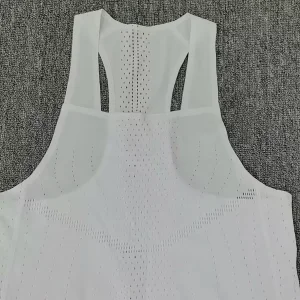
Modern sleeveless apparel requires advanced textile engineering to meet consumer demands for comfort and style. Dongguan Eglin Fashion Co., Ltd. focuses on four major technical directions to serve the New York market:
Our research and development department works directly with yarn spin-houses to develop proprietary blends, such as our Ice Silk Cotton (94.6% Cotton, 5.4% Spandex), combining the structural breathability of natural cellulose fibers with the elasticity required for recovery wear.
At Dongguan Eglin Fashion Co., Ltd., we have transformed the traditional cut-and-sew model into a modern, data-driven manufacturing system. Our manufacturing process integrates specialized machinery and quality checkpoints to ensure that every shipment heading to New York meets strict standards for consistency.
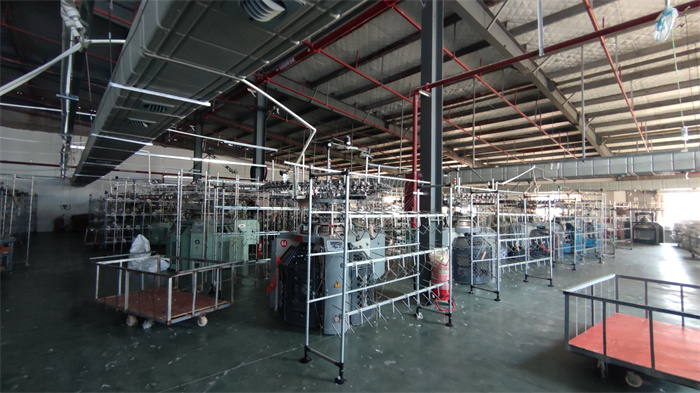
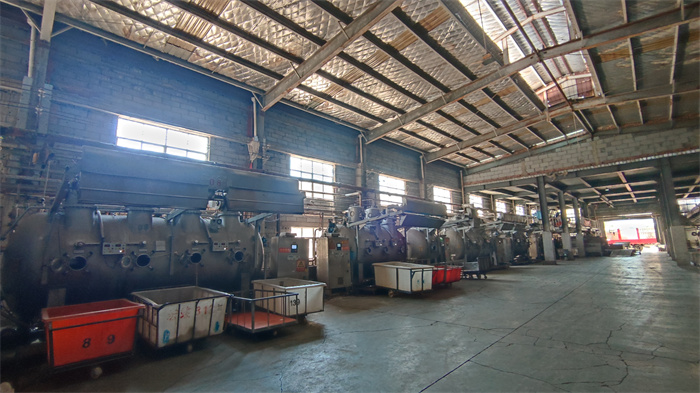
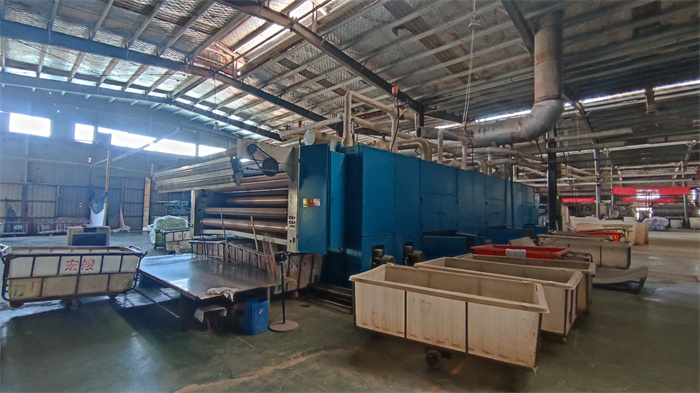
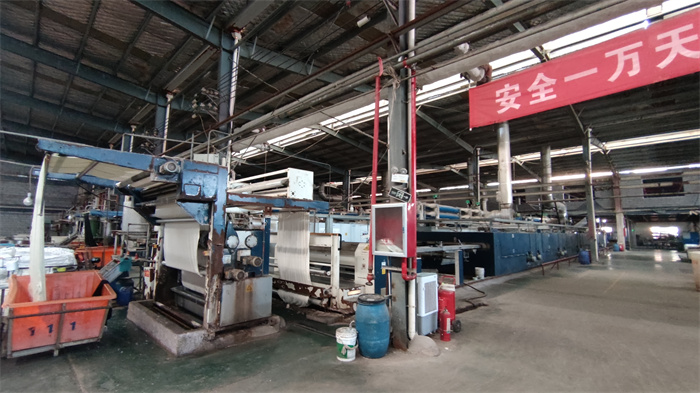
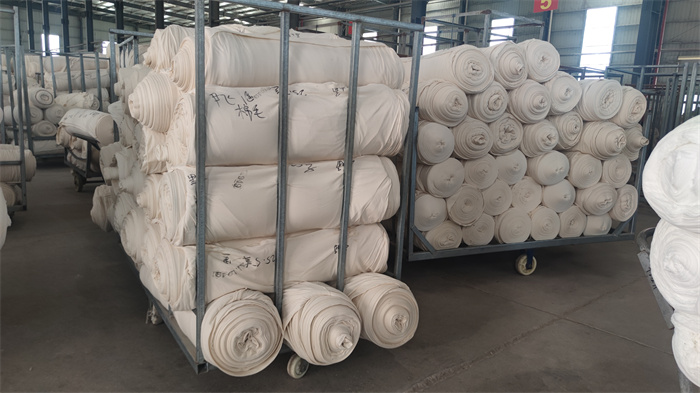
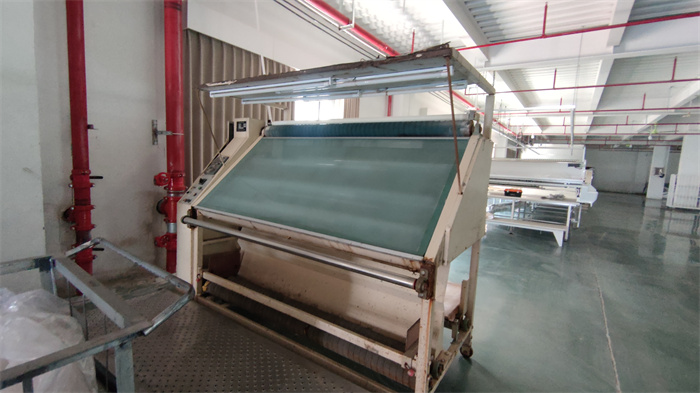
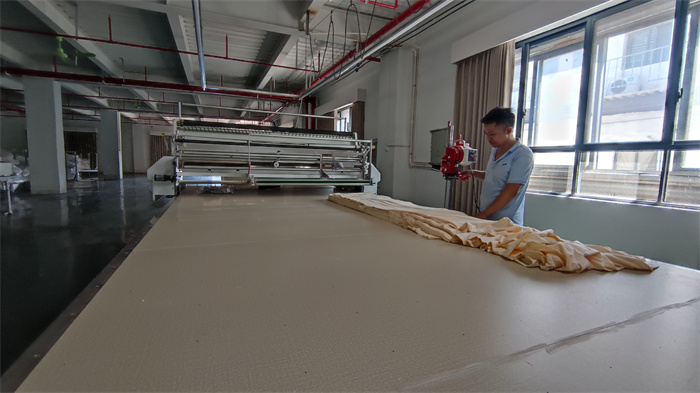
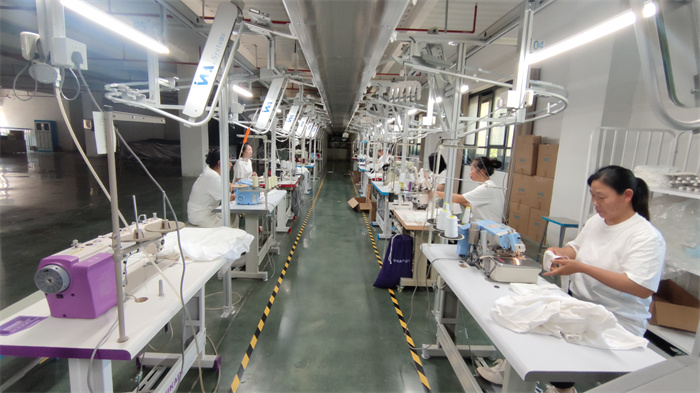
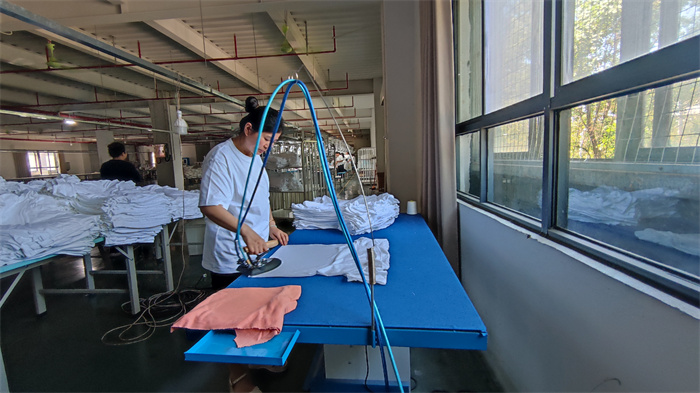
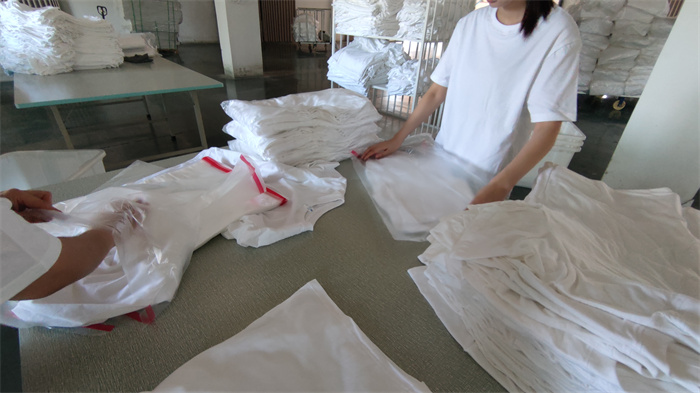
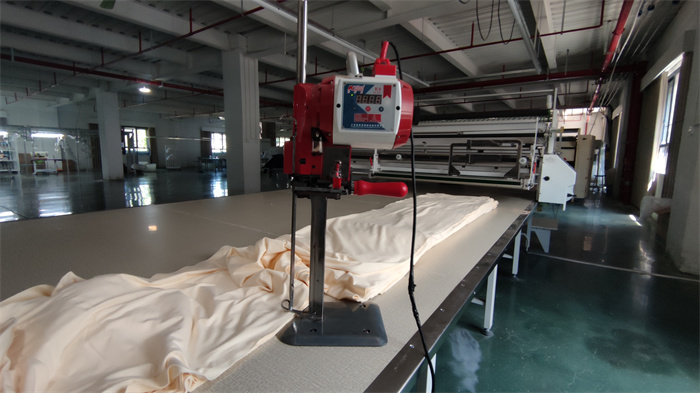
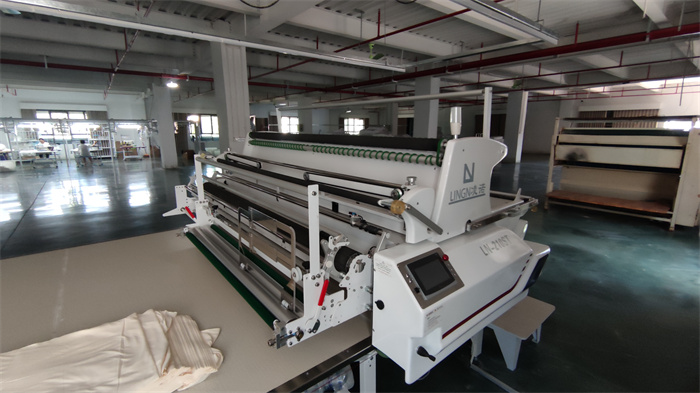
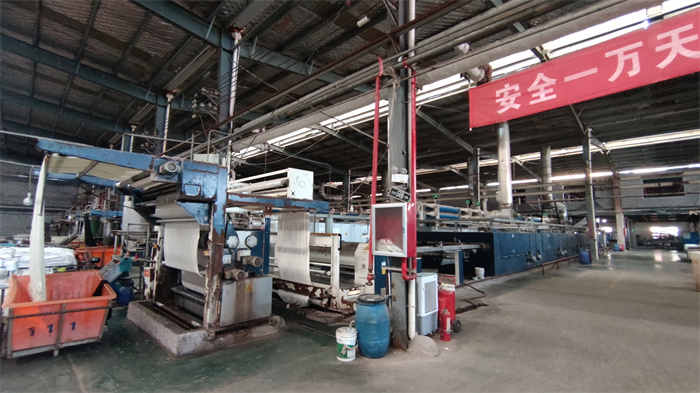
This hardware setup allows us to move away from slow, manual production steps. For instance, our Automated Cloth Laying system reduces material tension and waste, ensuring flat, skew-free panels. Meanwhile, our Cloth Shaping Production Line helps minimize shrinkage—a common issue with heavy knitwear. Because we oversee the process from weaving to packing within a single system, we can easily match the production standards required by US and international retail channels.
Navigating international customs and trade compliance is a key part of B2B importing. For our New York partners, we ensure all products comply with US Federal Trade Commission (FTC) requirements and ASTM standards:
High-quality cuts, performance synthetics, and streetwear blanks available for immediate customization and global export.


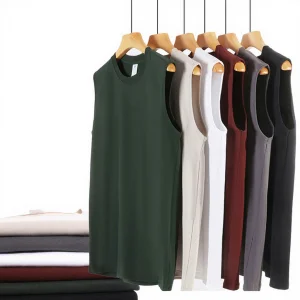

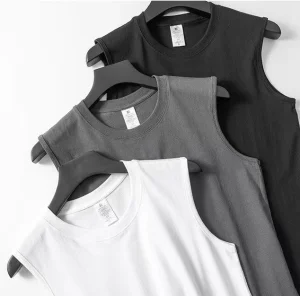

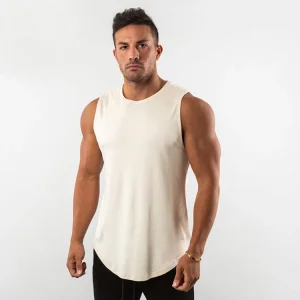
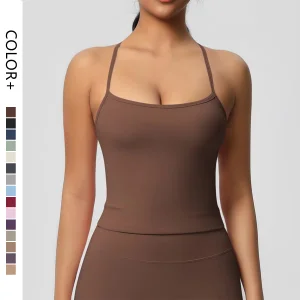


For modern fashion brands and sourcing teams, managing risk is a top priority. Relying on a single supply source can expose brands to port disruptions, regional delays, and changing tariff structures. Working with a flexible, high-capacity partner like Dongguan Eglin Fashion Co., Ltd. allows businesses to mitigate these risks. We provide a balance between the scale of high-volume Asian manufacturing and the flexibility needed to respond to changing market demands.
To help brands maintain healthy inventory levels, we offer structured sourcing solutions, including fabric pre-positioning. By weaving and dyeing core base fabrics ahead of time, we can significantly reduce production lead times during peak seasons. This is particularly valuable for New York-based brands that need to restock fast-selling items quickly during active summer and fall product launches.
 Eglin Fashion