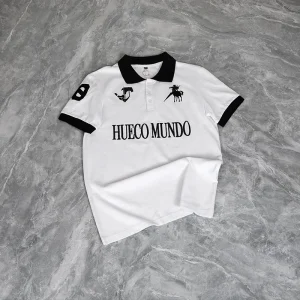
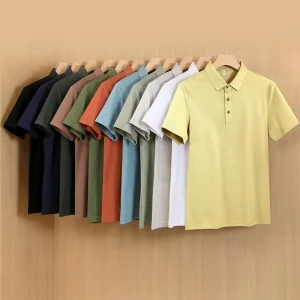
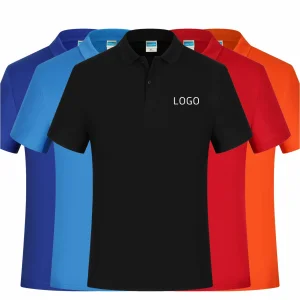
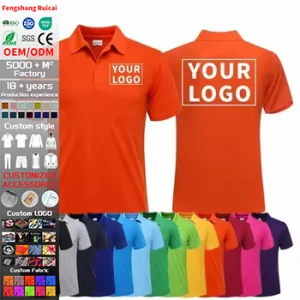
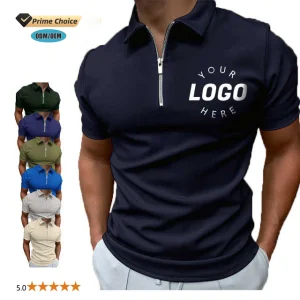
Precision-Engineered Polo Apparel for Global Logistics, Corporate Identities, and Premium Retail Markets
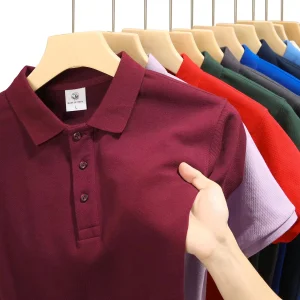
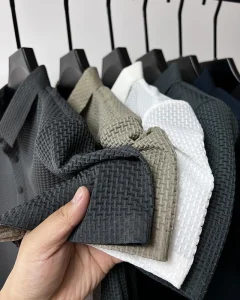
The Evolution of Polo Shirts from Sportswear to Global Corporate & Fashion Staples
In the contemporary global textile trade, the polo shirt represents a unique intersection of casual comfort, utilitarian durability, and formal aesthetics. Valued at billions of dollars annually, the global polo shirt market has evolved beyond simple sportswear. It now functions as a primary canvas for corporate identity programs, high-end promotional apparel, boutique retail streetwear, and technical athletic wear. This multi-sector demand requires textile manufacturers to move beyond transactional production and adopt high-level vertical integration, advanced material intelligence, and strict compliance infrastructures.
According to current market intelligence, business organizations globally are shifting their uniform strategies away from rigid, high-maintenance formal suits toward flexible, high-comfort garments. The knit polo shirt, constructed with a structured collar, placket, and ribbed cuffs, serves as the ideal compromise. This structural design bridges the gap between active functional needs and professional aesthetics. As brands expand their distribution channels across e-commerce platforms and physical outlets, they require manufacturing partners capable of offering low-variance production runs, consistent sizing metrics, and sustainable material supply chains.
Furthermore, consumer purchasing behavior is increasingly guided by search intent queries centered on fabric performance—such as "moisture-wicking pique polo shirts," "anti-pilling mercerized cotton," and "eco-friendly recycled polyester." These search indicators reflect a structural shift in the apparel industry: consumers and procurement teams now prioritize technical performance alongside raw price-per-unit metrics. Consequently, the modern exporter must function not merely as a cut-and-sew factory, but as an engineering partner that translates textile performance requirements into scalable, retail-ready products.
A Garment Manufacturing & Development System Tailored for Modern Brands
Dongguan Eglin Fashion Co., Ltd. is not just a traditional apparel manufacturer—it is a modern garment development and production partner built on the integration of aesthetic understanding, technical execution, and rapid response capability.
In an era driven by trends, noise, and overexposure, we choose to return to essentials: silhouette, proportion, and material integrity. We believe meaningful garments do not rely on loud statements, but on precision, restraint, and consistent design logic.
At Eglin Fashion, our philosophy can be summarized as: reduce excess, refine structure, and strengthen execution.
Instead of layering unnecessary references, we focus on clarity in construction, fabric selection, and finishing details—ensuring every product communicates a coherent visual and tactile language.
Operating as more than a production facility, we function as a development system that bridges creative direction with scalable manufacturing. We understand the operational rhythm of contemporary streetwear and emerging brands, and translate that into structured production logic:
Refining pattern-making to achieve balanced proportions, ergonomic ease of movement, and consistent fit performance across different regional demographics.
Selecting materials based on weight (GSM), drape, hand-feel, structural stability, and brand positioning, ensuring fit-for-purpose utility.
Using reinforced stitching, specialized shoulder tape, optimized placket interlinings, and targeted washes to reinforce structural integrity and long-term durability.
Accelerating the path from initial sketches to high-fidelity physical samples and bulk production runs, while maintaining strict design consistency.
We work directly with designers, independent fashion labels, and corporate sourcing officers, translating initial design intents into repeatable manufacturing systems.
Supporting brand growth through flexible production scales, structured step-up programs, and optimized supply-chain risk mitigation strategies.
The Dongguan Advantage: Integrated Ecosystems and Technological Superiority
The global textile marketplace operates under tight schedules and narrow profit margins. In this environment, the resilience of the manufacturing supply chain is a critical factor for retail brand success. Dongguan, China, has long been recognized as a global hub for garment manufacturing. This reputation is built on an integrated ecosystem of specialized suppliers, raw material access, skilled labor pools, and advanced logistics networks. Eglin Fashion capitalizes on this unique geographic and structural concentration to offer client benefits that are difficult to replicate in less integrated regions.
Unlike fragmented manufacturing sites, our facility operates in close proximity to major textile yarn suppliers, dye-houses, trim designers, and logistics hubs. This concentration minimizes lead times for sourcing raw materials. It also enables fast adjustments to design changes. If a brand requests a specific pantone color match or a yarn composition adjustment, the local ecosystem allows us to develop, dye, knit, and verify samples in a fraction of the time required by factories in more remote areas. This quick-response loop reduces inventory risks for global brands, allowing them to produce based on actual demand rather than speculative forecasts.
Additionally, Dongguan's manufacturing infrastructure incorporates advanced production technologies. From computerized flat-bed knitting machines to automated pattern layout programs, technology is integrated throughout the production cycle. This automation minimizes human error, optimizes fabric yield, reduces material waste, and ensures that the final product matches the approved tech pack. For international buyers, this translation of technology into production reliability provides a structured framework for managing global product consistency.
Transitioning toward Intelligent Textiles, Sustainable Processing, and Digital Prototyping
As the apparel industry shifts toward a digital and sustainable future, Eglin Fashion is executing a multi-phase technical roadmap designed to align with modern standards. This includes transitioning toward eco-responsible inputs, smart digital modeling, and carbon-reduced production methods. By adopting these processes, we help client brands prepare for upcoming regulatory compliance frameworks, such as the European Union’s Digital Product Passport (DPP) initiatives and stricter environmental audits.
Our fabric development program focuses on advanced molecular yarn structures. We are increasing the integration of recycled polyester sourced from certified post-consumer ocean plastics, organic cotton certified by the Global Organic Textile Standard (GOTS), and bio-based fibers like modal and bamboo. These materials are engineered to maintain tensile strength, colorfastness, and low shrinkage. Additionally, we are implementing water-saving dyeing methods and low-liquor ratio machinery to significantly reduce chemical, water, and energy footprints during wet processing.
In product design, Eglin Fashion is expanding the use of 3D digital draping and virtual sampling. By utilizing 3D CAD modeling software, we can simulate fabric drape, weight, fit, and pattern placement on diverse digital avatars. This digital approach reduces the need for multiple physical sample rounds, saving shipping costs and materials. It also accelerates the design-to-market cycle, allowing brands to launch products with lower environmental footprints and verified fit consistency.
Engineering Context-Specific Apparel to Meet Diverse Functional Requirements
A single fabric blend cannot meet the demands of every international environment. True manufacturing expertise requires customizing the garment's fiber composition, structure, and weight to suit the specific context of the end-user. Eglin Fashion tailors its output to perform reliably across a wide range of use cases:
Focusing on heavy-knit, relaxed-fit cotton blends and recycled polyester blends for corporate uniforms, golf clubs, and promotional merchandising campaigns.
Adhering to strict REACH chemical regulations, focusing on tailored slim-fit silhouettes, organic fibers, and clean aesthetics for independent premium retail brands.
Utilizing light GSM, quick-dry functional polyester/spandex blends with ice-feel and anti-microbial treatments, ideal for daily tropical office wear.
Operational Stages of our Vertical Garment Development Workflow
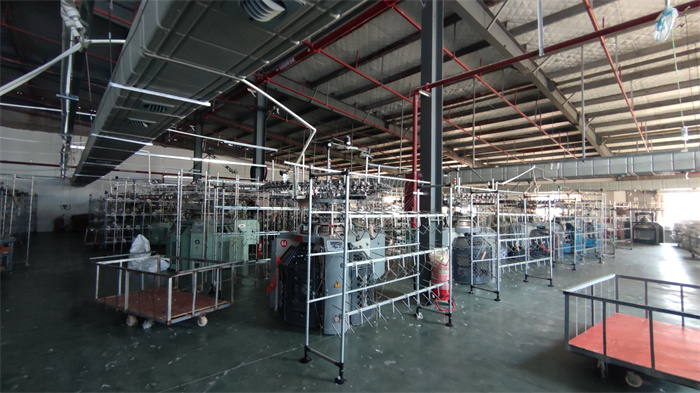
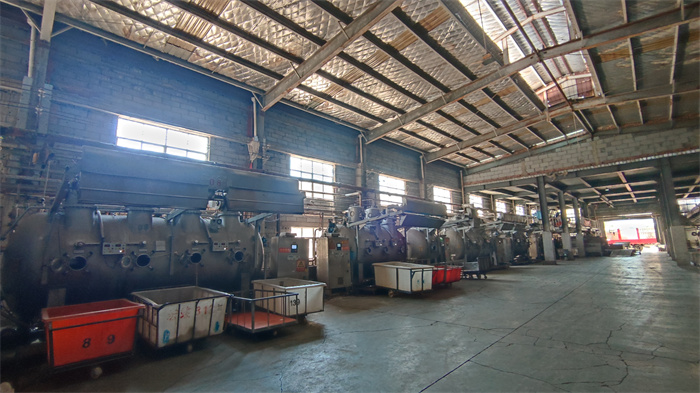
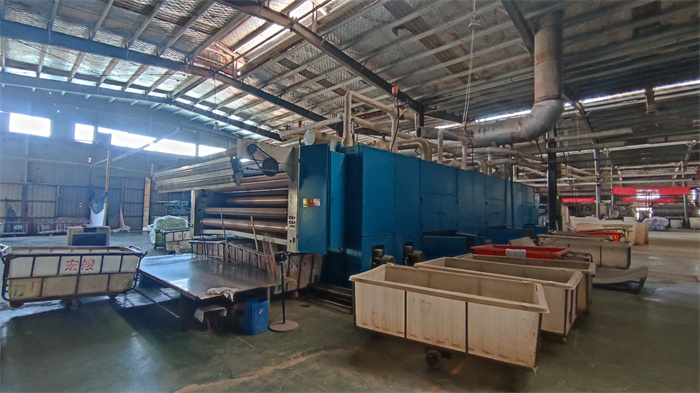
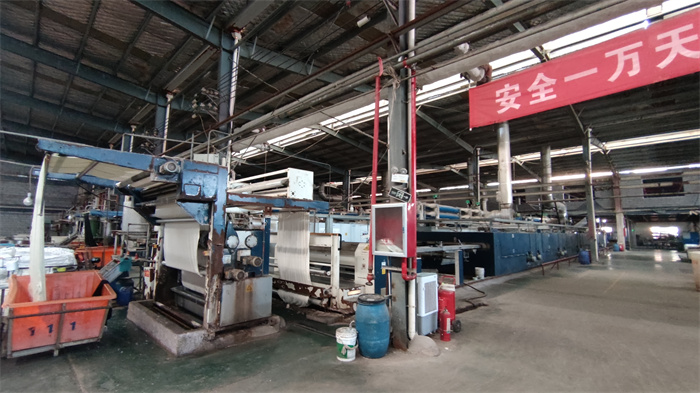
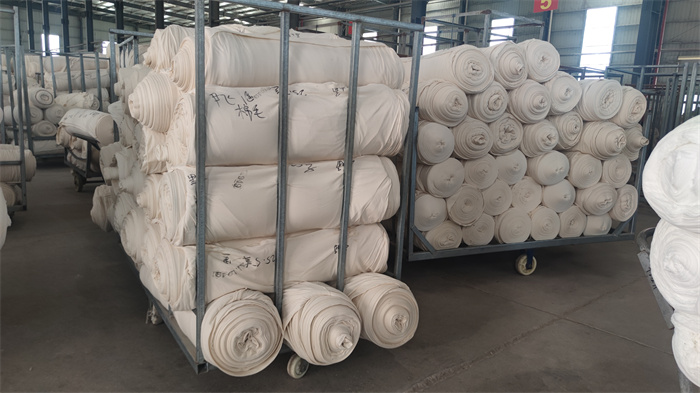
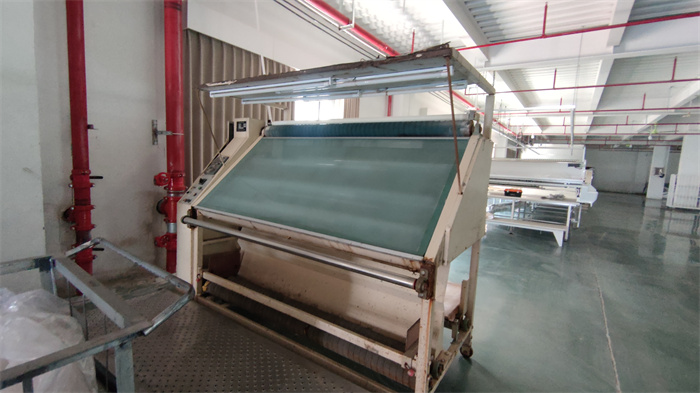
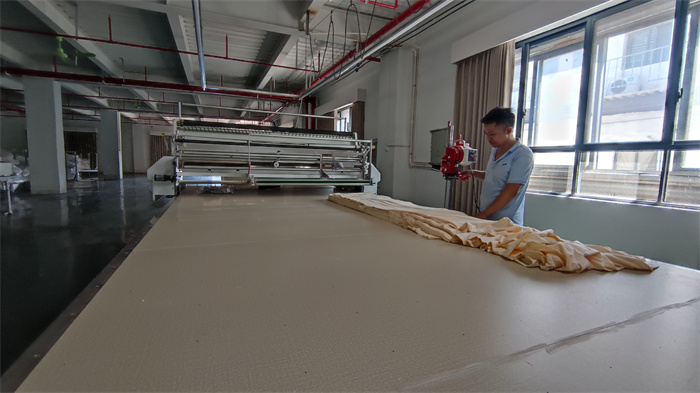
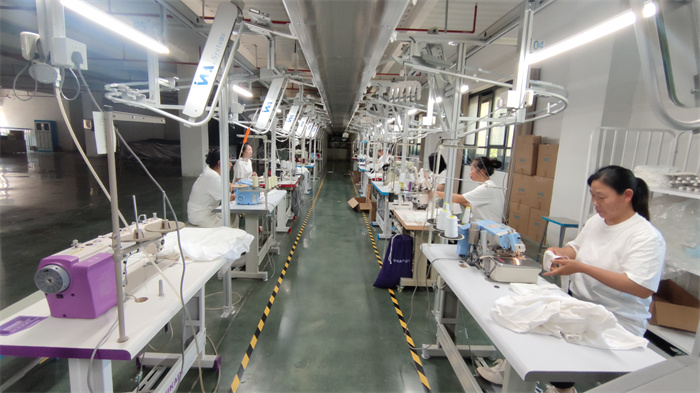
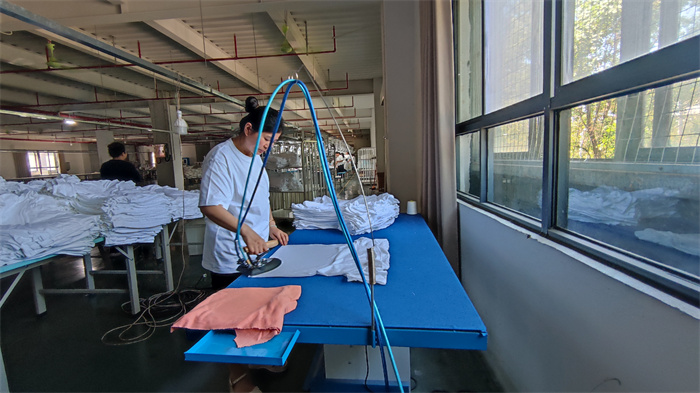
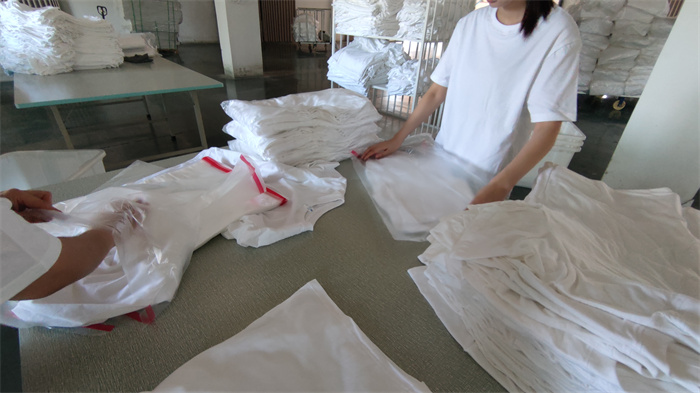
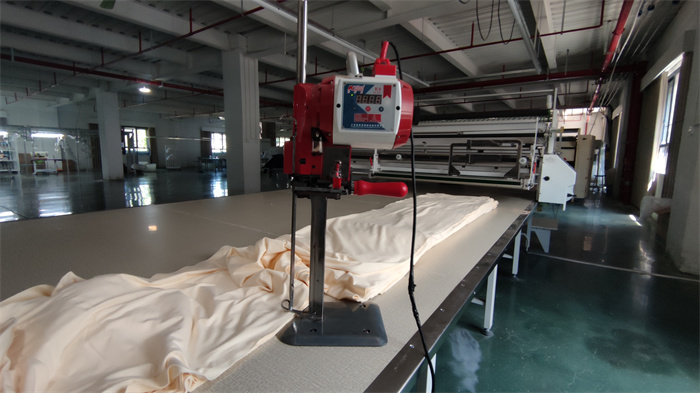
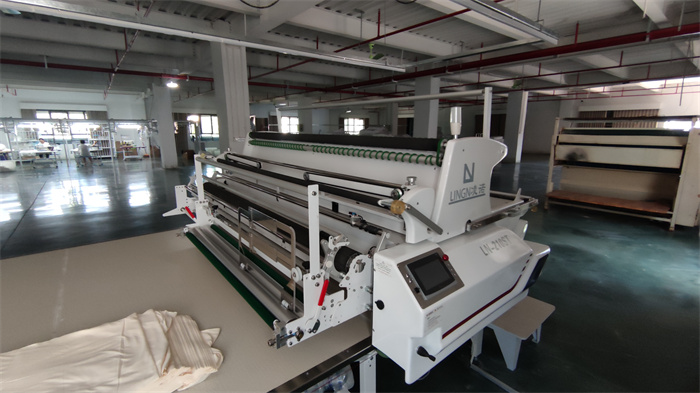
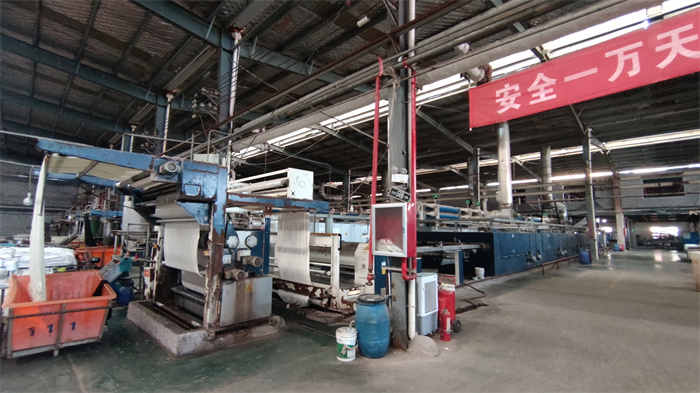
Quality assurance is maintained through sequential verification checks. Eglin Fashion integrates every manufacturing stage—from initial weaving and yarn-dyeing to digital cutting, clean room sewing, multi-stage pressing, and final packaging. Our facility utilizes automated machinery to minimize variations across production batches, ensuring that bulk orders meet original technical specifications.
Navigating International Logistics, Quality Audits, and Tariff Systems
Managing a global supply chain requires adherence to international regulatory standards, labor guidelines, and shipping protocols. Eglin Fashion supports brands throughout this process. We ensure all manufacturing lines comply with local environmental and social regulations. Our facilities undergo regular audits to verify fair labor standards, secure work environments, and transparent production logs. This compliance framework reduces operational risk for brands, allowing them to market products with verified supply chain sourcing.
From a logistics perspective, we manage documentation for key global custom portals. Whether dealing with HS codes for technical knitwear, managing duty arrangements under bilateral trade agreements, or coordinating air/ocean freight distribution, our logistics department assists brands in navigating port entries. We maintain relationships with major freight carriers to secure shipping containers and schedule pickups. This logistical support helps prevent import delays and helps ensure products arrive at global distribution centers on schedule.
In addition, our quality assurance program implements standard operating procedures at every stage, including yarn checking, sewing inspection, and final barcode placement. Each production lot is checked for color fastness, dimensional stability after washing, seam slippage, and button pull-strength. Detailed QC reports are provided to clients prior to dispatch, offering a clear record of quality verification before the goods leave the factory floor.
Addressing Crucial Questions for Brands, Procurement Directors, and Sourcing Managers
Pique knit features a structured, geometric textured pattern (such as honeycomb or waffle grids) that keeps the fabric away from the skin, enhancing air circulation and breathability. It is heavier, holds shape well, and is ideal for classic corporate wear and golf polos. Single jersey is flat, smooth, lighter, and stretchier, making it suitable for fashion-focused, body-hugging designs or warm-weather lifestyle shirts.
Our standard production runs typically start at low-MOQ options for custom embroidered styles, designed to support emerging brands and collections. Minimum quantities vary depending on fabric customization and custom dye requests. We offer scalable options so brands can expand their orders as customer demand increases.
We pre-shrink knit fabrics during the finishing and setting stages, maintaining shrinkage rates within standard commercial limits. For colorfastness, we utilize certified dye formulas that achieve a rating of 4-5 on the gray scale for water, perspiration, and rubbing tests, ensuring colors remain stable over multiple wash cycles.
Yes. We offer options using Global Recycled Standard (GRS) certified polyester, organic cotton (GOTS-certifiable), and semi-synthetic fibers like modal. We provide transaction certificates to verify the environmental credentials of these raw materials for consumer marketing campaigns.
Standard sample development takes approximately 7 to 14 days, depending on fabric availability. Bulk production is typically completed in 25 to 40 days following sample approval and deposit confirmation. Shipping times depend on the destination port and selected freight method.
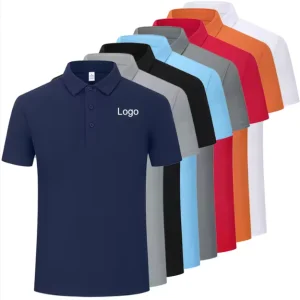
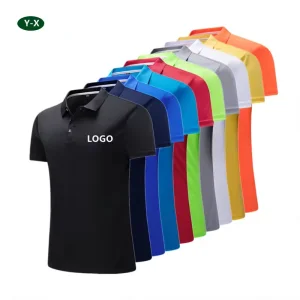
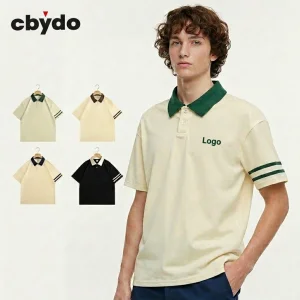
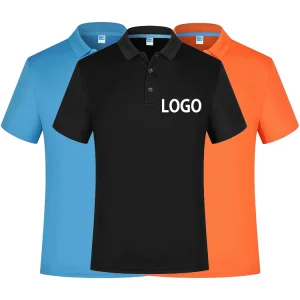
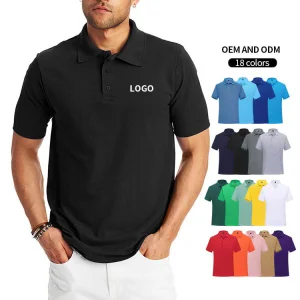
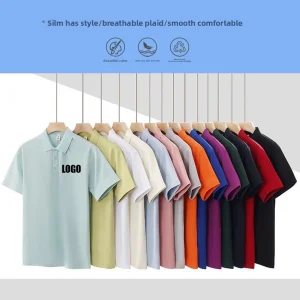
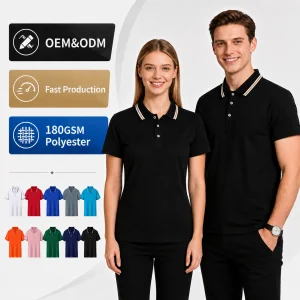
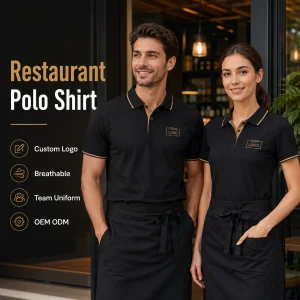
Fully Customizable Polo Base Units Ready for Worldwide Export
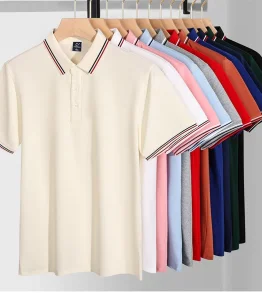
 Eglin Fashion