Premium blazer silhouettes and structured two-piece suit systems manufactured for international brands, fashion disruptors, and corporate uniform buyers.
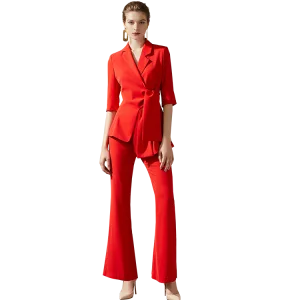

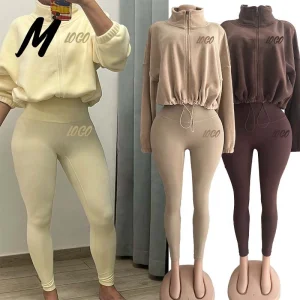
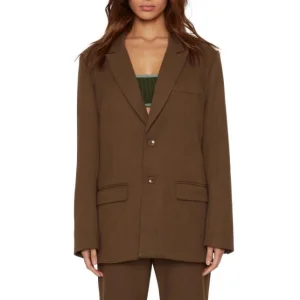
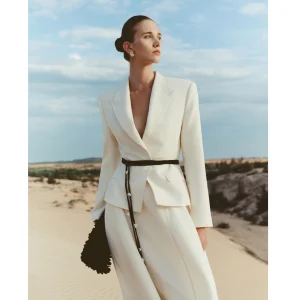
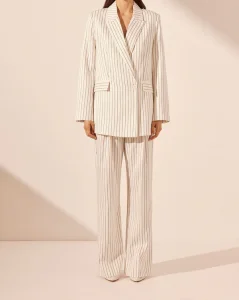
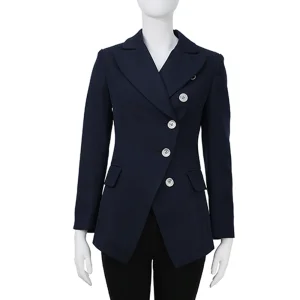
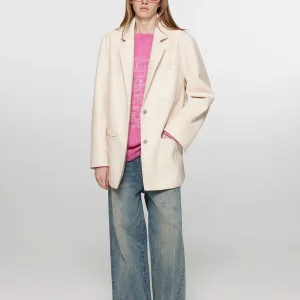
The global market for blazers and structured suits is undergoing a structural paradigm shift. Traditionally confined to rigid corporate dress codes, tailored garments have transitioned into multi-functional, hybrid wardrobe essentials. This transformation is driven by changes in corporate culture, the rise of the smart-casual demographic, and the integration of performance-oriented textile engineering.
Today's enterprises, private label brands, and apparel buyers do not merely buy standard suits. They require versatile, aesthetically resilient blazers that accommodate transition from high-level corporate environments to off-duty social settings. As a leading Blazers & Suits Factory & Exporter, Dongguan Eglin Fashion Co., Ltd. sits at the intersection of this global evolution, engineering modern garments that feature impeccable drape, geometric precision, and micro-engineered comfort features.
"Modern tailoring is no longer about enforcement of uniform standards; it is an expression of structural performance and effortless silhouette control."
For B2B apparel procurers, supply chain directors, and retail category managers, selecting a manufacturing partner requires balancing craftsmanship with industrial capabilities. Key sourcing parameters have evolved beyond the simple cost-per-unit metric:
Dongguan Eglin Fashion Co., Ltd. is not just a traditional apparel manufacturer—it is a modern garment development and production partner built on the integration of aesthetic understanding, technical execution, and rapid response capability.
In an era driven by trends, noise, and overexposure, we choose to return to essentials: silhouette, proportion, and material integrity. We believe meaningful garments do not rely on loud statements, but on precision, restraint, and consistent design logic.
Our operational philosophy can be summarized as: reduce excess, refine structure, and strengthen execution. Instead of layering unnecessary references, we focus on clarity in construction, fabric selection, and finishing details—ensuring every product communicates a coherent visual and tactile language.
Our pattern engineering team utilizes digital 2D and 3D CAD modeling systems to refine pattern-making. This achieves balanced proportions, optimizes ergonomic drape, and ensures consistent fit performance across international sizing curves. Every jacket lapel, waist-drop ratio, and sleeve pitch is modeled to avoid kinetic constriction.
We source fabrics based on weight, drape, density, and brand positioning. From structured heavyweight cotton-wool blends to lightweight summer linens and technical waterproof leather alternatives, our materials are vetted for pilling resistance, tensile strength, and colorfastness under rigorous testing protocols.
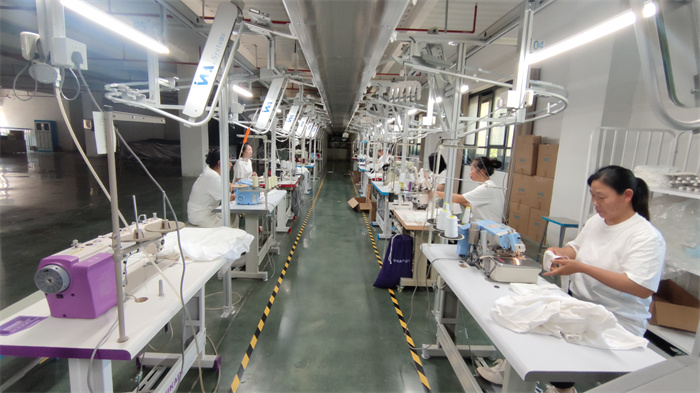
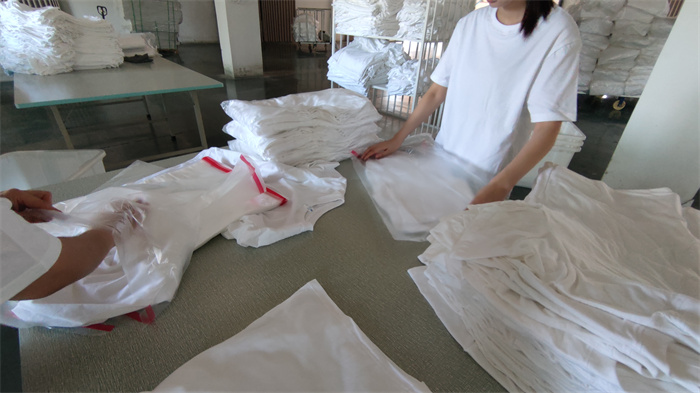
A blazer is defined by its interior components. We use advanced stitching, precise panel lining, fusing, and high-grade trims to reinforce product identity and longevity. Every seam allowance is bound or cleanly finished, and high-stress points are reinforced with bar-tack details to prevent structural fatigue.
Bridging creative direction with scalable manufacturing requires accelerating the prototyping lifecycle. Our Sampling Efficiency System reduces pattern-to-sample lead times, providing brand partners with pre-production samples that accurately represent bulk production quality.
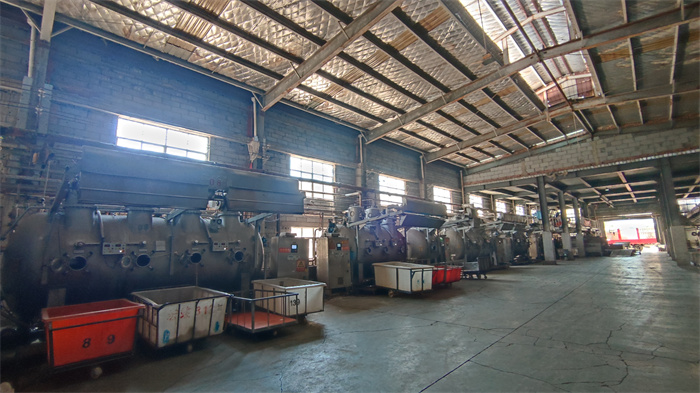
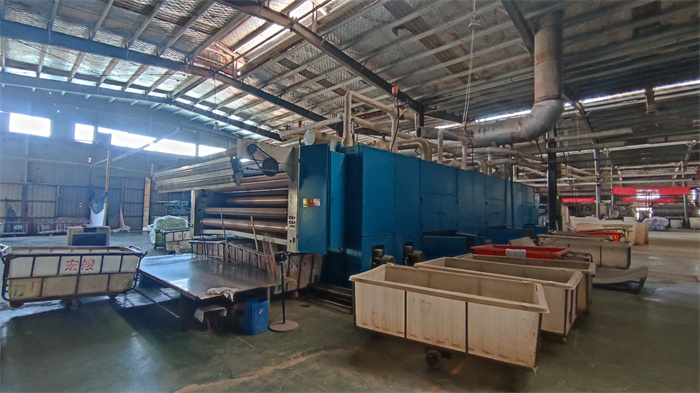
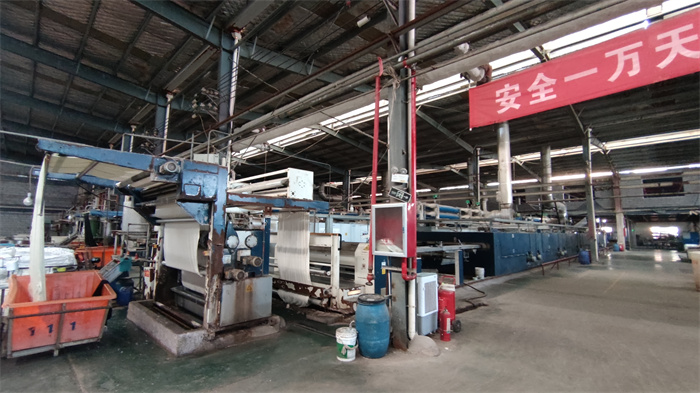
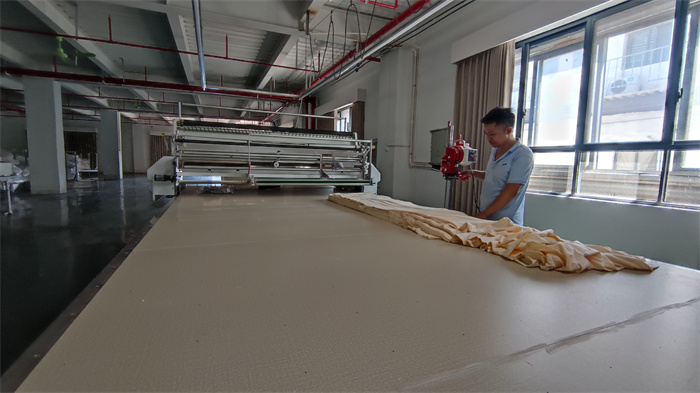
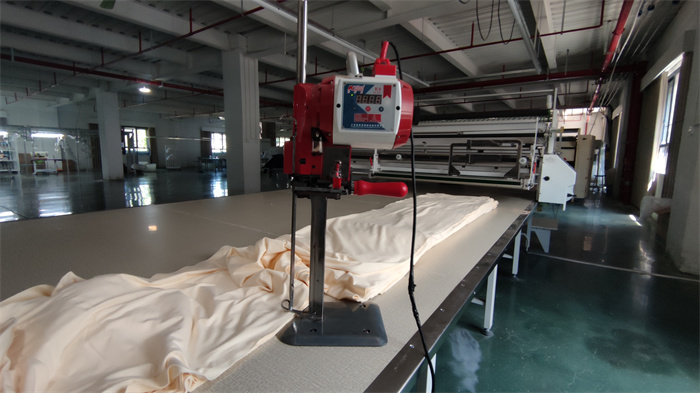
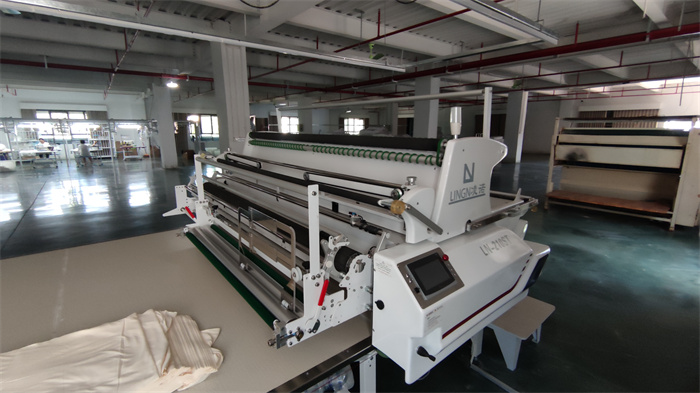
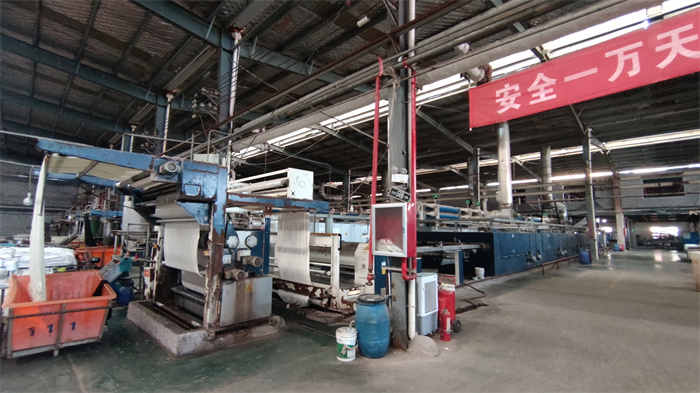
Dongguan's textile ecosystem provides Eglin Fashion with unmatched structural advantages. By integrating digitized manufacturing, rapid fabric sourcing, and automated cutting technology, we ensure complete supply-chain continuity and efficiency.
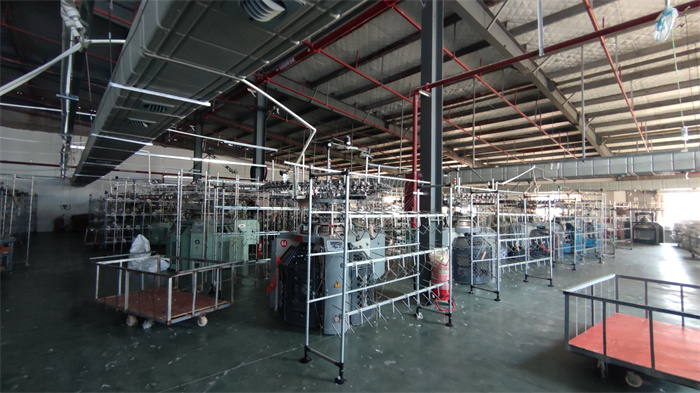
For designers, founders, independent labels, and KOL-driven fashion projects, Eglin Fashion acts as both a technical partner and an execution extension of their creative team. Our collaboration model is designed to optimize resources and reduce time-to-market:
Our commitment remains consistent: We do not simply "produce garments." We help translate ideas into systems that can be reliably repeated, improved, and scaled.
Tailored clothing is shaped by localized environments, occupational habits, and climate conditions. A professional blazer designed for London's banking district requires a different weight, canvas structure, and pocket architecture than a smart-casual blazer tailored for a Silicon Valley tech hub or an events host in Tokyo. Our design matrix balances these localized requirements:
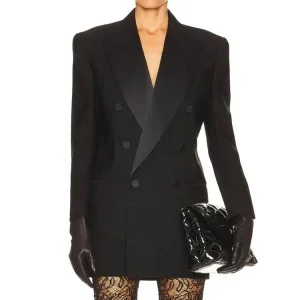
These markets demand structured wool blends, double-breasted closures, and classic fits with deep notches and robust internal chest structures. Color schemes favor timeless neutrals, including charcoal, navy, and deep brown. The focus centers on structural longevity, thermal comfort, and classic corporate aesthetic representation.
Modern smart-casual wardrobes demand relaxed drop-shoulder styles, unlined constructions, and synthetic-natural blend fabrics (such as rayon-cotton) that resist wrinkling during commutes. The demand for oversized shapes, minimalist detailing, and utility pockets reflects a shift toward fluid dress codes.
Hotter climates in regions like East Asia or Southern Europe require half-lined or unlined blazers with internal piping, using lightweight fabrics with open-weave structures. These styles emphasize breathability, natural stretch, and moisture-wicking capabilities.
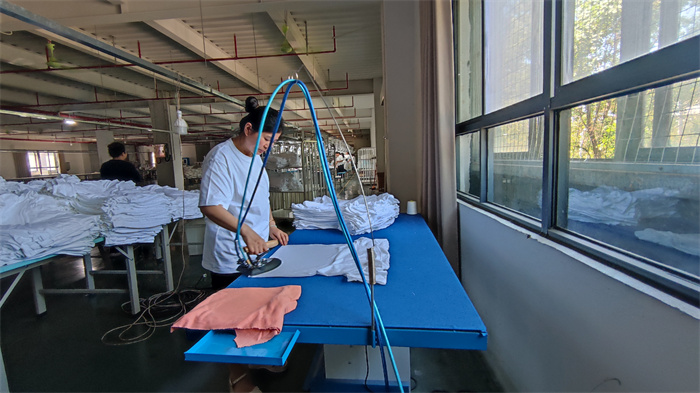
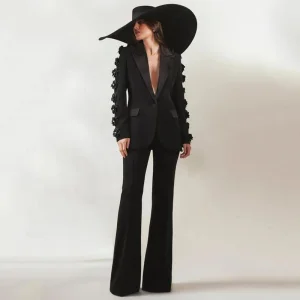
Specialized bridal, formal host, and red-carpet apparel demand structured fits, asymmetric lapels, contrasting silk trims, or hand-applied decorations. Quality control focuses on absolute fabric uniformity, clean panel alignment, and crisp pressing profiles.
Get professional answers to key technical questions about fabric sourcing, manufacturing parameters, OEM workflows, and international logistics.
Our standard Minimum Order Quantity (MOQ) typically ranges from 100 to 300 pieces per style/colorway, depending on the complexity of the pattern and fabric requirements. For verified emerging designer labels, we offer flexible starter MOQs supported by our quick-response raw material inventory program.
We use CAD pattern modeling to trace custom measurements and set accurate grainline parameters. During assembly, sewing machines utilize fabric guide feeders to keep seams aligned. Our QC team checks sleeves against standard molds on mannequin forms before pressing to prevent twisting.
Yes, we provide end-to-end OEM and ODM services. This includes pattern conversion, fabric sourcing, customized brand labels, metal snaps, horn buttons, woven labels, and retail packaging. All components are detailed in a product Tech Pack before bulk production begins.
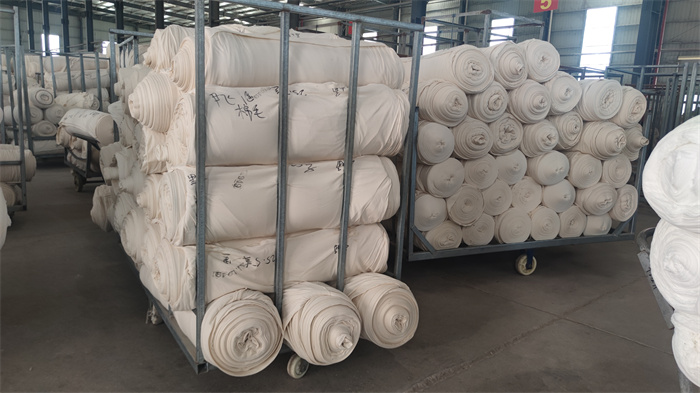
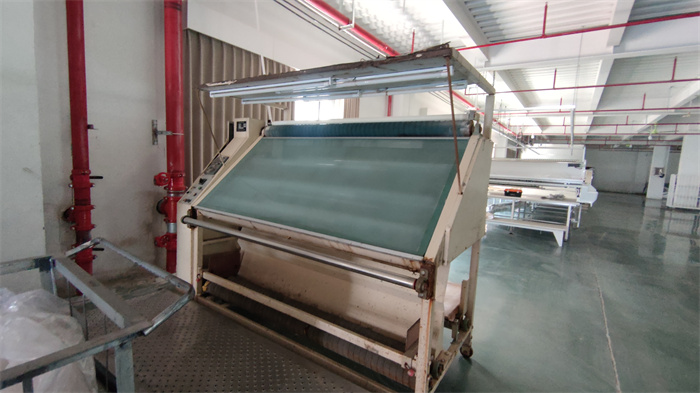
All incoming fabric rolls go through inspection machines to check for color variation, weaving errors, and structural holes. We run wash tests on every batch to calculate fabric shrinkage, adjusting our pattern scaling dynamically before cutting to maintain size accuracy.
Initial prototyping takes 7 to 10 days, depending on fabric availability. Bulk manufacturing runs require 30 to 45 days after pre-production sample sign-off. Shipping times vary by destination, with quick air freight options or cost-effective sea routes handled by our logistics team.
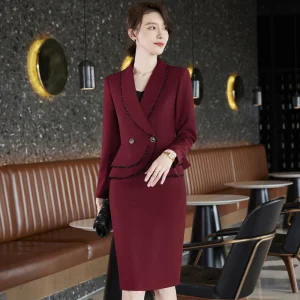
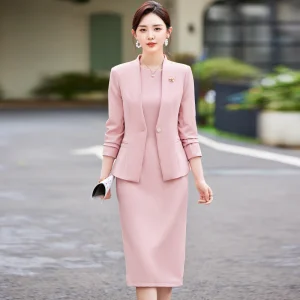
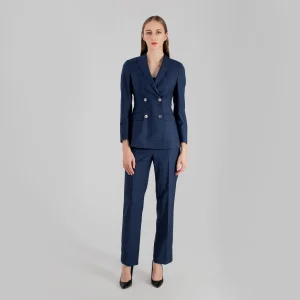
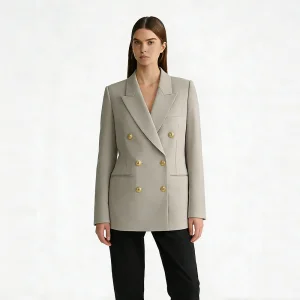
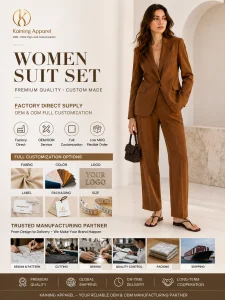
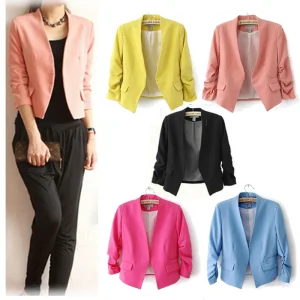
Explore our complete design portfolio. These styles feature structured shapes and detailed finishes built to meet global retail standards.
 Eglin Fashion