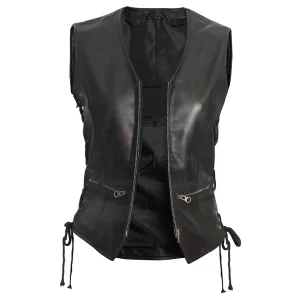
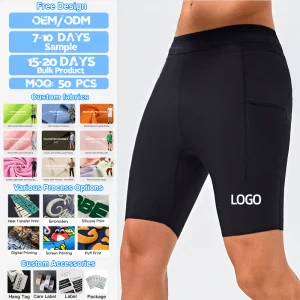
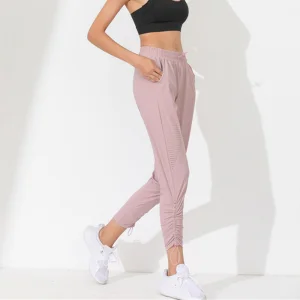
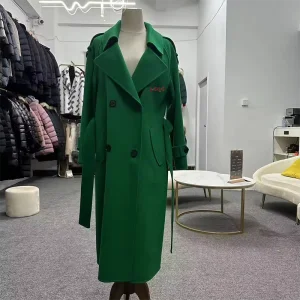
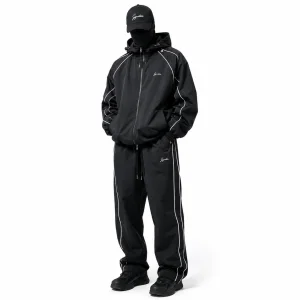
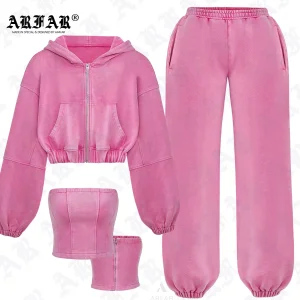
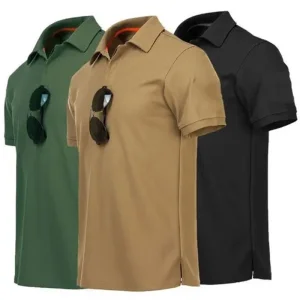
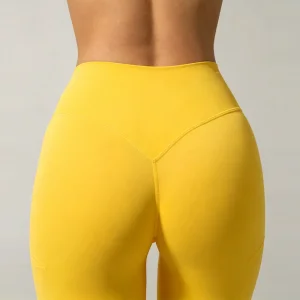
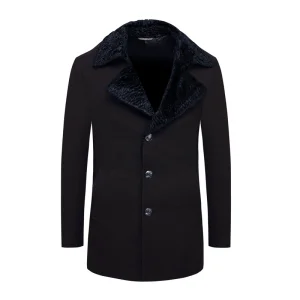
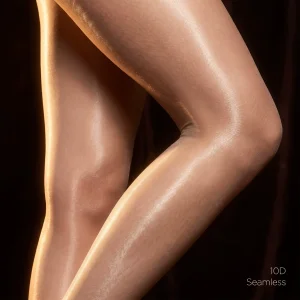
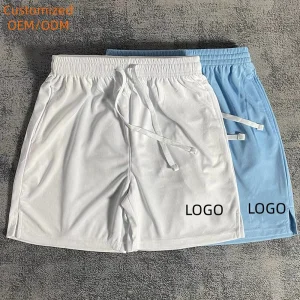
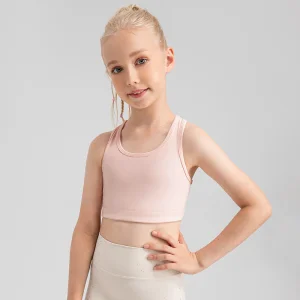
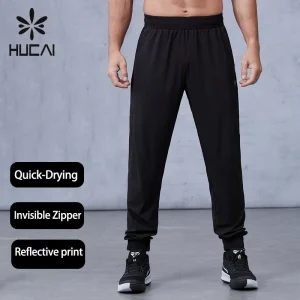
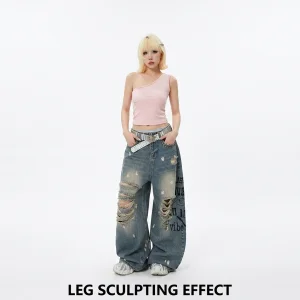
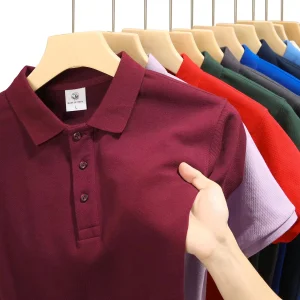
Curated showcase of high-demand sportswear, leather apparel, and technical textiles manufactured under international quality control standards.
Analyzing shifting trade patterns, consumer ergonomics, material innovation, and contract manufacturing dynamics across global footwear hubs.
The global footwear landscape is undergoing a structural transition. Modern consumers no longer view footwear through a singular lens of basic utility or fast fashion. Instead, the convergence of ergonomic podiatry research, bio-based material engineering, and cross-category brand positioning has transformed sandals from simple warm-weather items into sophisticated, technical footwear categories. Global brands, e-commerce conglomerates, and private label retailers require production partners capable of managing high-mix, low-volume flexibility while ensuring rigorous physical and chemical compliance standards.
Navigating the international supplier base requires an objective evaluation of manufacturing clusters. From precision mold production and micro-cellular EVA injection in Dongguan, China, to luxury vegetable-tanned leathercraft in Tuscany, Italy, selecting the ideal sandals factory dictates a brand's gross margins, lead time stability, and total customer experience. This whitepaper establishes an analytical framework for procurement directors, product developers, and brand executives seeking top-tier footwear manufacturing partners.
A comparative analysis of key global footwear manufacturing hubs based on technical expertise, material availability, labor proficiency, and operational compliance.
Primary Expertise: Advanced Technical Sandals, Ergonomic Recovery Slides, Leather Hybrid Footwear, Rapid ODM Sampling.
Key Competitive Advantage: Comprehensive supply chain density. Material sourcing, mold CAD/CAM tooling, last making, outsoles, and upper stitching located within a 30-minute radius. Turnaround cycles under 14 days.
Primary Expertise: High-End Luxury Leather Sandals, Artisan Craftsmanship, Runway & Designer Lines.
Key Competitive Advantage: Heritage vegetable-tanned leathers, anatomical wooden last carving, unexcelled aesthetic refinement. High unit cost with premium brand positioning.
Primary Expertise: High-Volume Athletic Sandals, Outdoor Utility Footwear, Vulcanized Rubber Soles.
Key Competitive Advantage: Large-scale athletic factory infrastructure optimized for high-volume orders exceeding 50,000 pairs per SKU under favorable tariff frameworks.
Primary Expertise: Inject-Molded PVC/EVA Slides, Eco-Conscious Synthetic Sandals.
Key Competitive Advantage: World leader in direct-injection monoblock footwear technologies. Excellent raw polymeric material formulation and bio-based plastics integration.
Primary Expertise: Hand-Stitched Leather Sandals, Traditional Craftsmanship, Budget Leatherwear.
Key Competitive Advantage: Abundant domestic bovine and goat leather supply with competitive manual labor costs, ideal for mid-market leather sandals.
Primary Expertise: Western-Style Leather Sandals, Nearshore North American Manufacturing.
Key Competitive Advantage: Strategic geographic proximity to US markets (USMCA duty-free privileges), enabling 5-day overland freight to major logistics hubs.
Primary Expertise: Espadrilles, Cork-Bed Bio Sandals, Fashion-Forward Summer Footwear.
Key Competitive Advantage: World-class natural cork molding techniques and braided jute midsole integration, combining artisanal traditions with European compliance.
Primary Expertise: Genuine Leather Comfort Sandals, Euro-Market Fast-Fashion Footwear.
Key Competitive Advantage: Fast truck shipping to European retail centers, high flexibility for mid-volume boutique runs, robust domestic tanneries.
Primary Expertise: Modern Premium Comfort Sandals, Ergonomic Footbed Manufacturing.
Key Competitive Advantage: State-of-the-art automated cutting and finishing technology paired with strict European labor and environmental compliance standards.
Primary Expertise: Vulcanized Rubber Sandals, Casual Beach Slides, Outdoor Strapped Sandals.
Key Competitive Advantage: Direct access to premium natural rubber reserves, establishing exceptional outsole grip dynamics and cost-effective bulk production.
When selecting a manufacturing partner, strategic decision-makers must evaluate suppliers across technical capability, minimum order requirements, and compliance readiness.
| Manufacturing Region | Core Specialization | Avg. Prototype Cycle | Typical MOQ (Pairs) | E-E-A-T Compliance Index |
|---|---|---|---|---|
| Dongguan (China Hub) | Tech EVA, Leather Apparel/Footwear, Smart ODM | 3 - 7 Days | 300 - 1,000 | Very High (ISO / SATRA) |
| Italy (Tuscany) | Luxury Craftsmanship, Fine Tannery | 14 - 21 Days | 100 - 300 | High (Artisanal / EU Standards) |
| Vietnam (Binh Duong) | Mass Athletic, High-Volume Performance | 14 - 30 Days | 3,000 - 10,000 | High (Corporate Audited) |
| Brazil (Novo Hamburgo) | Monoblock Injection EVA/PVC | 10 - 18 Days | 2,000 - 5,000 | Moderate to High |
| Spain (Alicante) | Anatomical Cork & Bio-Jute Footbeds | 10 - 15 Days | 500 - 1,500 | High (EU REACH Compliant) |
Deconstructing the operational system, pattern engineering, and integrated production facilities driving global apparel and footwear manufacturing.
Dongguan Eglin Fashion Co., Ltd.
Company Introduction
Dongguan Eglin Fashion Co., Ltd. is not just a traditional apparel manufacturer—it is a modern garment development and production partner built on the integration of aesthetic understanding, technical execution, and rapid response capability.
In an era driven by trends, noise, and overexposure, we choose to return to essentials: silhouette, proportion, and material integrity. We believe meaningful garments do not rely on loud statements, but on precision, restraint, and consistent design logic.
At Eglin Fashion, our philosophy can be summarized as: reduce excess, refine structure, and strengthen execution.
Instead of layering unnecessary references, we focus on clarity in construction, fabric selection, and finishing details—ensuring every product communicates a coherent visual and tactile language.
Dongguan Eglin Fashion Co., Ltd. operates as more than a production facility. We function as a development system that bridges creative direction with scalable manufacturing.
We understand the operational rhythm of contemporary streetwear and emerging brands, and translate that into structured production logic:
For designers, founders, independent labels, and KOL-driven fashion projects, we act as both a technical partner and an execution extension of their creative team.
Our collaboration typically includes:
We do not simply “produce garments.” We help translate ideas into systems that can be reliably repeated, improved, and scaled.
At Eglin Fashion, we are not driven by short-term hype or seasonal spikes.
We are driven by consistency, clarity, and buildable identity.
We produce clothing—but more importantly, we help brands turn intention into structured reality.
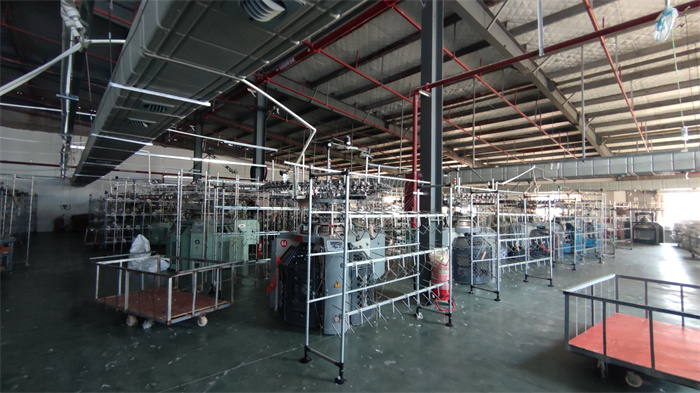
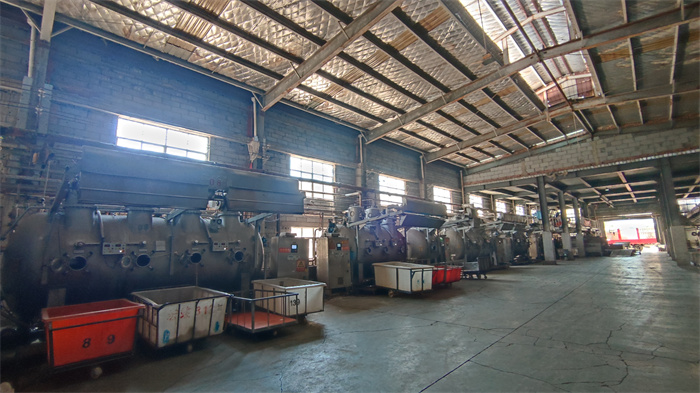
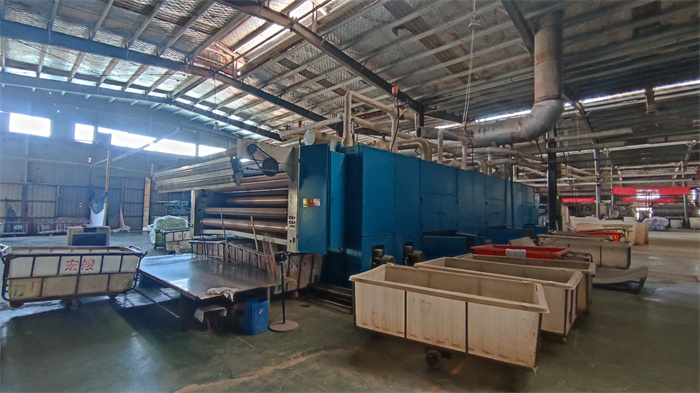
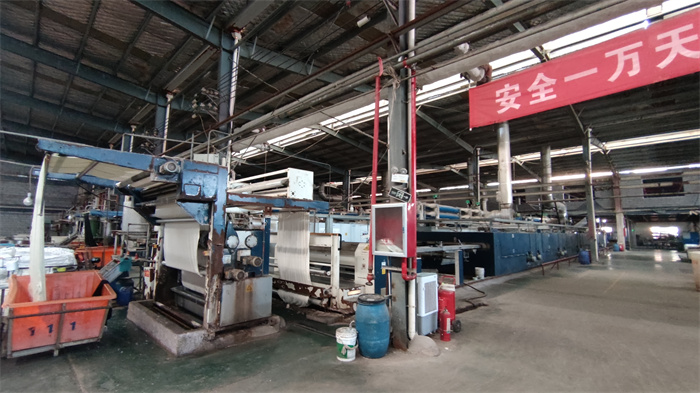
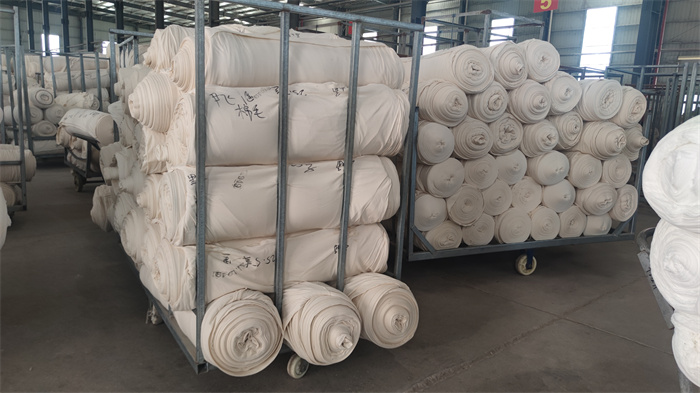
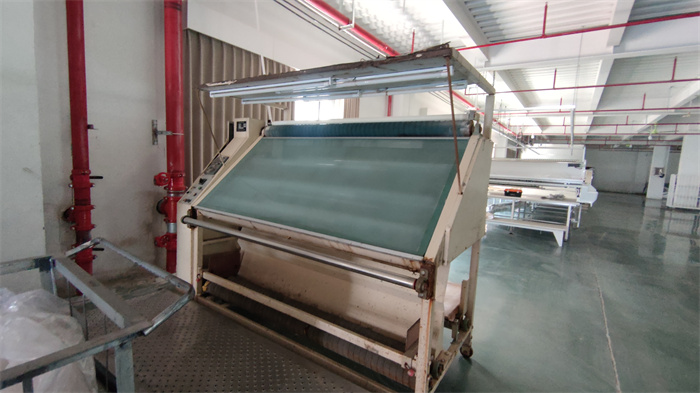
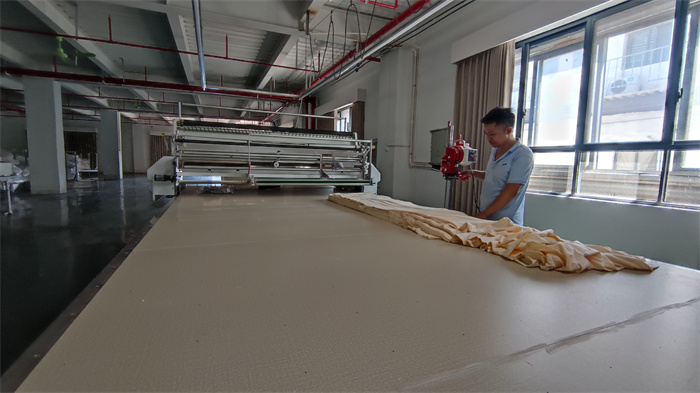
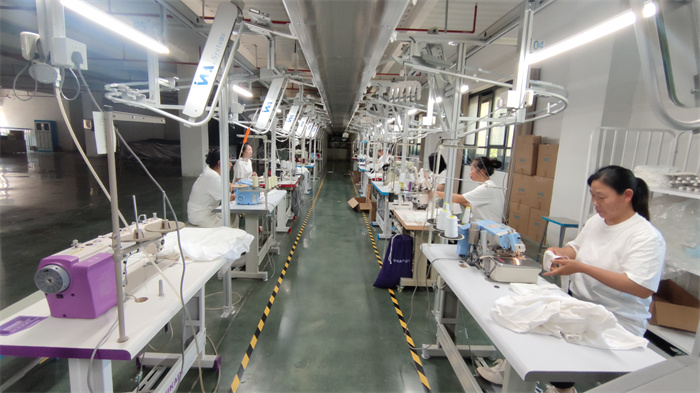
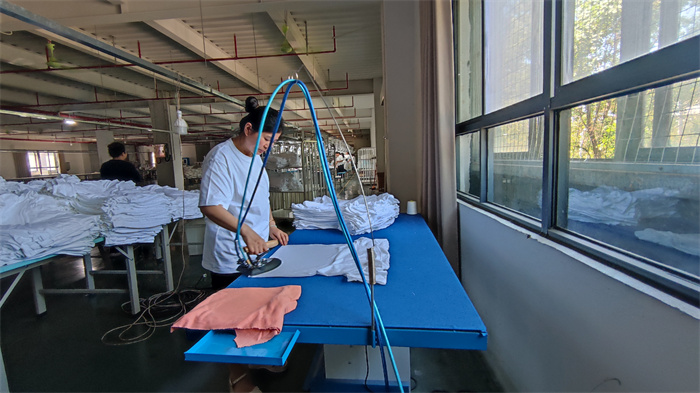
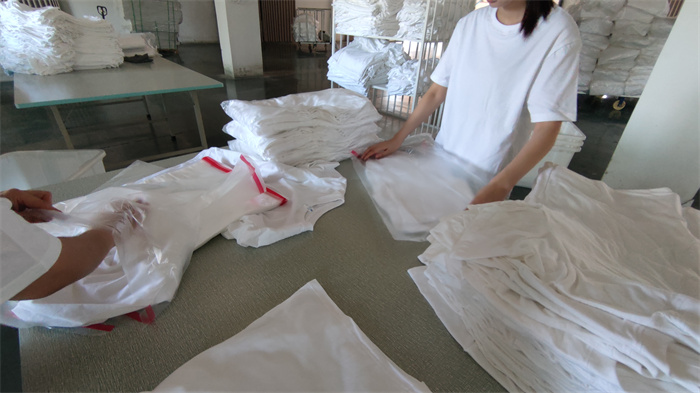
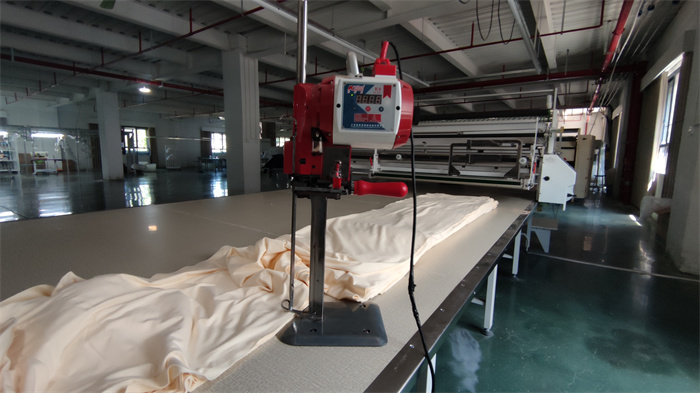
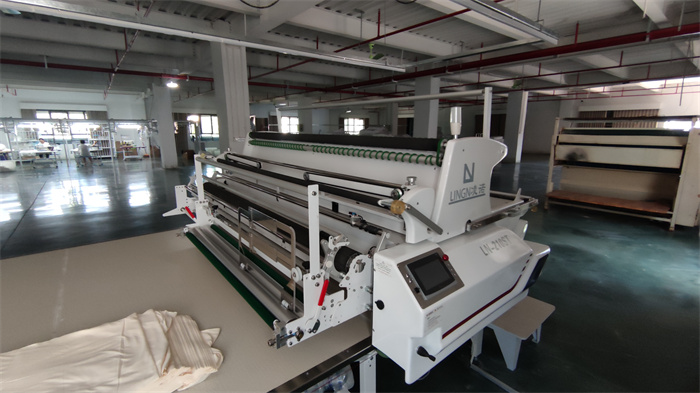
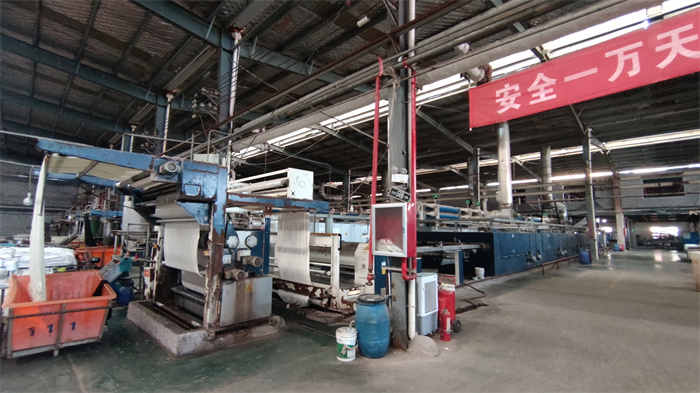
Below is the visual step-by-step documentation of our advanced textile processing line, garment construction workflow, and specialized machinery units:
Emerging manufacturing technologies, bio-polymer breakthroughs, 3D lattice cushioning, and AI-driven supply chain automation.
Additive manufacturing via Selective Laser Sintering (SLS) enables factories to produce zoned-density footbeds tuned to individual plantar pressure maps. Eliminates mold tooling setup costs for micro-customized ergonomic footwear.
Replacing traditional chemical blowing agents with nitrogen-gas supercritical foaming results in ultra-lightweight midsoles with over 75% energy return. Reduces chemical off-gassing and VOC emissions during manufacturing.
Transitioning from fossil-fuel Polyurethane (PU) to algae-infused EVA, sugarcane-derived ethanol elastomers, and post-consumer ocean plastic straps without sacrificing tensile strength or flex-crack resistance.
Over the next 3 to 5 years, leading sandals suppliers will integrate AI-assisted pattern nesting and robotic automated lasting lines. Computer-vision systems will scan natural leathers for surface defects, automatically plotting cutting dies to minimize material yield loss by up to 14%. Furthermore, digital twin sampling will allow footwear designers to simulate leather flex, strap shear stress, and footbed compression prior to cutting physical material.
Mapping specialized functional needs to specialized factory capabilities across medical, outdoor, urban lifestyle, and luxury market segments.
Focuses on arch support, deep heel cups, and metatarsal pads. Requires factories experienced in duel-density EVA moulding and orthopedic footbed lasting.
Requires hydrophobic webbing, anti-slip sticky rubber outsoles, and reinforced toe-guards. Factory capability requires specialized cold-bonding cement and tensile testing.
Clean minimalist aesthetics using GOTS-certified organic cotton straps, recycled cork, and water-based non-toxic adhesives. Mandates strict REACH compliance.
Emphasizes full-grain aniline leathers, custom sculpted metal hardware, edge painting, and hand-stitched welt construction with refined Italian or Dongguan lasts.
Protecting brand equity through rigorous lab testing, social responsibility compliance, and international shipping protocols.
Top-tier factories maintain internal testing labs certified under SATRA standards. Key quality checks include flex-fatigue testing (200,000 cycles without cracking), strap pull-off force testing (>25kgf), and outsole abrasion resistance (DIN abrasion index).
Global distribution mandates strict chemical safety. Export-ready factories guarantee zero phthalates, heavy metals, or azo dyes, adhering fully to European REACH SVHC standards, US California Proposition 65, and CPSIA guidelines.
Brand reputational protection requires verified labor standards. Qualified footwear suppliers undergo annual third-party audits for SMETA (SEDEX 2-Pillar / 4-Pillar), BSCI (Business Social Compliance Initiative), and ISO 9001 quality management.
To streamline North American and European delivery, leading OEM/ODM suppliers offer Delivered Duty Paid (DDP) logistics. By optimizing Harmonized System (HS Code 6403 for leather sandals / 6402 for synthetic EVA slides) classification and leveraging regional trade agreements, brands minimize border clearance friction and duty exposure.
Complete product range featuring customizable athleticwear, high-end outer coats, and technical performance activewear.
Technical answers to common procurement questions regarding minimum orders, mold tooling fees, material testing, and rapid sampling protocols.
 Eglin Fashion