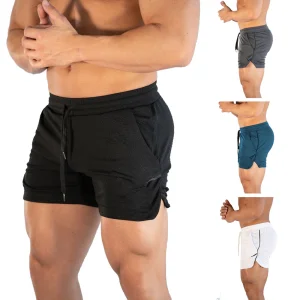
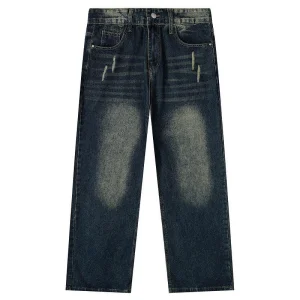
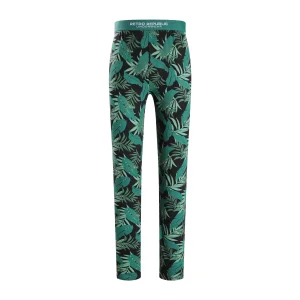
Explore high-performance technical apparel engineered with structural integrity, advanced textiles, and premium raw materials.
The contemporary activewear landscape is undergoing a profound paradigm shift. Modern apparel sourcing has migrated away from simple transactional cost cutting. Today's global brands, dynamic streetwear startups, and athletic labels demand a sophisticated mix of rapid-response agile manufacturing, cutting-edge fabric science, and strict environmental compliance.
Consumer segments are no longer compartmentalized. The lines separating technical performance gear, high-fashion sportswear, and everyday leisure clothing (athleisure) have dissolved. This evolution dictates that a premier activewear factory must possess the capability to process advanced materials like GRS (Global Recycled Standard) certified polyester, bio-based PLA (Polylactic Acid) fabrics, and highly elastic spandex blends, all while offering impeccable structural aesthetics.
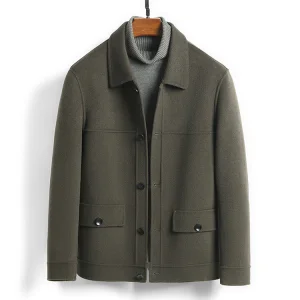
In terms of production hubs, while nations across Southeast Asia handle high-volume, low-complexity basics, China’s industrial apparel clusters remain unmatched for complex garments. Key clusters like Guangdong combine access to localized supply chains with technical expertise, producing premium, highly specialized lifestyle items such as double-faced wool coats, high-density fleece joggers, and smart heating therapy apparel.
Dongguan, located in China's Pearl River Delta, has evolved from a standard assembly hub into a highly integrated garment development system. The geographical concentration of yarn mills, dyeing plants, functional fabric laboratories, and advanced logistics channels allows brands to compress lead times down to fractions of typical industry standards.
This localized synergy addresses the most significant hurdle in global fashion sourcing: supply chain fragmentation. By positioning production inside an ecosystem where raw components are sourced and processed within a 50-kilometer radius, factories minimize risk, reduce freight emissions, and optimize material cost structures.
This structural foundation enables factories to easily pivot between small-batch customized runs for indie labels and high-volume mass production for international retail brands. The resulting agility has transformed how designers execute seasonal collections, turning volatile trends into structural opportunities.
Partnering with designers, independent labels, and KOL-driven projects to translate aesthetic intention into structural reality.
Dongguan Eglin Fashion Co., Ltd. is not just a traditional apparel manufacturer—it is a modern garment development and production partner built on the integration of aesthetic understanding, technical execution, and rapid response capability.
In an era driven by trends, noise, and overexposure, Eglin Fashion chooses to return to essentials: silhouette, proportion, and material integrity. The brand philosophy is clear and uncompromising: reduce excess, refine structure, and strengthen execution. Instead of layering unnecessary references, the focus remains on clarity in construction, fabric selection, and finishing details—ensuring every product communicates a coherent visual and tactile language.
Refining pattern-making and cutting to achieve balanced proportions and consistent fit performance across diverse sizing metrics.
Selecting materials scientifically based on weight (GSM), drape, physical texture, and precise brand market positioning.
Deploying specialized stitching, precise paneling, tailored washing, and premium trims to reinforce product identity and durability.
Accelerating the pipeline from initial conceptual sketch to physical sample and bulk run without compromising final output consistency.
Eglin Fashion functions as a development system that bridges creative direction with scalable manufacturing. For designers, founders, independent labels, and KOL-driven fashion projects, they act as both a technical partner and an execution extension of their creative team.
Their structured collaborative framework addresses core manufacturing variables:
Ultimately, Eglin Fashion does not simply "produce garments." They help brands translate abstract intentions into structured, repeatable, and scalable physical realities.
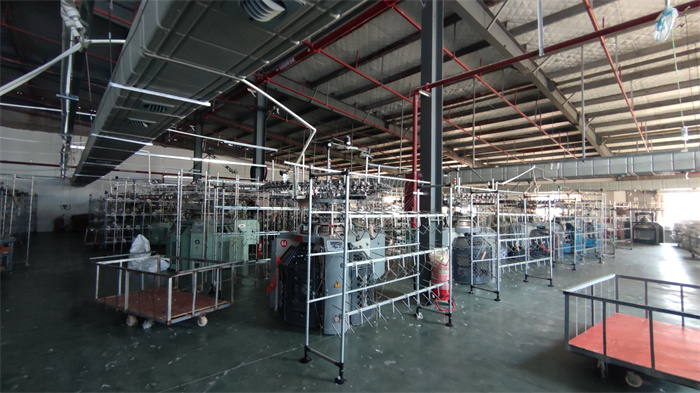
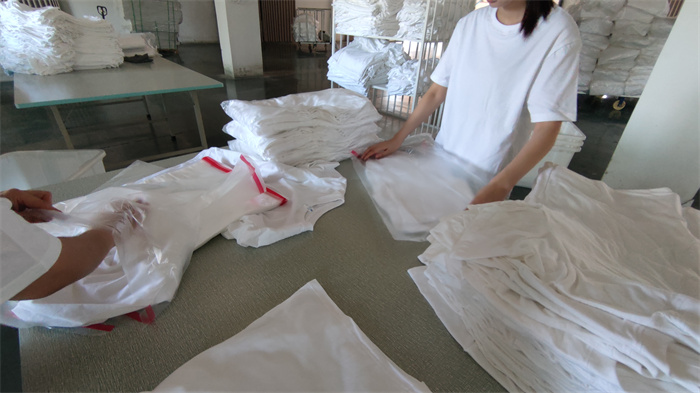
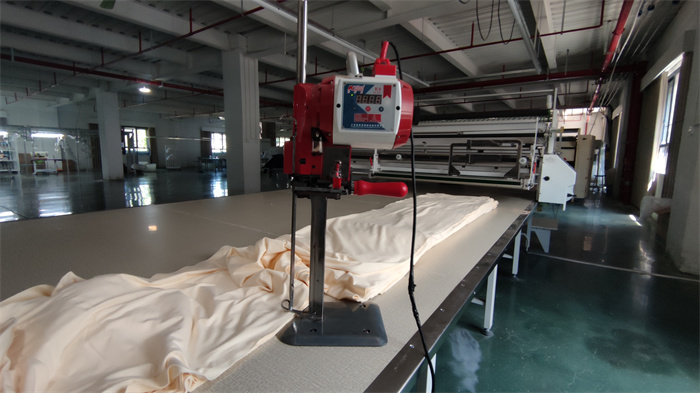
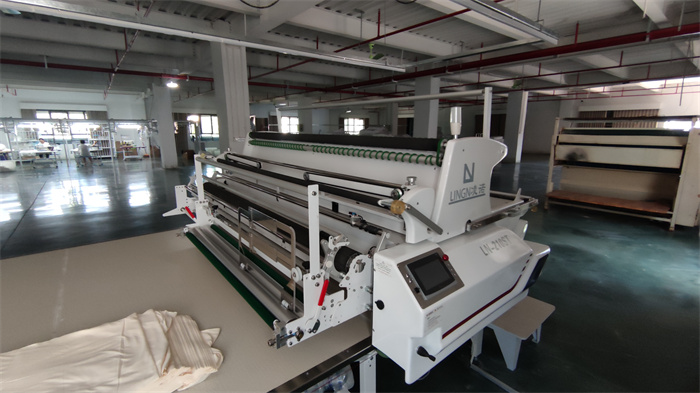
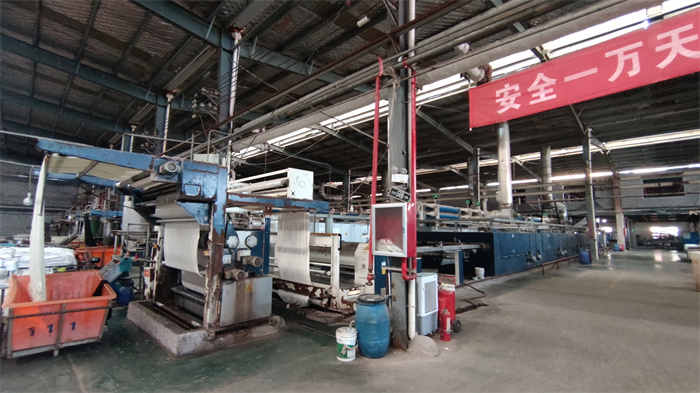
An inside look at our synchronized vertical production system. Every step is monitored to maintain premium standards.
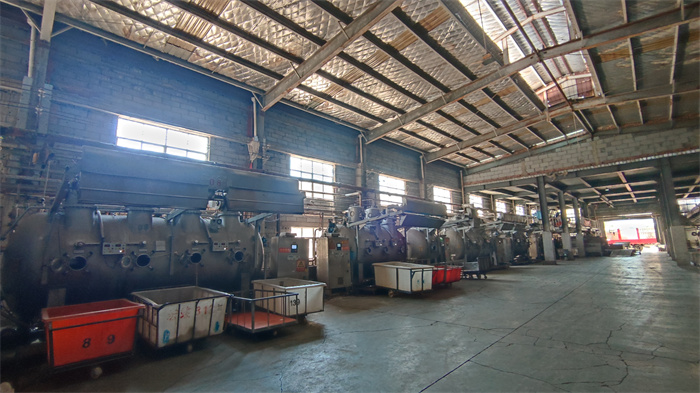
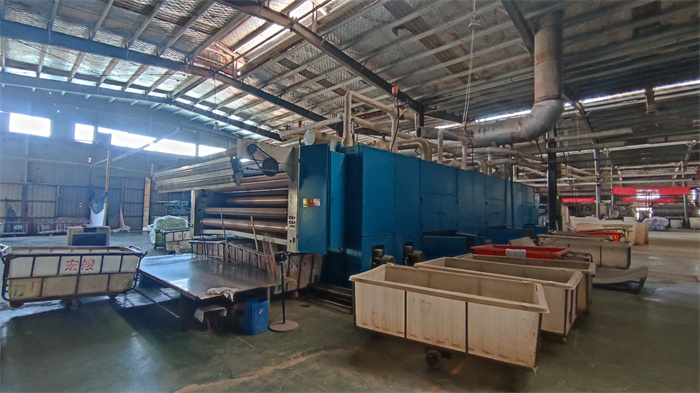
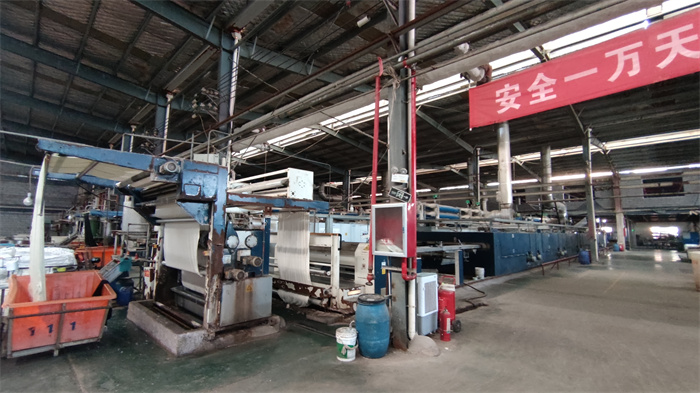
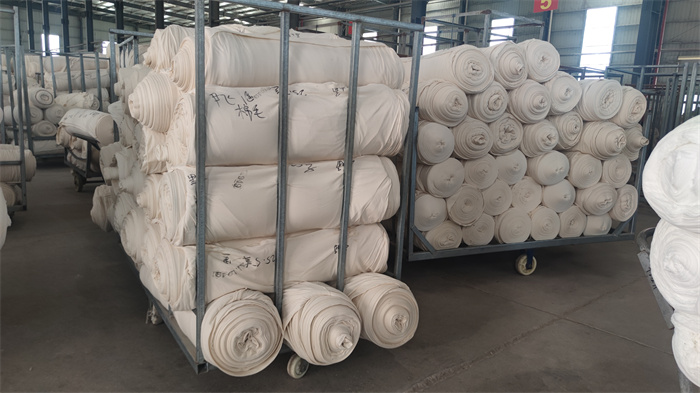
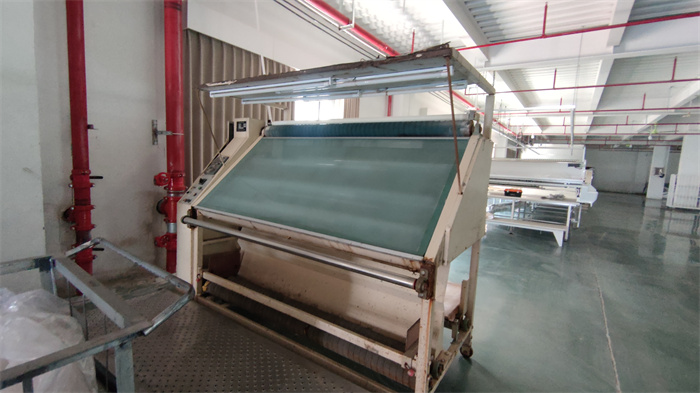
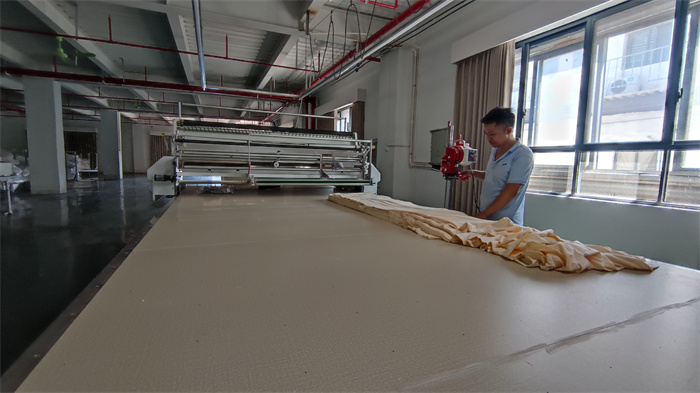
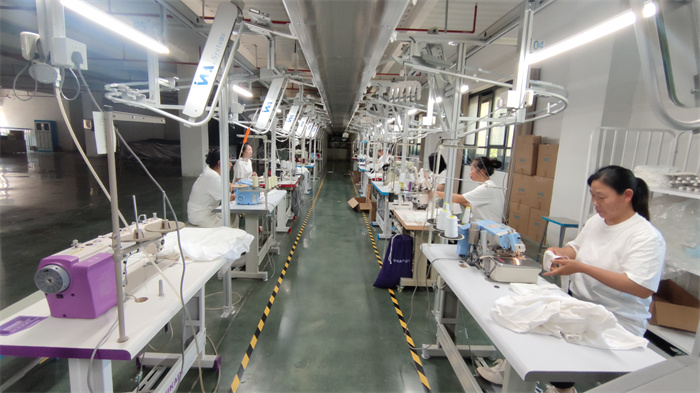
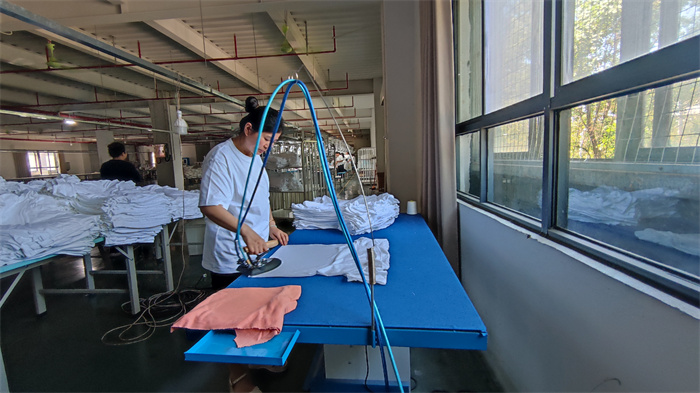
Purchasing profiles differ significantly depending on geographical markets and target audiences. By matching product attributes to precise consumer intent, modern activewear suppliers deliver solutions tailored to distinct B2B scenarios:
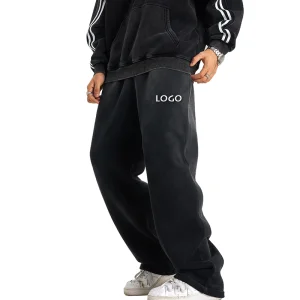
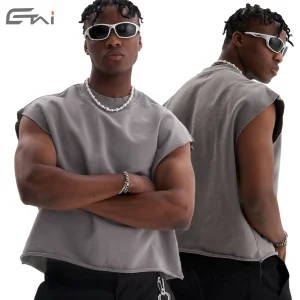
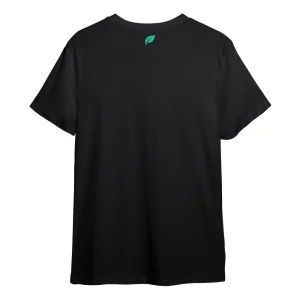
Brands in major cosmopolitan centers (such as New York, London, and Tokyo) prioritize drop-shoulder silhouettes, heavy GSM French terry fabrics, and durable raw edges. These products require precise garment dye washes and high-density embroidery. Products like the Heavyweight 340 Gsm Boxy Fit Sleeveless T-Shirt and Loose Sport Customized Oversized Joggers meet these exact specifications.
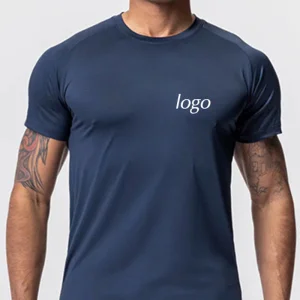
Performance sportswear targeting runners, gym-goers, and outdoor athletes requires specialized fabric structures. Moisture-wicking technology, four-way stretch, and ergonomic flatlock stitching are essential. The Spandex Polyester Quick Dry Running Fit T-Shirt is designed specifically for these conditions, offering optimal ventilation and comfort during intense physical training.
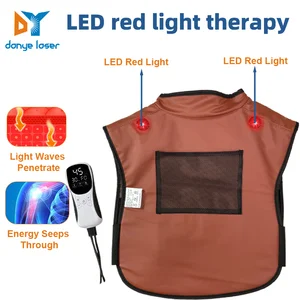
An emerging frontier in technical apparel is therapeutic activewear. Products like the Vibration Heating LED Red Light Vest for Back Therapy bridge the gap between traditional athletic wear and physiotherapy, utilizing integrated technology to assist with muscle recovery and pain relief. This development represents a key high-margin segment for innovative health and wellness brands.
To maintain a competitive edge, global brands must align with key structural shifts in manufacturing and materials science over the next decade:
Critical sourcing guidelines and answers for procurement managers, designers, and supply chain coordinators.
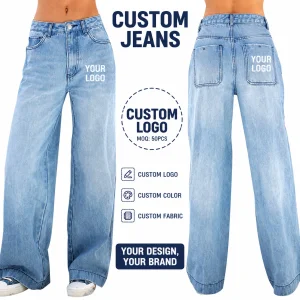
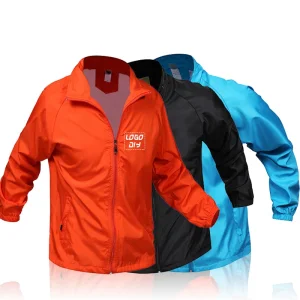
Browse custom denim, tailoring, outdoor outerwear, and athletic basics engineered for high-growth consumer segments.
 Eglin Fashion