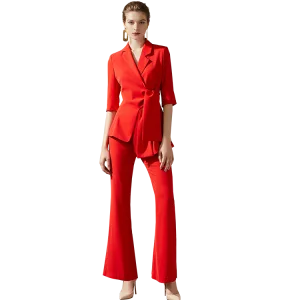
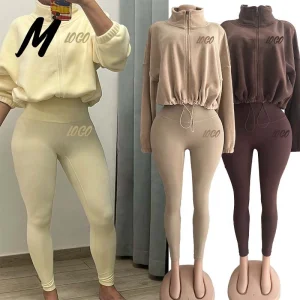
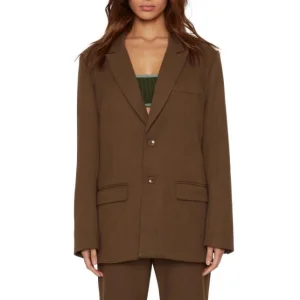
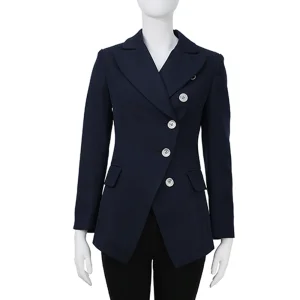
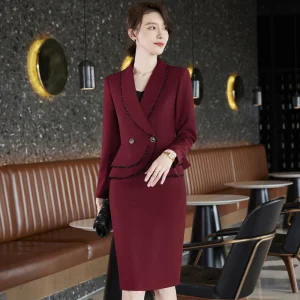
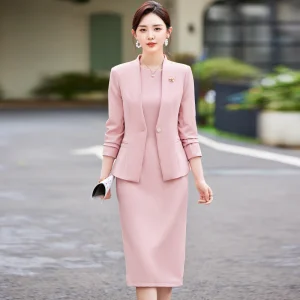
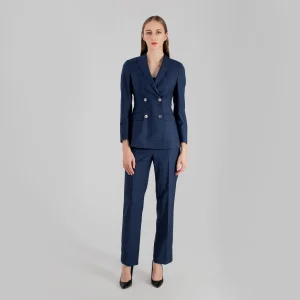
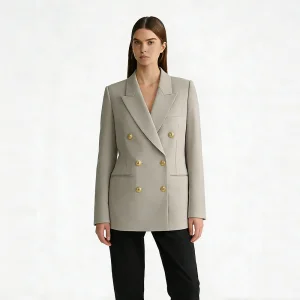
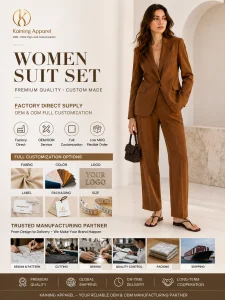
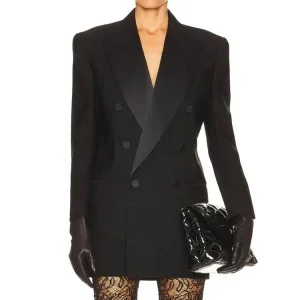
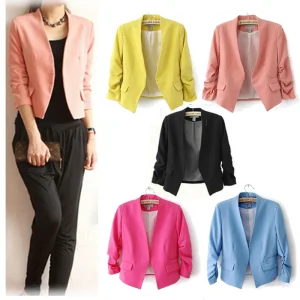
Curated showcase of high-end structured garments and versatile luxury essentials engineered for cross-continental markets.
Turkey stands as one of the world's most vital textile corridors, bridging the structural precision of European sartorial requirements with vertical raw material cultivation. As the third largest clothing supplier to the European Union, the Turkish garment sector operates not just as a hub for mass manufacture, but as a centre for complex product development. From luxury double-breasted blazers to fine mercerized cotton polo shirts, the country’s industrial base utilizes historical expertise in fabric weaving, coupled with state-of-the-art automated cutting and assembly systems.
For international buyers and contemporary brands, sourcing from Turkey provides specific operational advantages: zero-duty custom status under the EU-Turkey Customs Union agreement, drastically compressed transit times (typically 3 to 7 days overland to Western Europe), and an abundant local supply of Aegean cotton—widely recognized for its long staples, natural luster, and high tensile strength.
This macro-economic configuration allows global brands to bypass the volatile transit lines of Southeast Asia while maintaining rigorous standards of quality. The convergence of high-quality yarns, geographic positioning, and specialized workforce enables rapid turnaround times required for both capsule drops and large-scale seasonal releases.
Modern fashion infrastructure does not categorize products in isolation. The integration of high-quality knitwear (specifically custom polo shirts) with structured formalwear (blazers and trousers) represents the modern "smart casual" corporate uniform segment. Industry-leading exporters in Turkey capitalize on this synergy by offering unified production programs. A single sourcing cycle can yields perfectly color-matched fine-knit pique polos and soft-shouldered wool blazers designed to be styled together.
This cross-category expertise is particularly beneficial for corporate merchandise programs, premium hospitality uniforms, and contemporary designer labels that require rigorous quality control across both knitted and woven textiles. By aligning the technical parameters of knits and wovens under unified dye batches and finishing standards, Turkey's manufacturers offer a seamless procurement channel.
In response to the global demand for sustainable and transparent supply chains, Turkish factories are rapidly transforming through Industry 4.0 integration. The deployment of computerized CAD systems for structural optimization, paired with automated laser cutters, has reduced fabric waste by up to 15% across major production lines. Advanced dye houses in Bursa and Denizli utilize closed-loop water filtration systems that recycle up to 80% of process water, ensuring compliance with strict global environmental mandates including Zero Discharge of Hazardous Chemicals (ZDHC) and OEKO-TEX® standards.
A global garment manufacturing and development system built on aesthetic precision and structural excellence.
Dongguan Eglin Fashion Co., Ltd. is not just a traditional apparel manufacturer—it is a modern garment development and production partner built on the integration of aesthetic understanding, technical execution, and rapid response capability.
In an era driven by trends, noise, and overexposure, we choose to return to essentials: silhouette, proportion, and material integrity. We believe meaningful garments do not rely on loud statements, but on precision, restraint, and consistent design logic. At Eglin Fashion, our philosophy can be summarized as: reduce excess, refine structure, and strengthen execution. Instead of layering unnecessary references, we focus on clarity in construction, fabric selection, and finishing details—ensuring every product communicates a coherent visual and tactile language.
Refining pattern-making to achieve balanced proportions and consistent fit performance across diverse body profiles.
Selecting materials based on weight, drape, tactile texture, colorfastness, and specific brand positioning goals.
Using reinforced stitching, custom paneling, tailored washes, and hardware to solidify identity and product longevity.
Accelerating the path from high-fidelity 2D/3D concept models to real physical samples and bulk production runs.
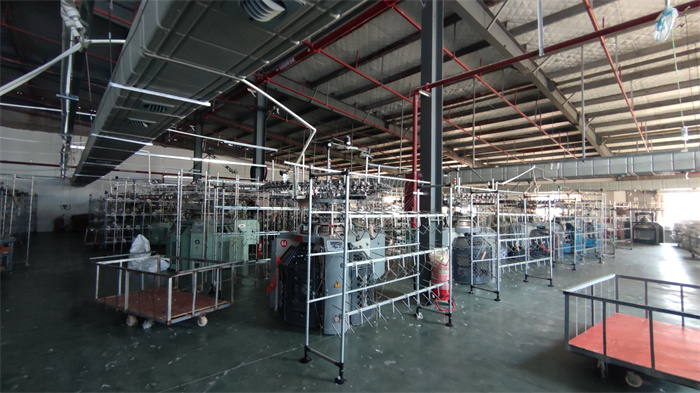
Weaving
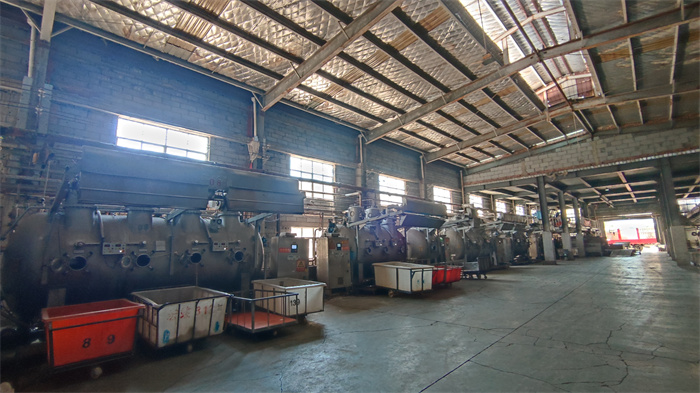
Dyed Cloth
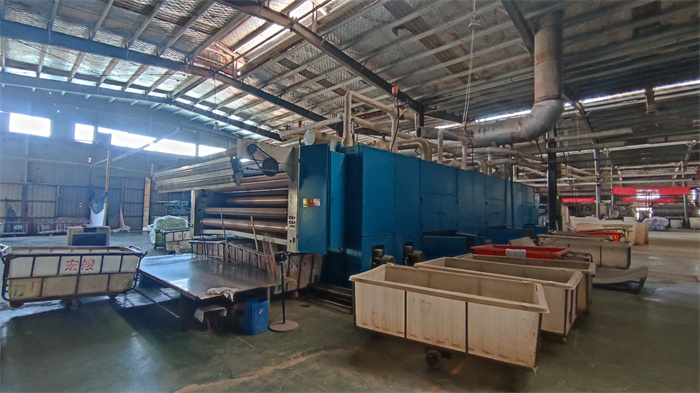
Drying
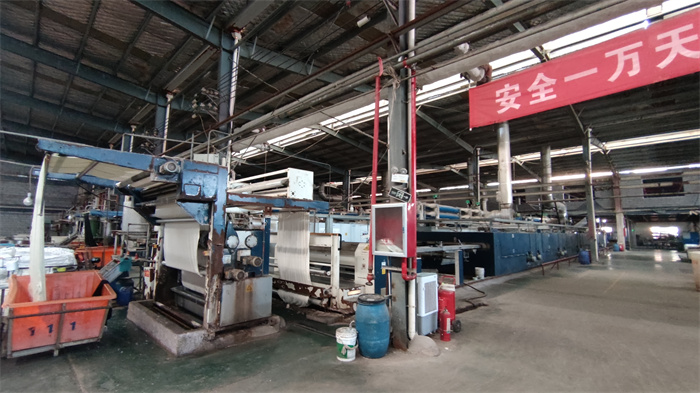
Finalized
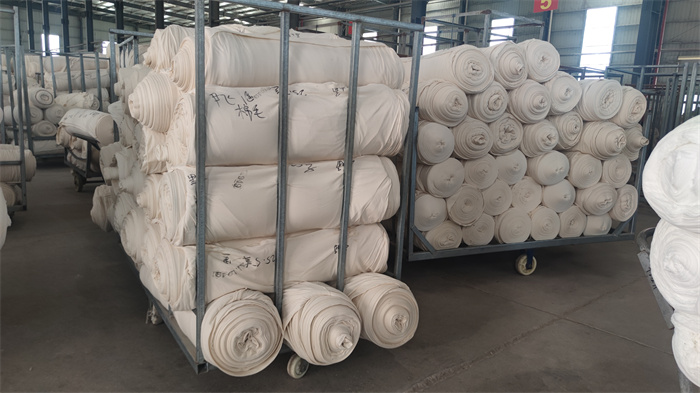
Finished Products
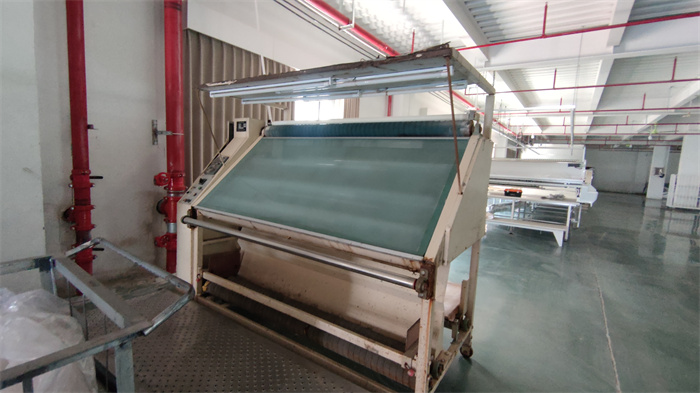
Inspection
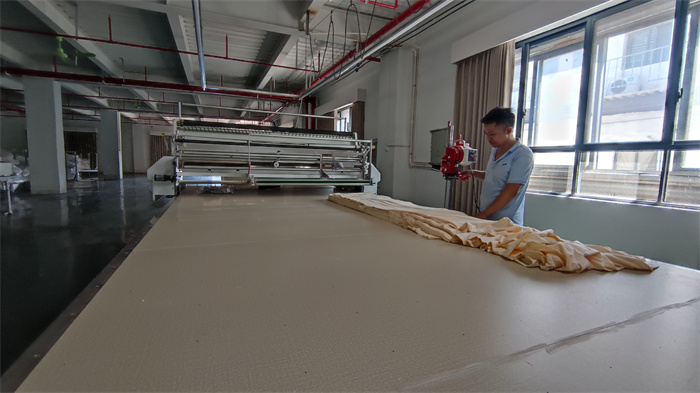
Cutting
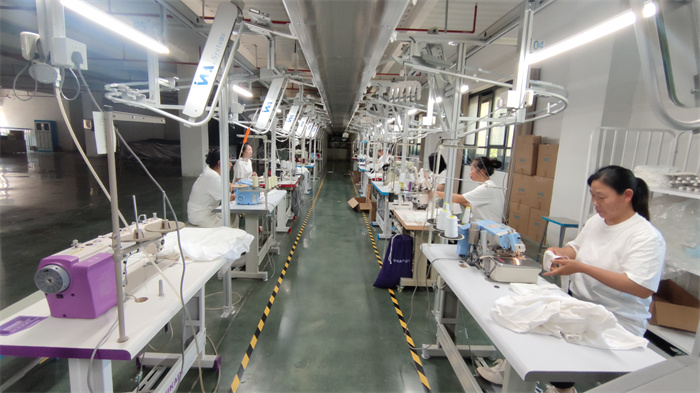
Sewing
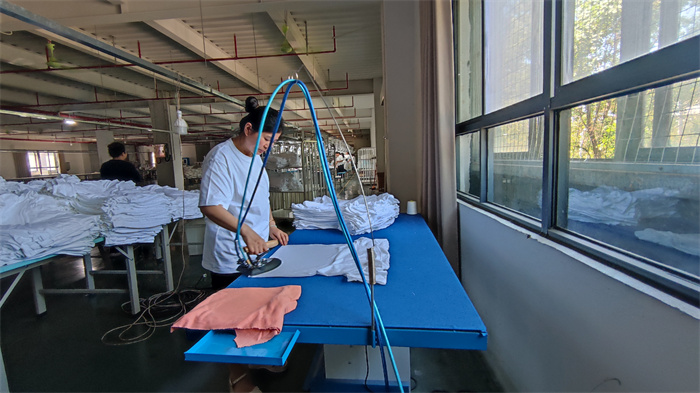
Ironing
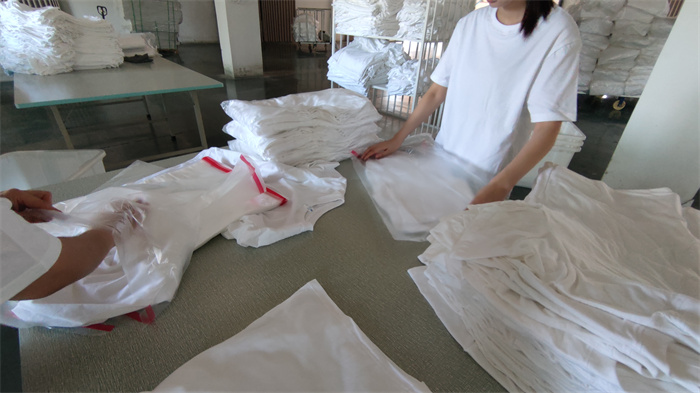
Packing & Shipping
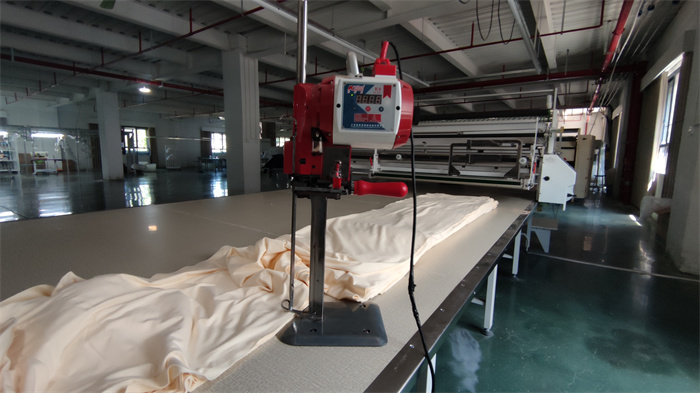
Electric Shearing
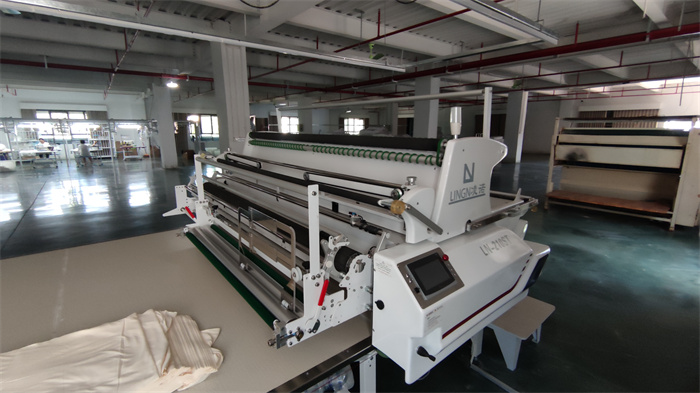
Cloth Laying
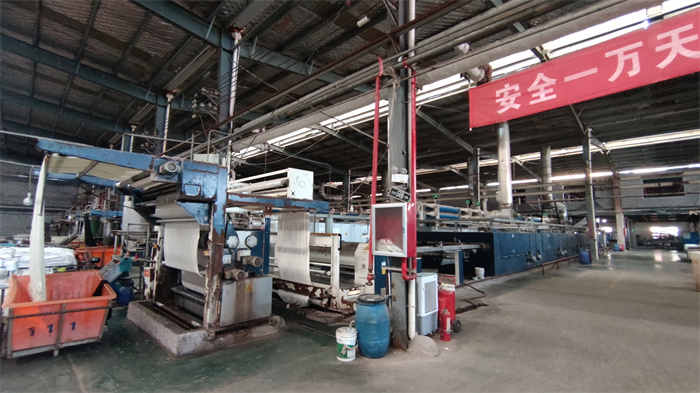
Cloth Shaping Line
For designers, founders, independent labels, and KOL-driven fashion projects, we act as both a technical partner and an execution extension of their creative team. Our collaboration typically includes:
We do not simply "produce garments." We help translate ideas into systems that can be reliably repeated, improved, and scaled. Whether matching Aegean cotton yarns for high-density polo structures or importing specialized Turkish interlinings for structured blazers, we design the optimal execution path.
Structuring supply chain workflows for diverse professional demands and target markets globally.
Brands in Western Europe requiring bi-weekly inventory updates leverage Turkish production pipelines to bypass freight delays. Utilizing flexible fabric reserves, factories can execute quick-turn orders of tailored shirts and light blazers within 14 business days, delivered by truck directly to distribution hubs in Germany, France, or the Netherlands.
Combining the sweat-wicking properties of pique knits with structured double-breasted blazers. This hybrid sourcing is heavily utilized by international airlines, five-star hotel chains, and premium automotive networks looking for functional uniforms that maintain architectural rigidity while ensuring all-day breathability.
High-end boutiques and streetwear brands focus on custom yarn weights (such as 240+ GSM mercerized cotton for polo shirts) and heavy wool-cotton blends for structured pants. Turkish mills excel at bespoke yarn-dyeing and custom washes, matching specific Pantone chips with near-zero batch variation.
As the apparel sector pivots toward a digitized future, the integration of 3D digital sampling (CLO 3D / Browzwear) has become the primary mechanism to eliminate physical waste. Brands can inspect draping behavior, stitch line tension, and texture scaling under simulated light environments before any fabric is cut. Our technological roadmap includes:
• AI-Driven Pattern Nesting: Optimizing cutting paths to reduce raw textile waste to less than 8%.
• Blockchain-Backed Traceability: Providing verified tracking maps from the Aegean cotton farms to the retail point of sale.
• Circular Fiber Regeneration: Upcycling cotton off-cuts back into high-strength yarn blends to support closed-loop brand portfolios.
A comprehensive inventory of tailored garments, crafted under strict quality assurance frameworks for international commercial networks.

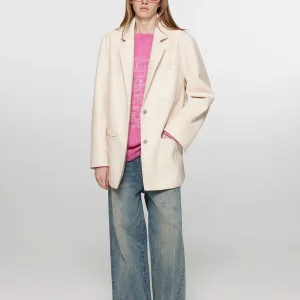
Refined options optimized for boutique chains, premium private label launches, and tailored collections.
Detailed insights from our supply chain directors addressing standard procurement constraints, shipping, and fabric specifications.
 Eglin Fashion