Eglin Fashion

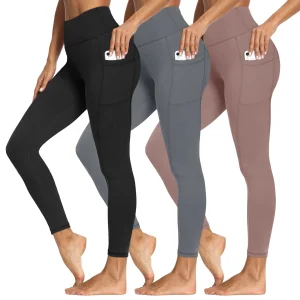

United States Leggings & Tights Industrial Assessment
Analyzing Sourcing Paradigms, Material Integrity, and the Shift Toward High-Performance Circular Knitting
1. The Structural Anatomy of the US Activewear & Hosiery Sector
The consumer ecosystem in the United States continues to demonstrate an insatiable demand for high-performance athleisure and precision hosiery. What began as a fashion movement has solidified into a structural lifestyle change. Today, premium leggings and tights are evaluated not merely on aesthetic merit but on material science—specifically, thermal performance, elasticity fatigue curves, and tactile feedback. As major retail chains and digital native direct-to-consumer (DTC) brands in the US scale up, sourcing managers face the critical task of balancing cost-efficiency with uncompromising structural standards.
To capture market share in competitive urban hubs—from the athletic lifestyle centers of California to the high-density professional spaces of New York—wholesale supplies must conform to strict physical metrics. These include ASTM standards for seam strength, fabric weight consistency (ranging from ultra-lightweight 120 GSM hosiery to high-density 320 GSM winter thermal leggings), and specialized non-transparent properties (often referred to as the "squat-proof" benchmark). Working with manufacturers who possess advanced technical knowledge guarantees that products withstand wear and keep their shapes over time.
2. Global Sourcing Dynamics: Risk Mitigation and Margin Optimization
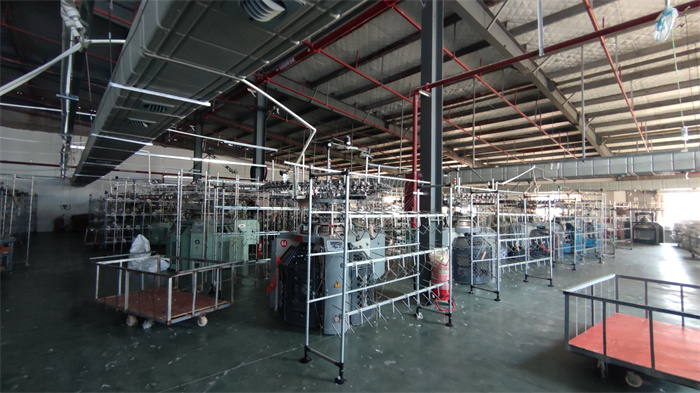
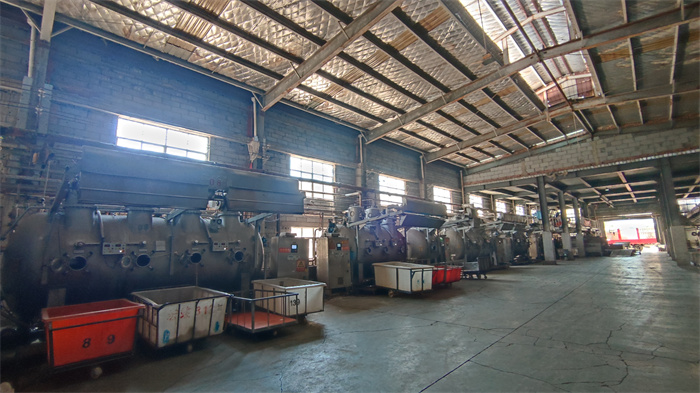
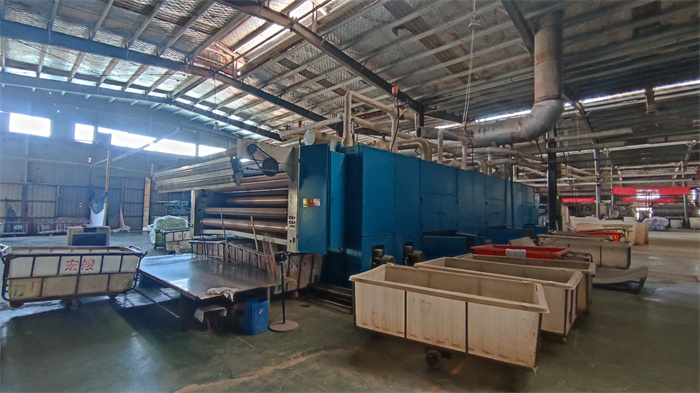
Sourcing products within the North American domestic market presents challenges, primarily due to capacity limits in advanced machinery and higher operational costs. Consequently, US brands rely on intelligent offshore manufacturing networks. A successful supply chain relies on partner manufacturers who offer technical expertise alongside raw production capacity. This integration helps mitigate risks related to transit delays, import duty changes, and raw material cost spikes.
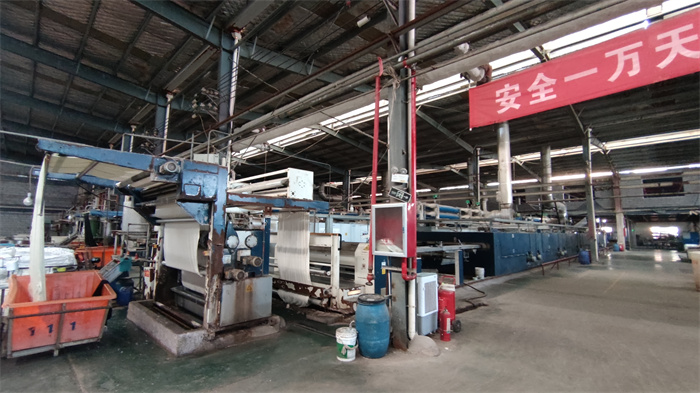
Modern procurement strategies demand deep supply chain transparency. American brands require certified factories that align with global compliance standards (including OEKO-TEX® Standard 100, BSCI, and WRAP). By implementing robust production methods, manufacturers can offset international shipping costs through manufacturing efficiencies, ensuring high-quality products arrive at US distribution centers on schedule.