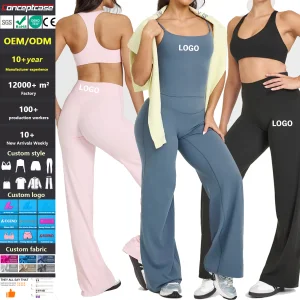
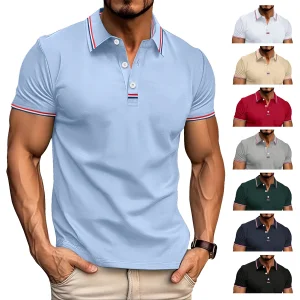
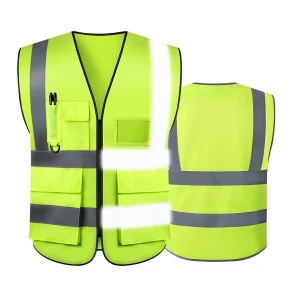
Explore our top-tier manufacturing runs spanning ergonomic athletic wear, compressive materials, and custom-designed sports gear.
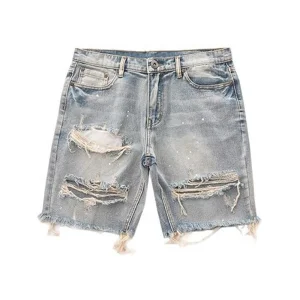
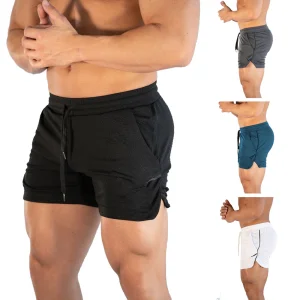
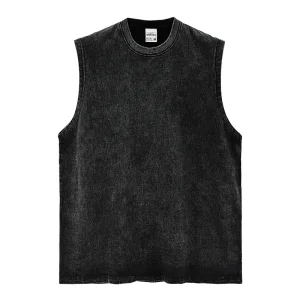
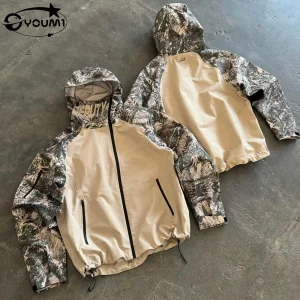
The global athletic apparel landscape is undergoing a structural transformation. The division between casual athletic leisurewear and high-performance sport-specific clothing is dissolving, giving rise to multi-functional apparel like tennis skirts and skorts. Modern B2B sourcing agents, retail buyers, and design founders are no longer looking for basic sewing subcontractors. Instead, they require vertically integrated development partners capable of offering Information Gain: high-level textile research, eco-compliance guarantees, automated silhouette engineering, and robust global trade optimization.
Understanding the dynamics of premium manufacturing begins at the yarn level. High-performance tennis skirts demand a precise mechanical stretch paired with quick-drying, moisture-wicking synthetic blends. Typically, a combination of 75% to 85% Polyester or Nylon fused with 15% to 25% Spandex (Elastane) forms the structural foundation. Additionally, the inclusion of double-knit interlock fabrics with GSM (Grams per Square Meter) values ranging from 220 to 260 ensures appropriate fabric density, zero opacity risk during high-impact lunges, and sustained shape retention after dozens of machine washes.
Sourcing managers face complex challenges, including volatile raw material costs, inconsistent dyeing qualities, and fragmented shipping routes. To mitigate these risks, factories like Dongguan Eglin Fashion Co., Ltd. provide standardized macro-level solutions:
Globally, the tennis skirt market is segmented into three major distribution zones: North America, Western Europe, and Asia-Pacific. While North America drives high-volume demand via active lifestyle trends, Europe dictates strict ecological regulations (e.g., EU REACH compliance, OEKO-TEX Standard 100).
From an industrial perspective, China's Pearl River Delta remains the undisputed capital for complex activewear engineering. The convergence of hardware (advanced computerized stitching, automated pattern laying) and software (highly skilled technicians, ERP-driven production lines) gives factories in regions like Dongguan an unparalleled edge in executing tight delivery schedules without sacrificing construction quality.
Dongguan Eglin Fashion Co., Ltd. is not just a traditional apparel manufacturer—it is a modern garment development and production partner built on the integration of aesthetic understanding, technical execution, and rapid response capability.
In an era driven by trends, noise, and overexposure, we choose to return to essentials: silhouette, proportion, and material integrity. We believe meaningful garments do not rely on loud statements, but on precision, restraint, and consistent design logic.
At Eglin Fashion, our philosophy can be summarized as: reduce excess, refine structure, and strengthen execution. Instead of layering unnecessary references, we focus on clarity in construction, fabric selection, and finishing details—ensuring every product communicates a coherent visual and tactile language.
We operate as more than a production facility. We function as a development system that bridges creative direction with scalable manufacturing. We understand the operational rhythm of contemporary streetwear and emerging brands, translating that into structured production logic:
For designers, founders, independent labels, and KOL-driven fashion projects, we act as both a technical partner and an execution extension of their creative team. Our collaboration typically includes:
We do not simply “produce garments.” We help translate ideas into systems that can be reliably repeated, improved, and scaled.
Exporting globally requires meeting strict cross-border criteria. Importers in the United States, United Kingdom, and European Union need assurance that factories comply with local labor practices and chemical management standards. Eglin Fashion prioritizes international compliance:
Our production lines align with BSCI (Business Social Compliance Initiative) standards, protecting worker rights and guaranteeing ethical sourcing. In terms of chemical safety, we enforce a zero-use policy for heavy metals and hazardous PFCs (perfluorocarbons) in waterproof finishes, ensuring compliance with EPA and European REACH standards. This compliance simplifies customs clearance and shields brands from product liability risks.
To address the diverse retail markets worldwide, we adapt tennis skirt designs to match localized consumer behavior:
Looking toward the next decade, apparel manufacturing is shifting toward automated precision and circular sustainability. Eglin Fashion’s technical roadmap includes the integration of ultrasonic welding—replacing traditional needle-and-thread seams with fused flat junctions to maximize comfort.
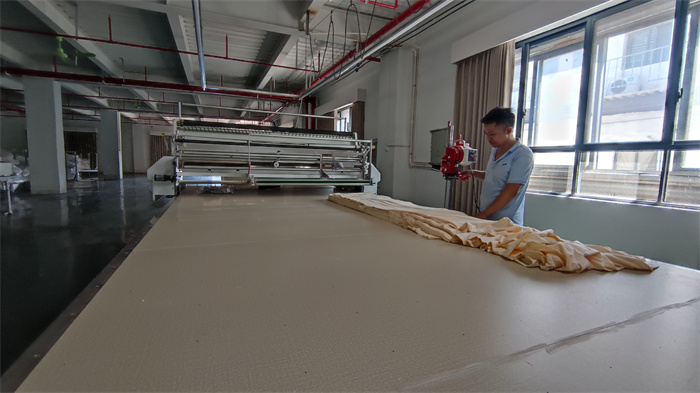
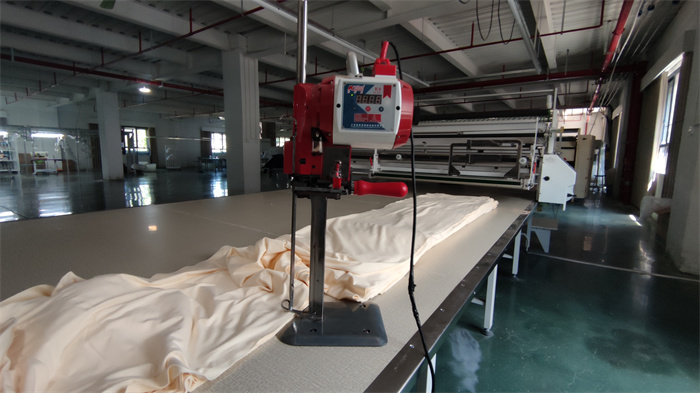
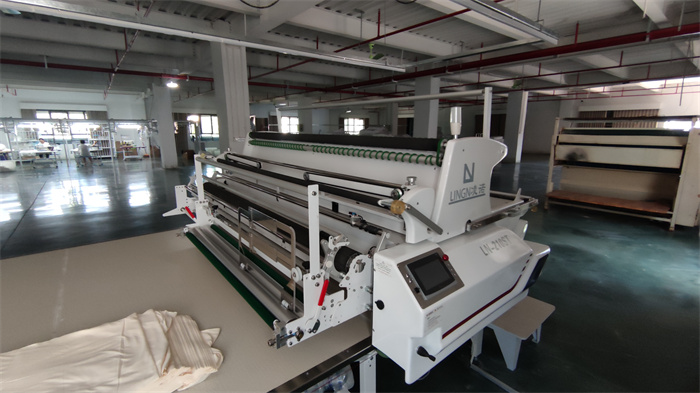
Additionally, we are expanding our R&D into bio-based yarns (extracted from organic plant wastes) and closed-loop chemical recycling, reducing dependence on petroleum-based polymers. By adopting automated computerized cutters and IoT-connected sewing units, we ensure structural variation is kept to less than 1.5mm, setting a new benchmark for mass-production quality.
Combining textile science with ergonomic layout designs to optimize wearability and operational longevity.
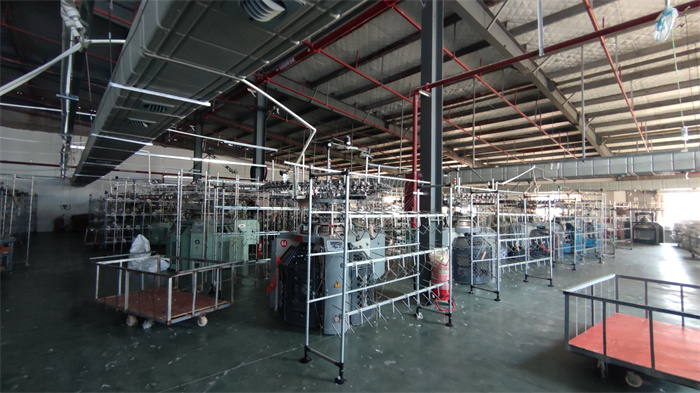
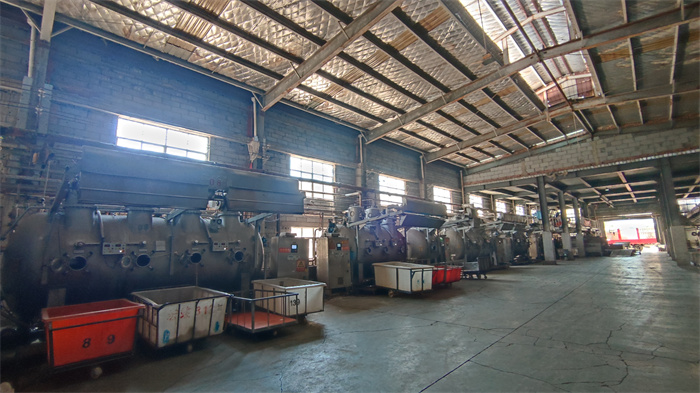
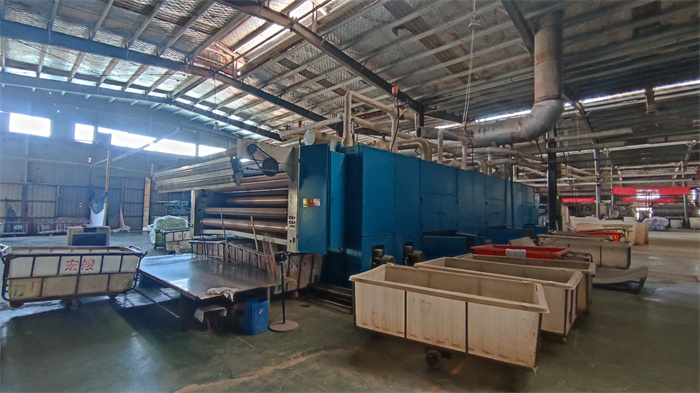
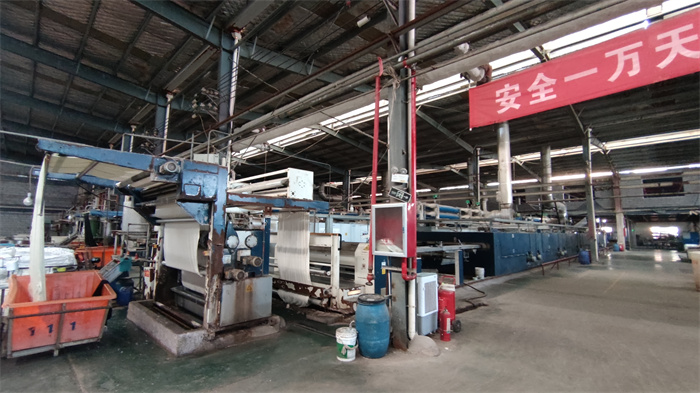
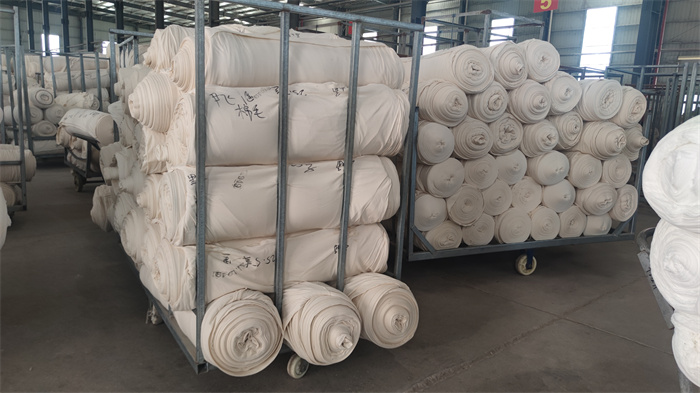
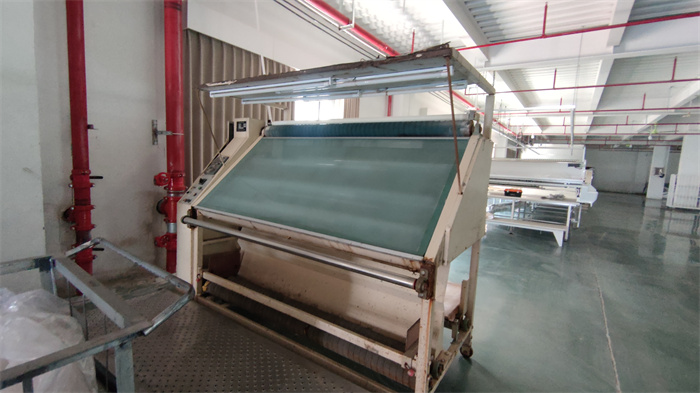
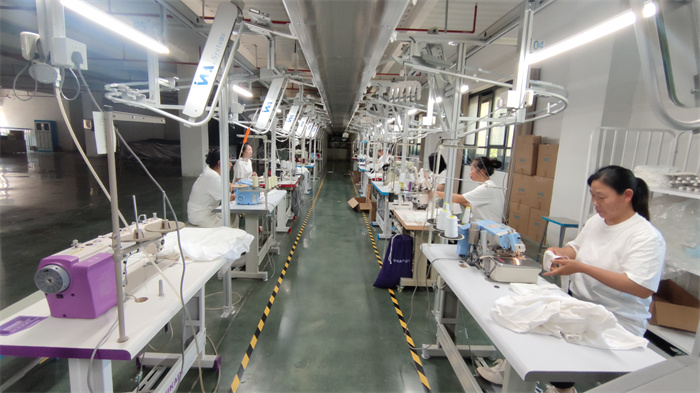
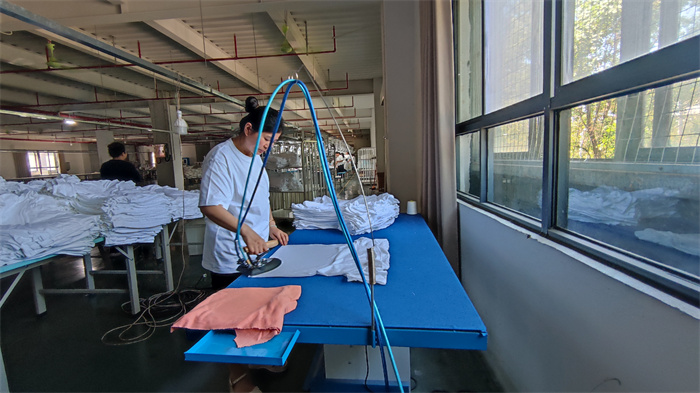
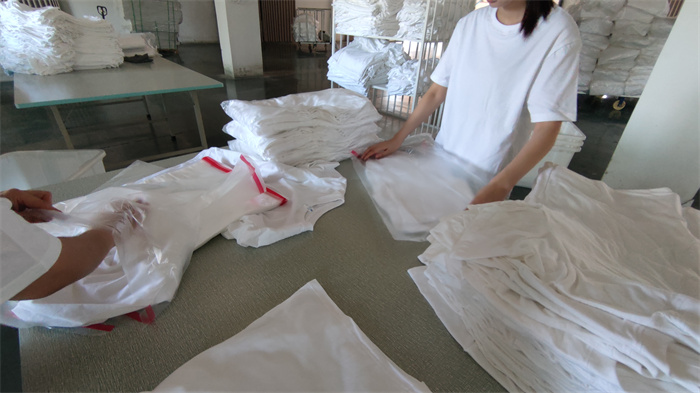
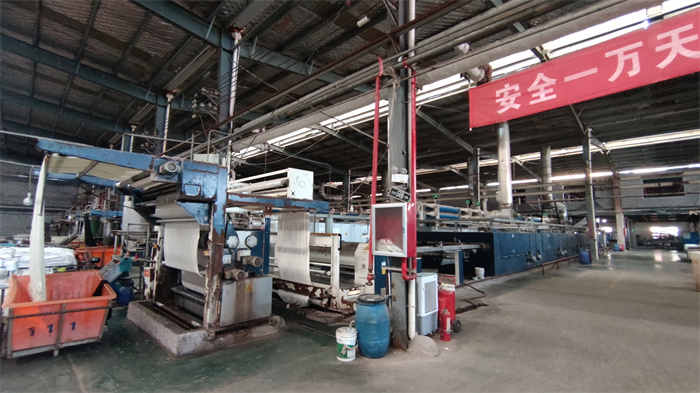
From raw fiber processing and specialized dyeing to automated tailoring, precision stitching, and rigorous QA verification.
Answers to essential questions regarding international bulk sourcing, technical design options, and customization setups.
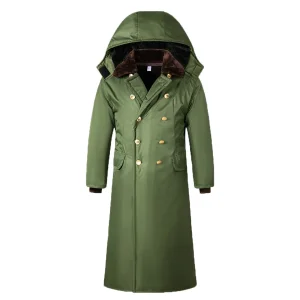
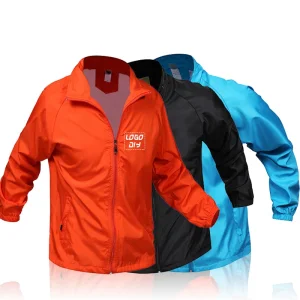
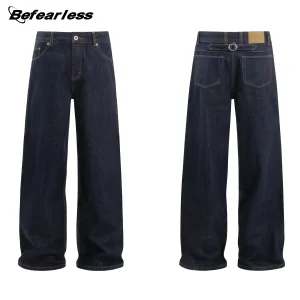
From outer layers to supportive base wear, review our complete global production runs.
 Eglin Fashion