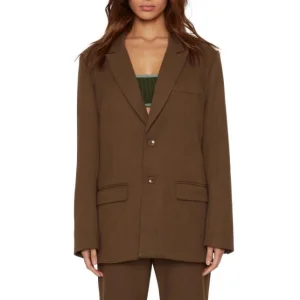
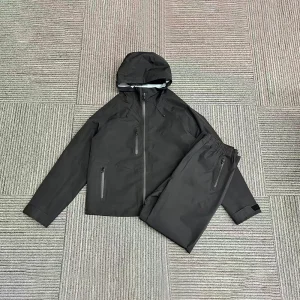
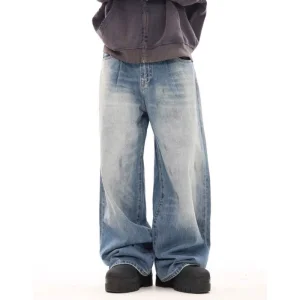
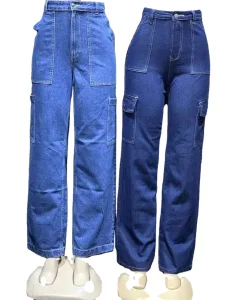
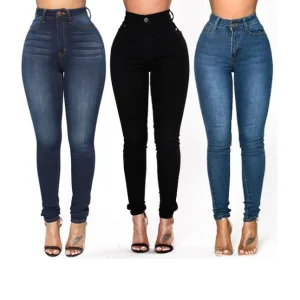
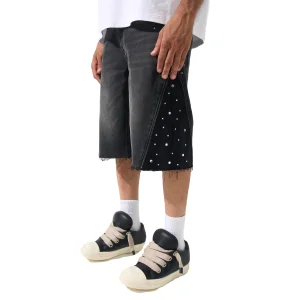
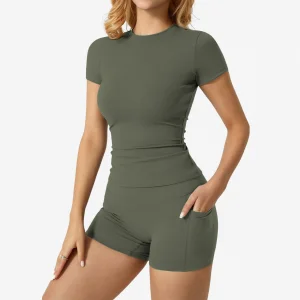
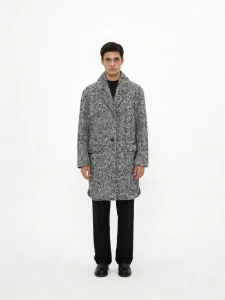
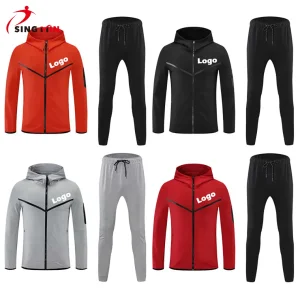
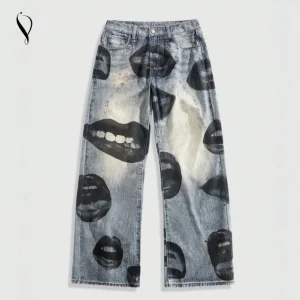
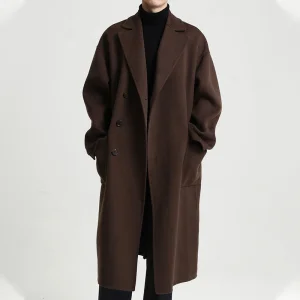
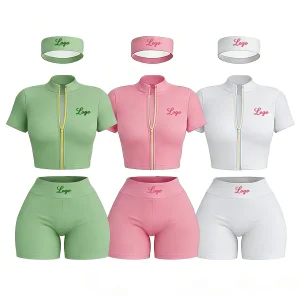
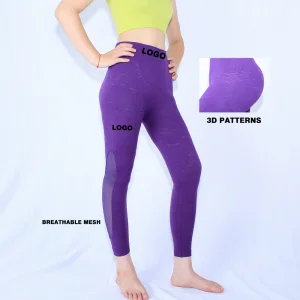
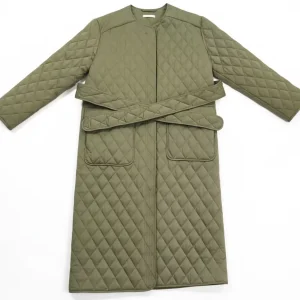
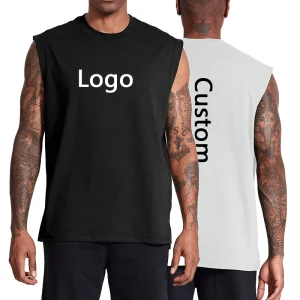
The global consumer demands cohesiveness. Brands can no longer operate footwear and apparel manufacturing in silos. The macro market size for footwear alone is projected to reach USD 440 billion by 2030, while the apparel sector continues its stride past USD 1.7 trillion. However, the true growth driver is the absolute convergence of these two sectors. High-end footwear requires matching lifestyle apparel, and technical sportswear brands demand unified engineering from head to toe.
Historically, supply chains were fragmented, leading to color discrepancies, misaligned textile performance metrics, and inconsistent delivery timelines. Today, the world's most trusted manufacturers utilize a convergent manufacturing matrix where advanced stitching, thermal bonding, and material engineering protocols are synchronized across both footwear elements (such as knit uppers and dynamic collar trims) and technical apparel layers.
Lower Sourcing Latency via Consolidated Facilities
Strict QA Pass Rate Across Combined Runs
Color-Divergence via Centralized Dye Execution
Fully Certified Raw Material Selection Systems
Why do leading global brands consistently source from Dongguan? The answer lies in the unmatched concentration of the supply chain ecosystem. Dongguan Eglin Fashion Co., Ltd. is located at the center of this industrial powerhouse. In Dongguan, raw material components—from performance yarns and raw denim to specialized non-slip eyelets, high-tensile sewing threads, and custom polymers—can be sourced, tested, and incorporated within a 50-kilometer radius.
This geographic concentration creates an agile setup that Western factories cannot easily match. While traditional Western sourcing models require 6 to 9 months for design-to-shelf execution, Eglin Fashion's system achieves a rapid turnaround:
Our dedicated CAD engineering team converts tech packs into functional physical samples in 48-72 hours. This process utilizes advanced pattern nesting algorithms to minimize textile waste from the start.
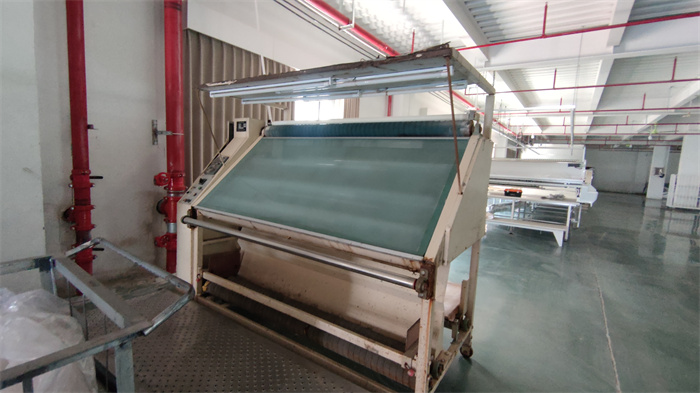
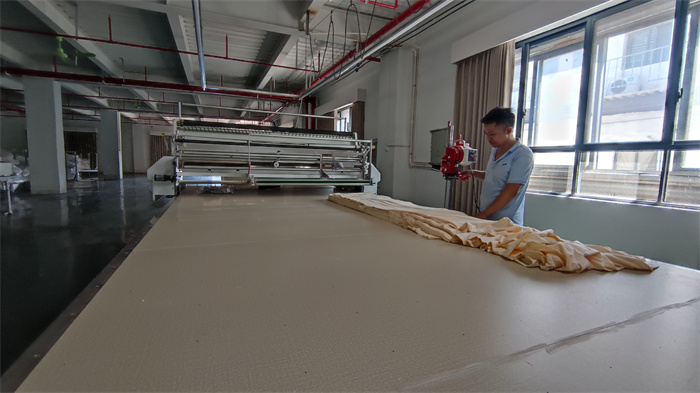
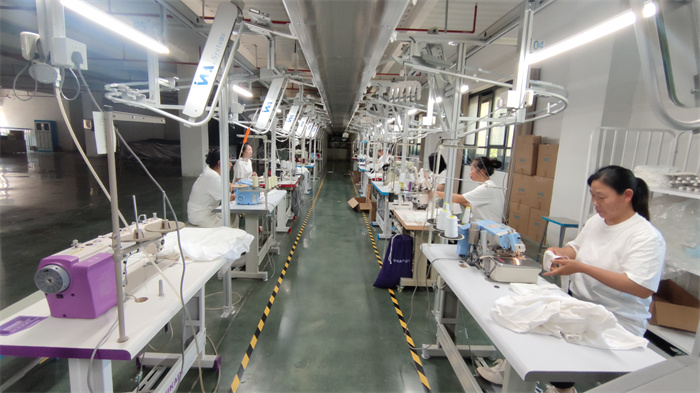
By using automated cloth laying, electric shearing machines, and programmable stitching centers, we minimize human error and ensure bulk orders remain identical to approved samples.
From initial yarn strength tests to final packaging checks, quality assurance is embedded at every manufacturing step, rather than being treated as a final, post-production formality.
Dongguan Eglin Fashion Co., Ltd. is not just a traditional apparel manufacturer—it is a modern garment development and production partner built on the integration of aesthetic understanding, technical execution, and rapid response capability.
In an era driven by trends, noise, and overexposure, we choose to return to essentials: silhouette, proportion, and material integrity. We believe meaningful garments do not rely on loud statements, but on precision, restraint, and consistent design logic.
At Eglin Fashion, our philosophy can be summarized as: reduce excess, refine structure, and strengthen execution. Instead of layering unnecessary references, we focus on clarity in construction, fabric selection, and finishing details—ensuring every product communicates a coherent visual and tactile language.
Dongguan Eglin Fashion Co., Ltd. operates as more than a production facility. We function as a development system that bridges creative direction with scalable manufacturing.
We understand the operational rhythm of contemporary streetwear and emerging brands, translating that into structured production logic:
For designers, founders, independent labels, and KOL-driven fashion projects, we act as both a technical partner and an execution extension of their creative team. Our collaboration typically includes:
We do not simply “produce garments.” We help translate ideas into systems that can be reliably repeated, improved, and scaled.
At Eglin Fashion, we are not driven by short-term hype or seasonal spikes. We are driven by consistency, clarity, and buildable identity. We produce clothing—but more importantly, we help brands turn intention into structured reality.
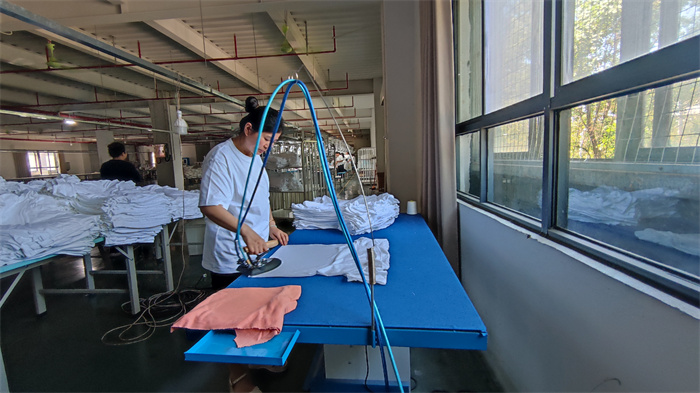
Transparent workflows are the foundation of E-E-A-T. Here is a look at Eglin Fashion's step-by-step production pipeline, which takes raw fiber and transforms it into high-end retail products.
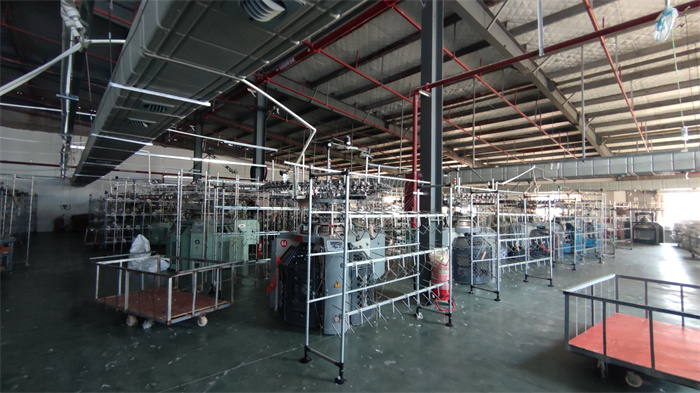
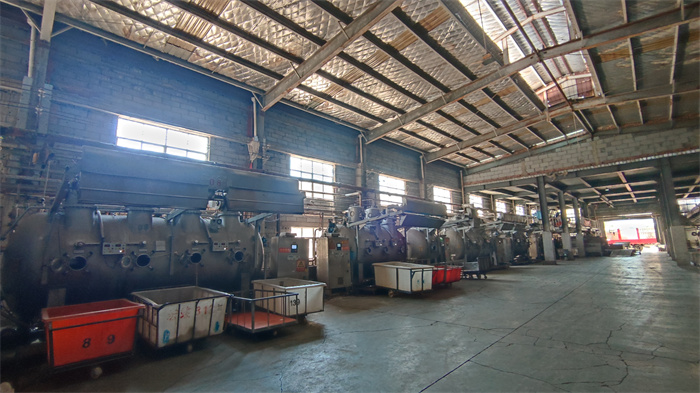
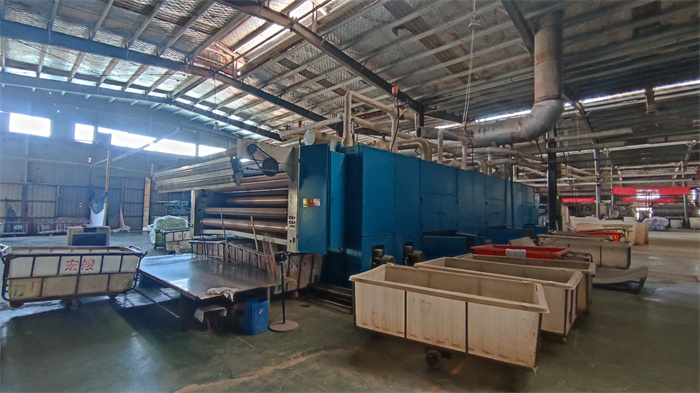
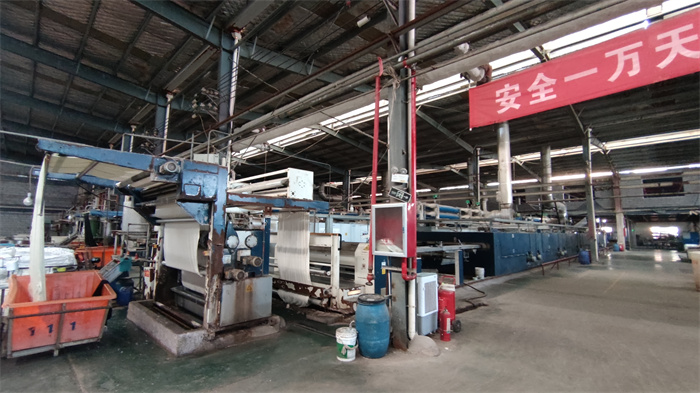
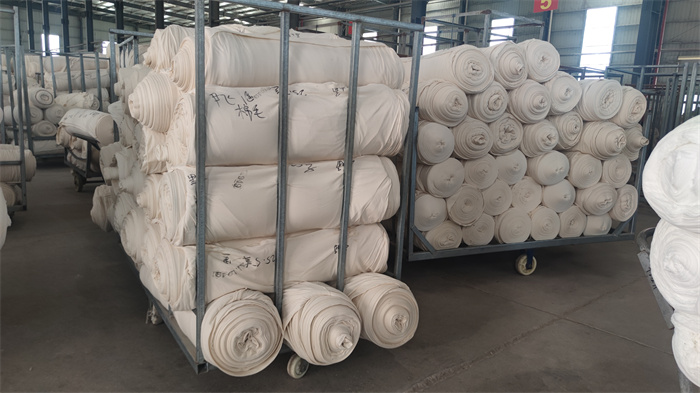
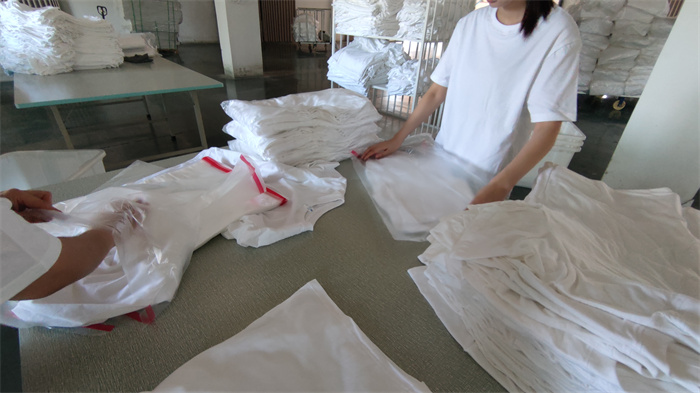
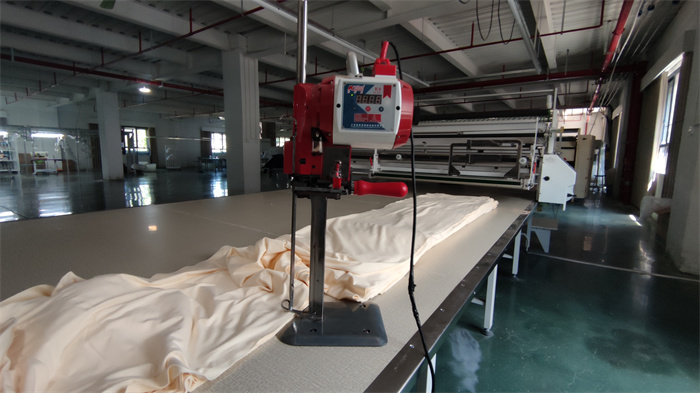
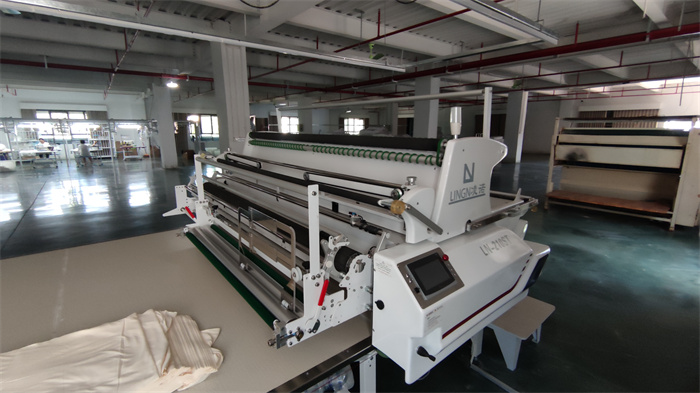
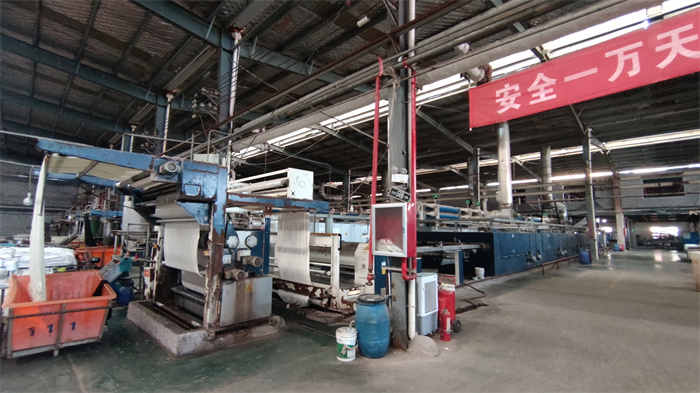
Modern procurement demands strict compliance with global environmental, social, and quality standards. Sourcing offices in North America and Western Europe are no longer just looking at unit prices. Instead, they focus on three core metrics: Supply Chain Traceability, Decarbonized Production, and Adaptive MOQ Schedules.
Eglin Fashion meets these requirements through a robust sourcing and material policy. We prioritize materials that hold OEKO-TEX Standard 100 and Global Recycled Standard (GRS) certifications. By sourcing from validated chemical dyers and tracking cotton lot origins, we help brands maintain transparency for end-consumers and customs audits.
Our production output adapts to diverse market applications across the globe:
Common technical and logistical questions answered by our production engineering team.
 Eglin Fashion