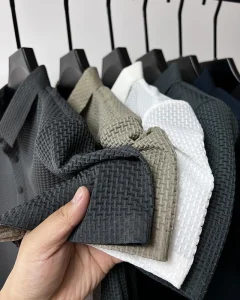
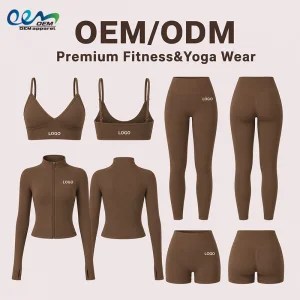
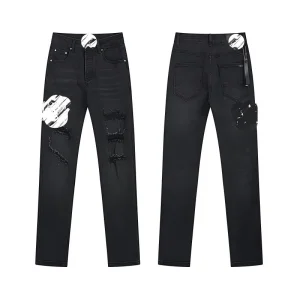
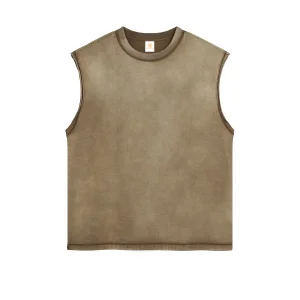
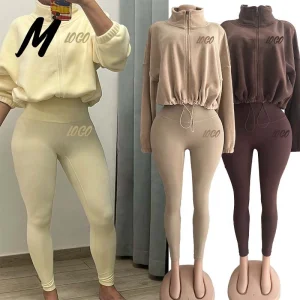
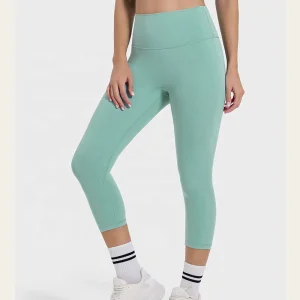
Global consumer demand has decisively evolved beyond standard single-knit jersey options. Contemporary short sleeve shirts must provide advanced thermoregulation, structural integrity over repeated washing cycles, and moisture-management protocols. High-performance polyester-elastane and mercerized long-staple cotton are setting new standards for premium streetwear and modern office casual shirts.
B2B retail networks face strict compliance mandates globally (such as the EU Corporate Sustainability Due Diligence Directive). Selecting short sleeve suppliers that employ clean, low-impact dye processes, GOTS-certified organic raw materials, and verified recycled polyester options is no longer optional—it is a critical requirement for market access.
Modern streetwear has driven oversized, dropped-shoulder patterns into the commercial mainstream. At the same time, tailored, smart-casual silhouettes require extremely precise pattern engineering to drape correctly. Sourcing networks depend heavily on suppliers capable of adjusting grade rules to accommodate varied demographic fit profiles without compromising structural seam integrity.
The price of combed cotton and high-filament synthetic yarns is highly susceptible to energy price fluctuations. To maintain stable wholesale price structures, manufacturers must establish direct supply agreements with Tier-3 spinning mills. Implementing raw material reserves ensures that pricing commitments remain stable during peak production cycles.
Global trade policies necessitate clean documentation trails. High-caliber suppliers compile comprehensive Bills of Materials (BOM) and support full supply chain transparency. This trace documentation ensures clear custom clearances across major international ports, mitigating the risk of border delays.
Static, massive minimum order requirements are no longer suited to dynamic retail realities. Leading manufacturers resolve inventory risk by offering tiered MOQ strategies: small-batch initial testing runs combined with digital pattern storage, enabling rapid re-order execution once retail sales signals confirm demand.
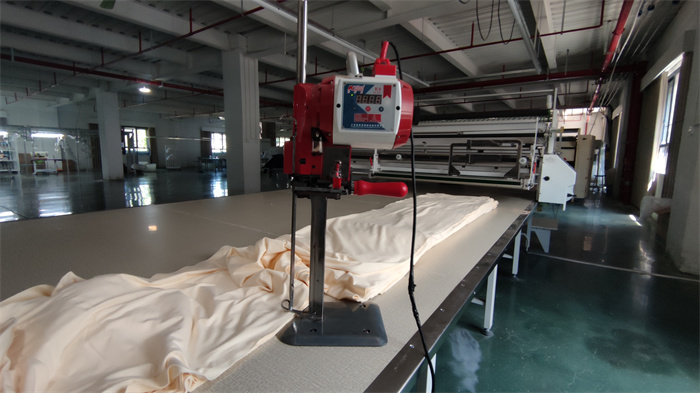
Using advanced software tools to digitize physical patterns, preventing alignment issues and reducing cutting waste. This technology ensures that sizing gradients remain consistent year after year.
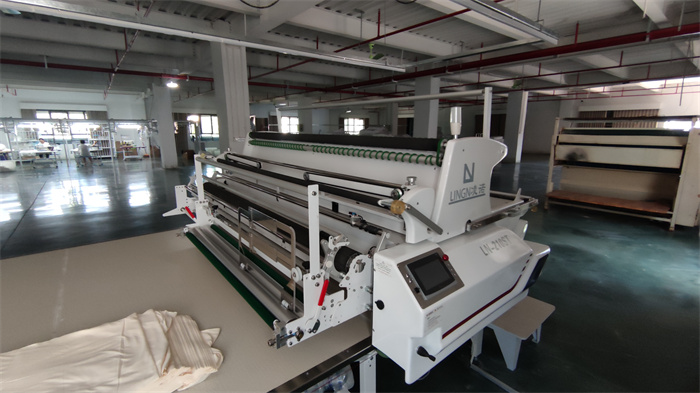
Using automated tension-free fabric laying machinery guarantees warp and weft alignment. This reduces shrinkage variations and structural twisting across mass production lines.
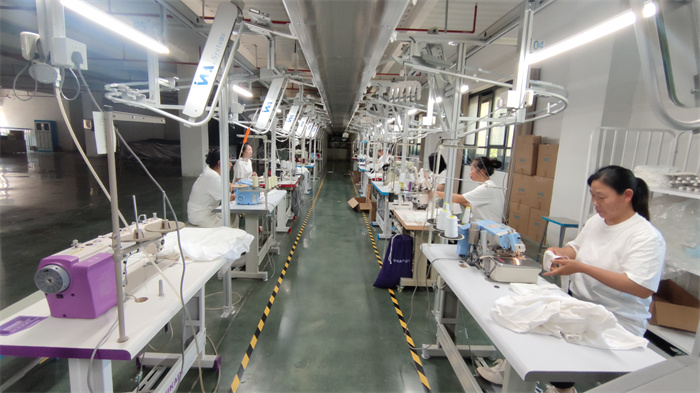
Incorporating intermediate inline checking stations directly within the sewing cells prevents defect accumulation, ensuring that end products match technical specifications.
Dongguan Eglin Fashion Co., Ltd. is not just a traditional apparel manufacturer—it is a modern garment development and production partner built on the integration of aesthetic understanding, technical execution, and rapid response capability.
In an era driven by trends, noise, and overexposure, we choose to return to essentials: silhouette, proportion, and material integrity. We believe meaningful garments do not rely on loud statements, but on precision, restraint, and consistent design logic.
At Eglin Fashion, our philosophy can be summarized as: reduce excess, refine structure, and strengthen execution. Instead of layering unnecessary references, we focus on clarity in construction, fabric selection, and finishing details—ensuring every product communicates a coherent visual and tactile language.
Dongguan Eglin Fashion Co., Ltd. operates as more than a production facility. We function as a development system that bridges creative direction with scalable manufacturing.
We understand the operational rhythm of contemporary streetwear and emerging brands, and translate that into structured production logic:
Refining pattern-making to achieve balanced proportions and consistent fit performance across different body types.
Selecting materials based on weight, drape, texture, and brand positioning to match market expectations.
Using precise stitching, paneling, wash processes, and custom trims to reinforce brand identity and durability.
Accelerating the path from concept sketch to pre-production sample to bulk run without compromising finish quality.
For designers, founders, independent labels, and KOL-driven fashion projects, we act as both a technical partner and an execution extension of their creative team.
Our collaboration typically includes:
We do not simply “produce garments.” We help translate design concepts into structured, repeatable manufacturing systems that scale.
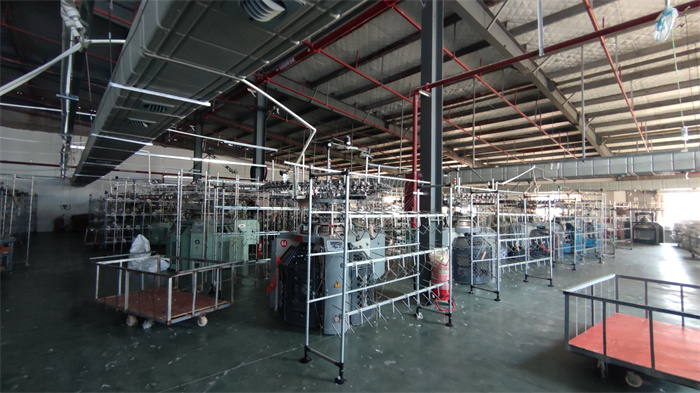
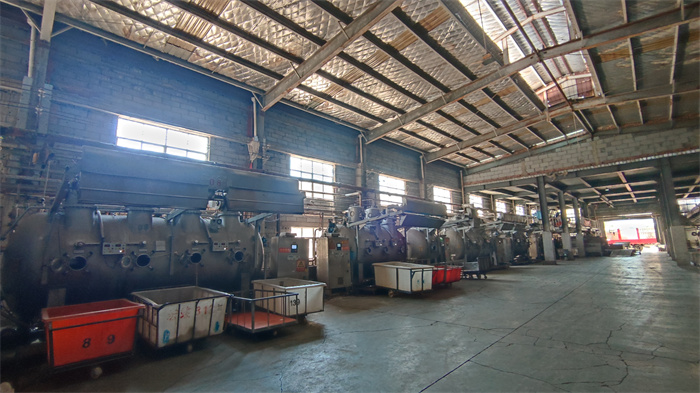
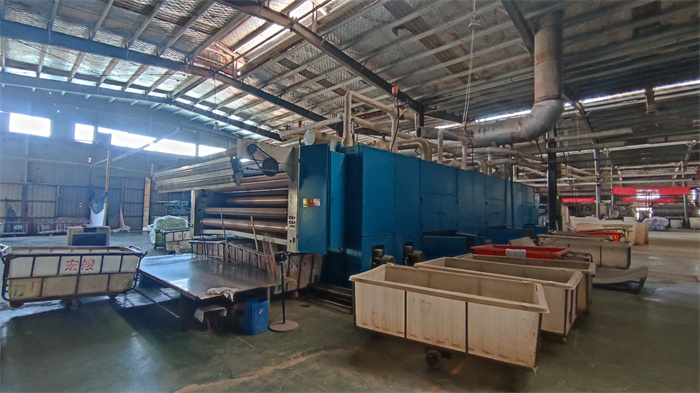
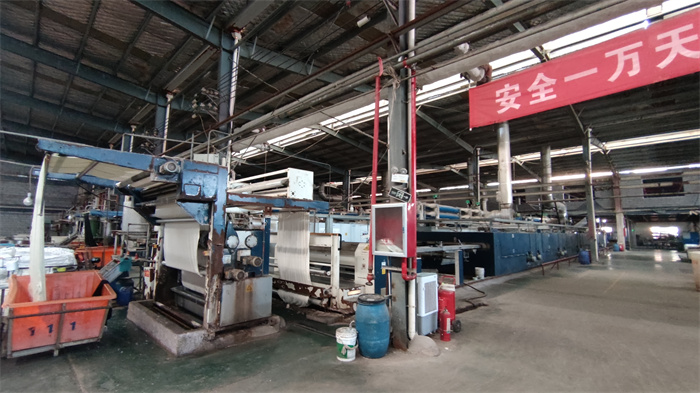
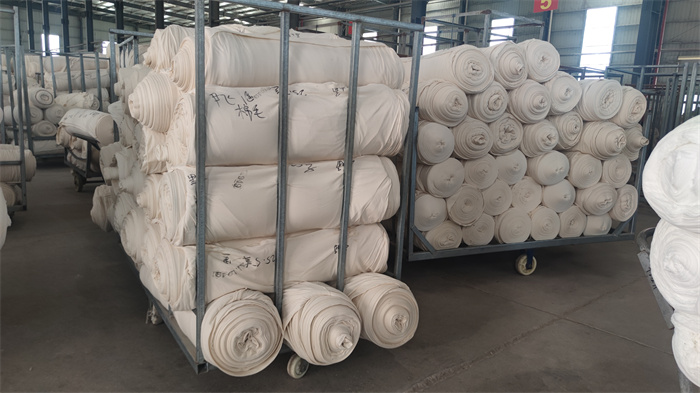
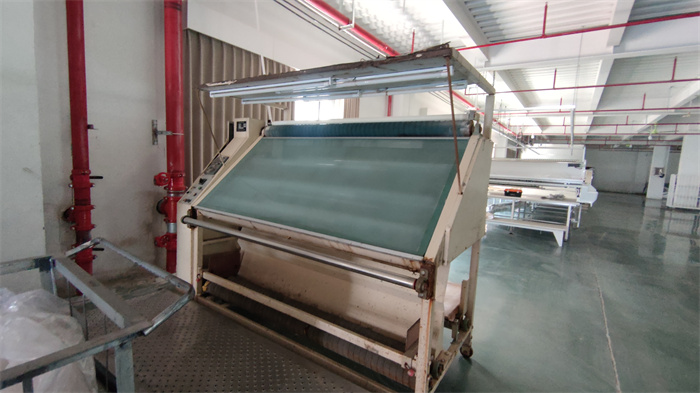
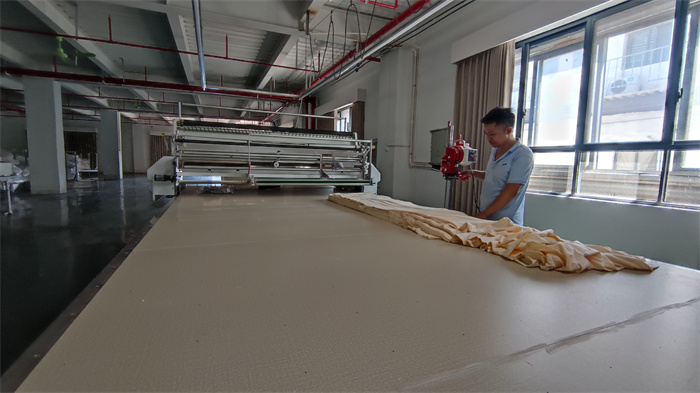
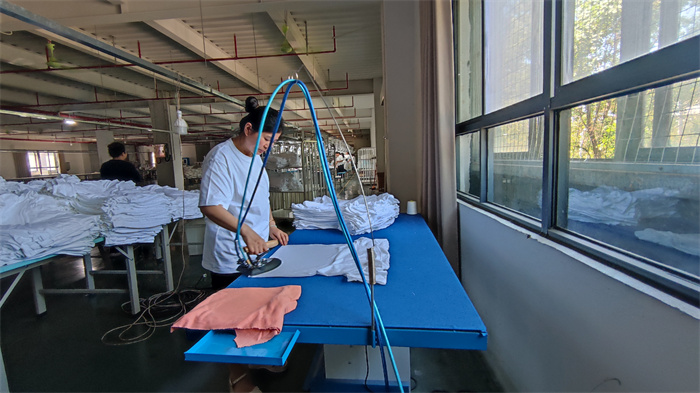
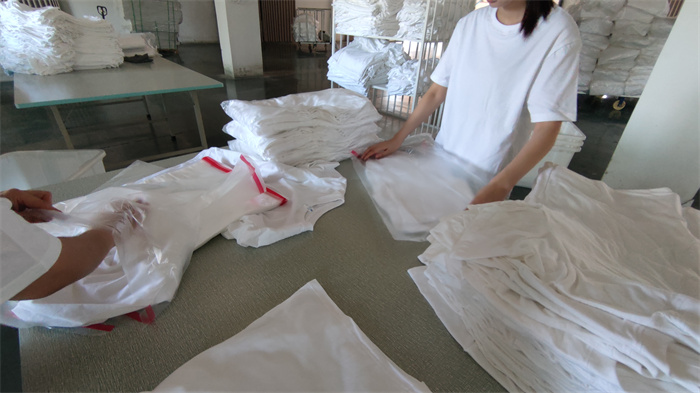
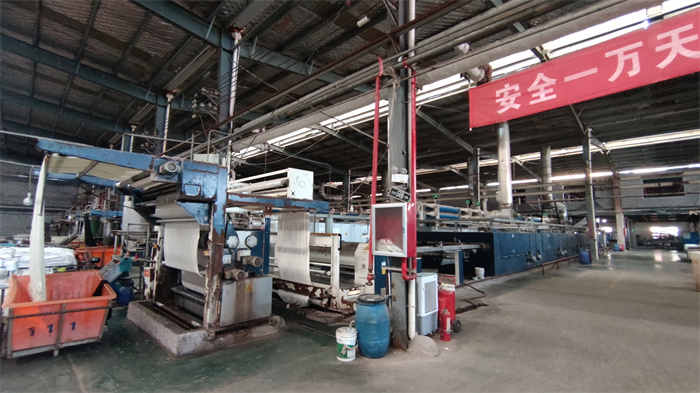
Streetwear brands prioritize visual weight and structured drape. Heavyweight cotton blends (typically 240g/m² to 300g/m²) are engineered to hold their shape, combined with pre-shrunk washes to maintain a consistent fit after consumer laundering.
B2B corporate clients require high-durability fabrics with anti-pilling finishes and reliable colorfastness (Grade 4 minimum). These garments are optimized to withstand industrial laundering processes while retaining a clean, formal drape.
Online retailers need agile production cycles. We support fast-turnaround sampling systems and reliable repeat order pipelines, allowing digital brands to manage inventory dynamically based on live sales data.
 Eglin Fashion