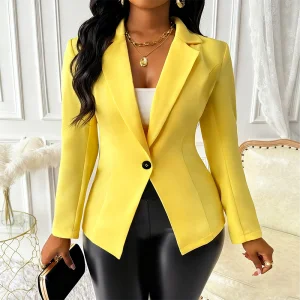
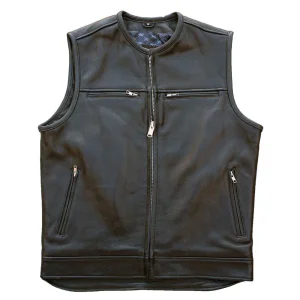
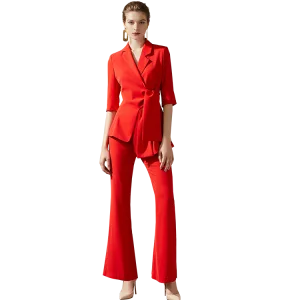
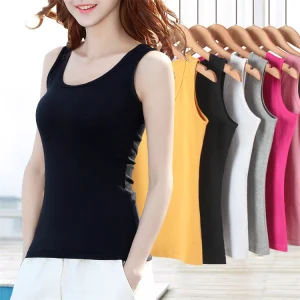
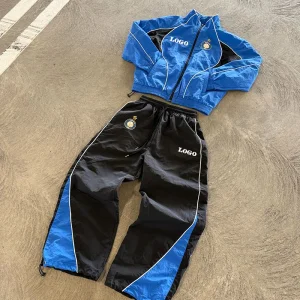
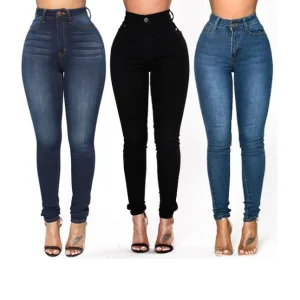
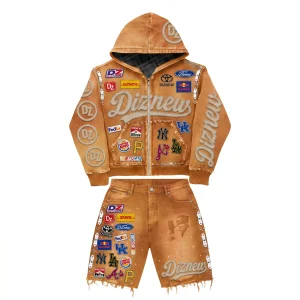
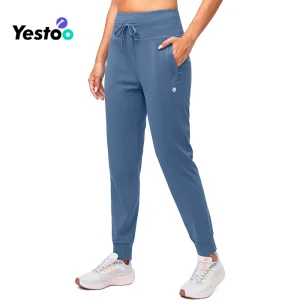
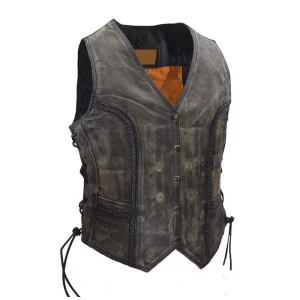
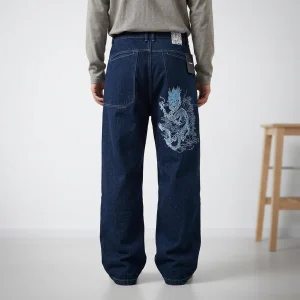
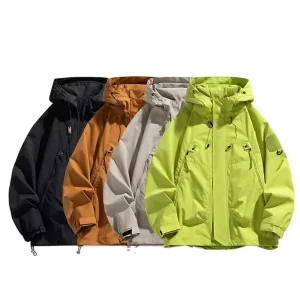
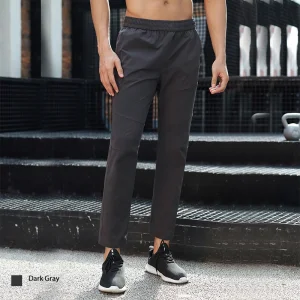
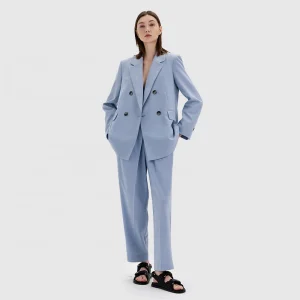
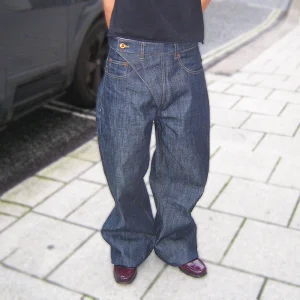
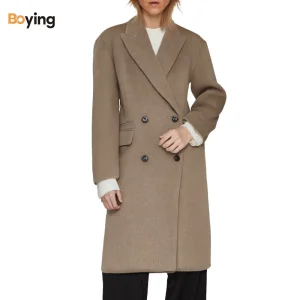
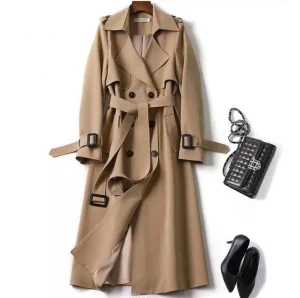
Explore our core product capabilities from high-performance athletic wear to structured blazers and precision engineered denim.
An analytical exploration of supply chain architecture, fabric technology, and the industrial capacity of modern Chinese mills.
The global shirts and woven apparel market is undergoing a rapid, structural transformation. Driven by shifts in consumer preferences toward high-performance hybrid textiles, and the strict requirement for sustainable supply chains, contemporary brands are forced to re-engineer their procurement frameworks. The modern shirt is no longer just a cut-and-sewn commodity; it represents a convergence of textile physics, precision fit mechanics, and automated manufacturing systems.
Historically, textile sourcing prioritized low-cost labor hubs. However, the rise of real-time inventory management (just-in-time logistics) and the volatility of consumer demand mean that geographic proximity to complex component networks is critical. Leading international brands are shifting operations to partners that demonstrate deep Fabric Intelligence and high digital integration. From raw yarn procurement to automated cutting and post-process washing, the modern manufacturer must act as an end-to-end solutions architect.
"Information Gain in Sourcing: Smart buyers look past basic unit economics. They evaluate a mill’s capacity for raw material traceability, structural pattern reliability, and technical flexibility during seasonal capacity fluctuations."
Understanding high-quality shirting requires analyzing the technical details of yarn construction. High-end shirts use long-staple cotton (such as Giza or Supima) woven in double-ply configurations (e.g., 100s/2 or 120s/2), which improves fabric strength, luster, and resistance to pilling. For active-lifestyle and smart-casual segments, manufacturers now blend these natural fibers with functional synthetics (like Tencel, Coolmax, or Lycra) to provide mechanical stretch, moisture management, and natural wrinkle recovery without relying heavily on chemical finishes.
Bridging aesthetic intuition, technical engineering, and industrial scale.
Dongguan Eglin Fashion Co., Ltd. is not just a traditional apparel manufacturer—it is a modern garment development and production partner built on the integration of aesthetic understanding, technical execution, and rapid response capability.
In an era driven by trends, noise, and overexposure, we choose to return to essentials: silhouette, proportion, and material integrity. We believe meaningful garments do not rely on loud statements, but on precision, restraint, and consistent design logic. At Eglin Fashion, our philosophy can be summarized as: reduce excess, refine structure, and strengthen execution. Instead of layering unnecessary references, we focus on clarity in construction, fabric selection, and finishing details—ensuring every product communicates a coherent visual and tactile language.
Dongguan Eglin Fashion Co., Ltd. operates as more than a production facility. We function as a development system that bridges creative direction with scalable manufacturing. We understand the operational rhythm of contemporary streetwear and emerging brands, and translate that into structured production logic:
Refining pattern-making and utilizing advanced CAD systems to achieve balanced proportions, ergonomic movement, and consistent fit performance across different size ranges.
Selecting and testing raw materials based on weight (GSM), drape, yarn structure, weave patterns, and alignment with target brand positioning.
Applying specialized stitching (e.g., 18-20 stitches per inch, clean flat-felled seams), durable trims, and custom washes to reinforce brand identity and extend garment life.
Sampling Efficiency System: Accelerating the path from initial design concepts to physical prototypes and bulk production runs, while maintaining consistent quality across batches.
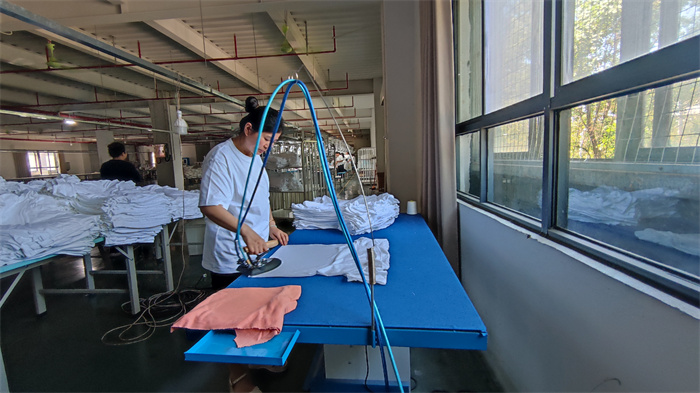
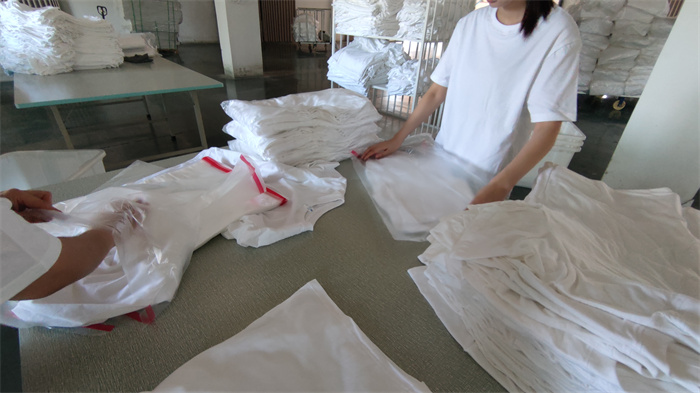
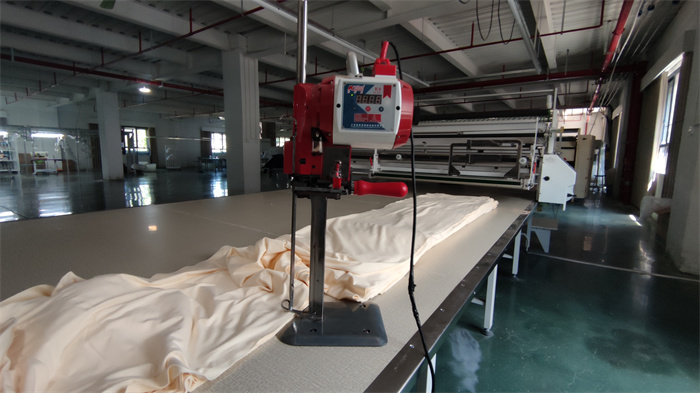
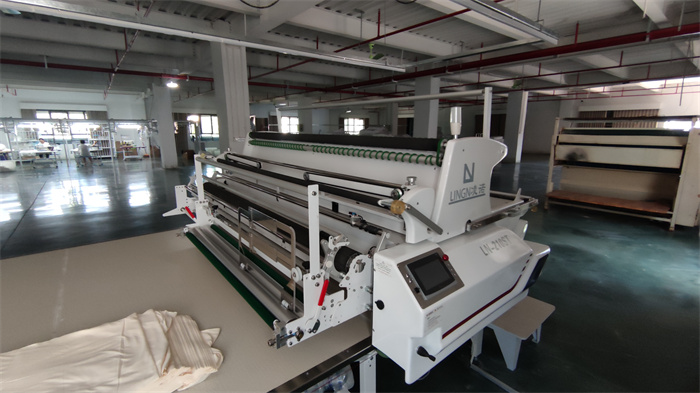
Step-by-step visual documentation of our integrated textile engineering and garment construction processes.
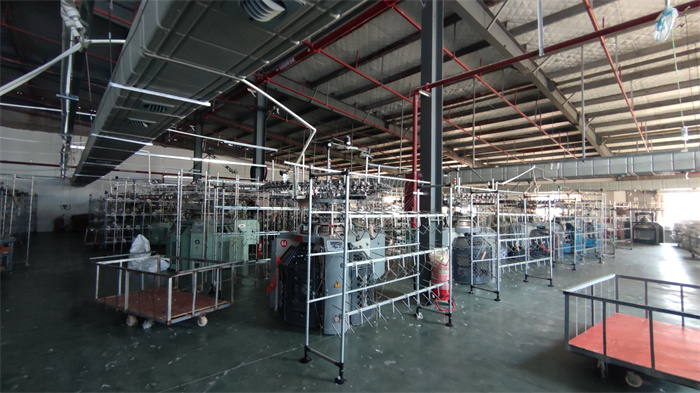
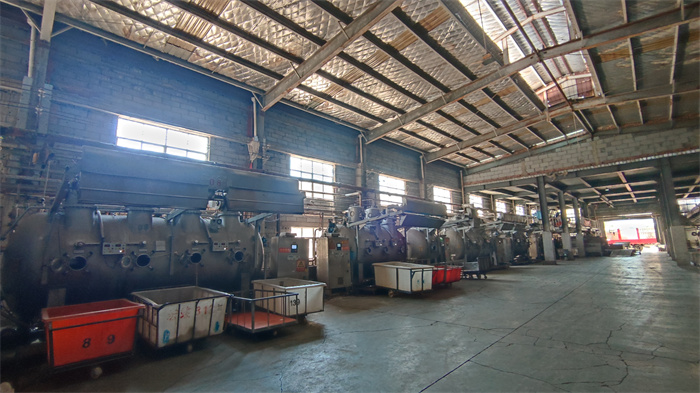
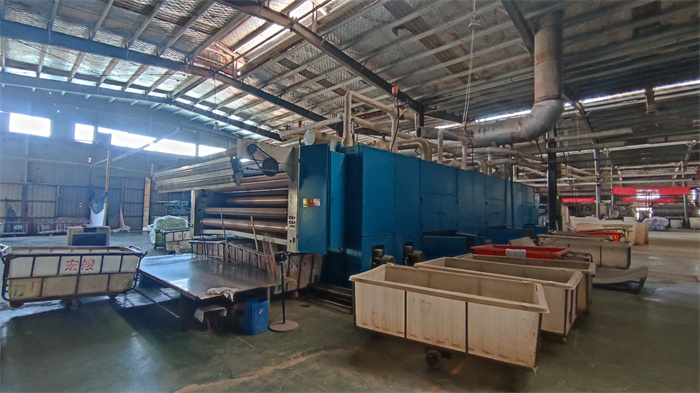
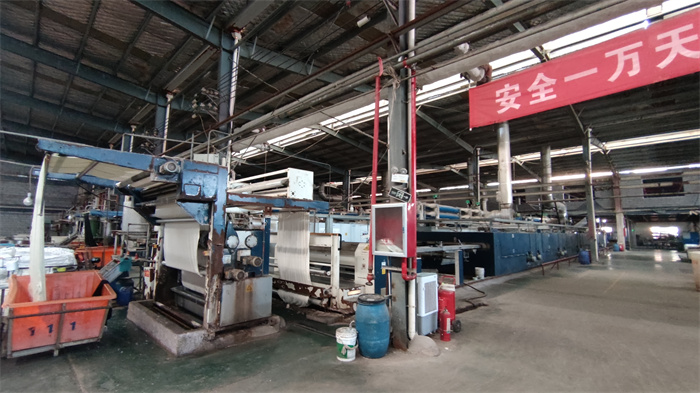
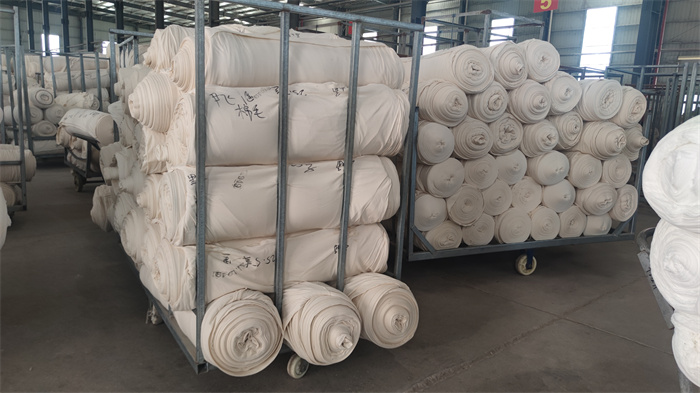
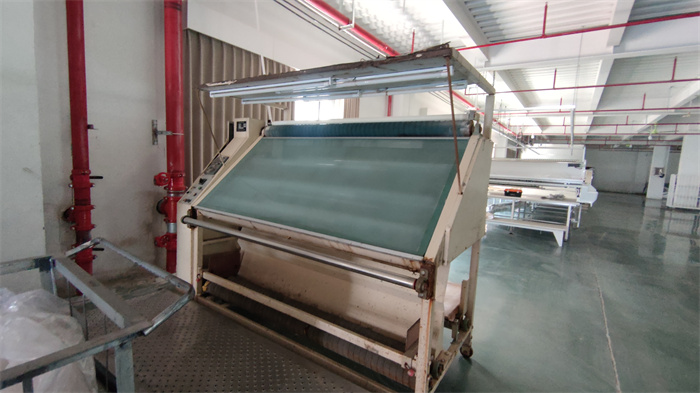
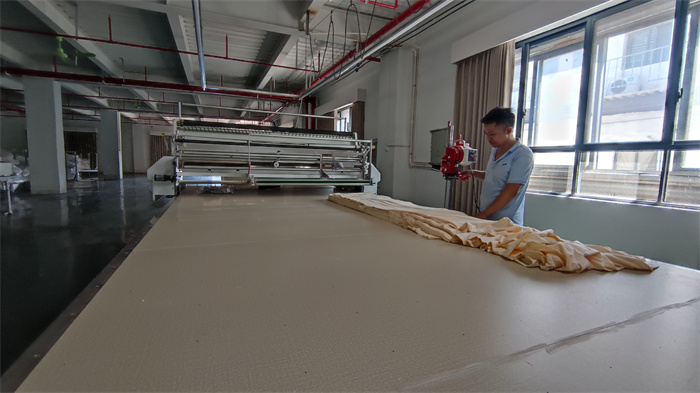
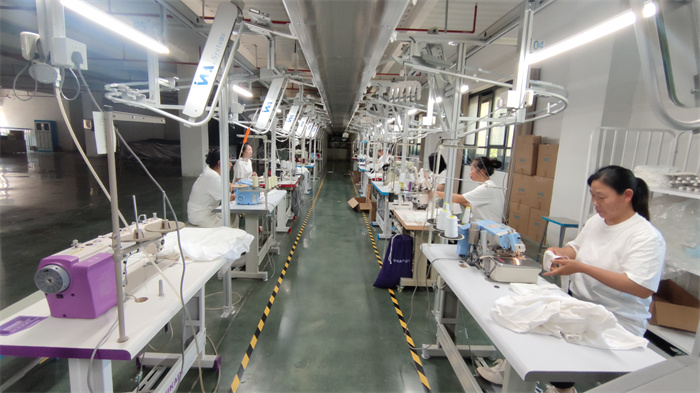
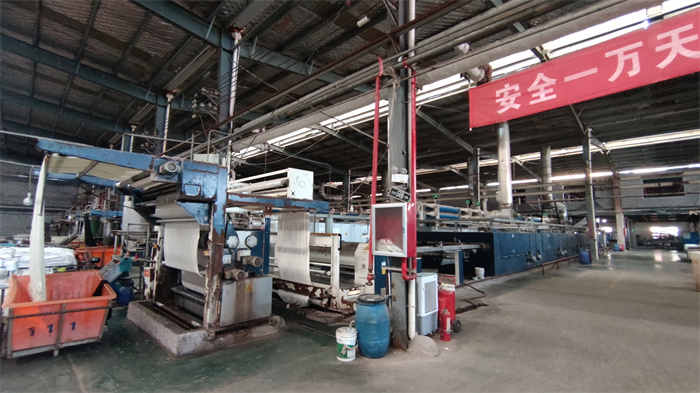
How specialized factory configurations align with distinct global market requirements.
Enterprise buyers require consistent fabric colors across runs, high tensile strength to withstand industrial washing, and cost-effective production. For these clients, we focus on high-durability polyester-cotton blends (65/35 or 60/40) treated with liquid ammonia or wrinkle-resistant finishes. This ensures shape retention, comfortable wear, and durability during long shifts.
Fashion-forward brands focus heavily on specific fabric weights, custom dye colors, and precise drape. We address these requirements with heavyweight cotton (240-300 GSM), drop-shoulder patterns, custom pigment washes, and embroidered detailing. Our flexible sampling setup allows designers to test new fits and fabrics before starting bulk production.
Athletic and athleisure brands need lightweight, breathable, and elastic fabrics. We use modern synthetics blended with spandex, flatlock stitching to reduce chafing, and moisture-wicking technology. This creates functional garments suitable for both workout settings and casual daily wear.
High-end labels demand detailed finishing, such as single-needle side seams, removable collar stays, mother-of-pearl buttons, and patterns aligned with fabric motifs (e.g., plaids and stripes). We deploy our most experienced tailors and dedicated quality control teams to ensure these standards are met.
Modern garment production is increasingly shaped by automation and sustainable practices. Advanced factories utilize CAD-integrated nesting programs to optimize fabric layouts, significantly reducing scrap material. We also prioritize eco-conscious processes, using OEKO-TEX certified pigments and implementing water-recycling systems in our dyeing lines to reduce overall environmental impact.
A structured, collaborative approach from initial design review to bulk logistics.
For designers, founders, independent labels, and KOL-driven fashion projects, we act as both a technical partner and an execution extension of their creative team.
Our collaboration typically includes:
Core Belief: At Eglin Fashion, we are not driven by short-term hype or seasonal spikes. We are driven by consistency, clarity, and buildable identity. We produce clothing—but more importantly, we help brands turn intention into structured reality.
Direct, technical answers to common questions regarding global apparel manufacturing and logistics.
Our standard MOQ is typically 100 to 300 pieces per style/color, depending on fabric availability. If you choose standard in-stock colors, we can often accommodate smaller initial trial runs. For custom-dyed fabrics or specific blends, the MOQ is determined by the minimum dye lot requirements of our textile mill partners.
Every batch of raw fabric undergoes standard pre-production testing. This includes wash tests to measure shrinkage (aiming for less than 3% in knits and under 1.5% in wovens) and crocking tests to evaluate wet and dry colorfastness. We wash-shrink fabric panels prior to cutting when necessary to maintain dimension stability.
Yes. Our pattern team can reverse-engineer patterns directly from a physical sample. We digitize these measurements into CAD systems, generate grading scales, and produce a paper pattern. However, providing a basic tech pack alongside sample garments helps speed up the development process.
Prototypes and sample patterns are usually completed in 7 to 10 working days. Once the sample is approved and fabrics are secured, bulk production takes about 25 to 45 days. The exact timeline depends on the complexity of the design, embellishments, and current order volume.
We use an integrated quality control system. Fabric is inspected upon arrival, inline checkers monitor sewing parameters on the floor, and a final quality audit is conducted on all finished garments before packaging. This process helps us keep our defect rate below 0.5%.
Review our collection of streetwear, custom outerwear, tailored pants, and casual wear.
 Eglin Fashion