Explore our premium product portfolio integrating technical textiles, modern silhouettes, and high-performance tailoring.
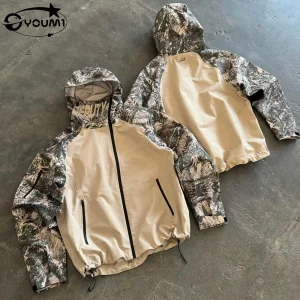

Understanding user intent and macro market shifts in the technical outerwear segment.
The bomber jacket, originally designed for military pilots during WWI and WWII, has evolved into one of the most resilient staples of global street culture, high fashion, and workwear. For contemporary B2B buyers—ranging from independent streetwear labels to major retail chains—the product category is no longer defined merely by nylon shells and ribbed cuffs. Instead, it represents a complex intersection of technical execution, sustainability, and smart apparel tech.
Key drivers behind this massive growth include:
Rising consumer preferences for Recycled Nylon, ECONYL, organic cotton linings, and PFC-free Durable Water Repellent (DWR) coatings. Brands require circular manufacturing routes to meet ESG targets.
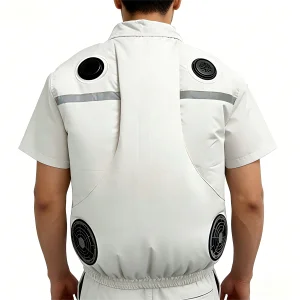
Smart designs featuring integrated heating elements, Peltier cooling systems, and multi-functional pocket compartments configured for modern utility (smartphones, RFID wallets, passport storage).
Shorter fashion life-cycles demand rapid prototyping and quick replenishment loops. Top manufacturers are moving away from traditional 180-day lead times to agile 30-to-45-day cycles.
B2B buyer's framework for auditing, scoring, and selecting strategic industrial sewing partners.
When selecting a bomber jacket manufacturer, brands must look beyond price per unit (FOB). The core capabilities that differentiate world-class exporters lie in their Silhouette Engineering, Pattern Logic, and Fabric Intelligence. Below are the key evaluation parameters used by top procurement professionals:
| Evaluation Parameter | Standard Benchmark | Why it Matters for Bomber Jackets |
|---|---|---|
| Seam Sealing & Water Resistance | Hydrostatic pressure > 5,000 mm | Ensures windproof outerwear performs in extreme weather. |
| Pattern & Silhouette Engineering | CAD-CAM graded dimensional tolerance < 3mm | Ensures balanced shoulder drape and sleeve-to-body proportion. |
| Hardware Reliability | YKK/SBS auto-lock metal zippers only | Outerwear failure is 80% attributed to zipper malfunctions. |
| Eco-Compliance (ESG) | BSCI, WRAP, OEKO-TEX Standard 100 | Non-negotiable for US & EU customs clearance and retail compliance. |
Company Introduction: Dongguan Eglin Fashion Co., Ltd. is not just a traditional apparel manufacturer—it is a modern garment development and production partner built on the integration of aesthetic understanding, technical execution, and rapid response capability.
In an era driven by trends, noise, and overexposure, we choose to return to essentials: silhouette, proportion, and material integrity. We believe meaningful garments do not rely on loud statements, but on precision, restraint, and consistent design logic.
At Eglin Fashion, our philosophy can be summarized as: reduce excess, refine structure, and strengthen execution. Instead of layering unnecessary references, we focus on clarity in construction, fabric selection, and finishing details—ensuring every product communicates a coherent visual and tactile language.
Dongguan Eglin Fashion Co., Ltd. operates as more than a production facility. We function as a development system that bridges creative direction with scalable manufacturing.
We understand the operational rhythm of contemporary streetwear and emerging brands, and translate that into structured production logic:
For designers, founders, independent labels, and KOL-driven fashion projects, we act as both a technical partner and an execution extension of their creative team.
Our collaboration typically includes:
We do not simply “produce garments.” We help translate ideas into systems that can be reliably repeated, improved, and scaled.
At Eglin Fashion, we are not driven by short-term hype or seasonal spikes. We are driven by consistency, clarity, and buildable identity. We produce clothing—but more importantly, we help brands turn intention into structured reality.
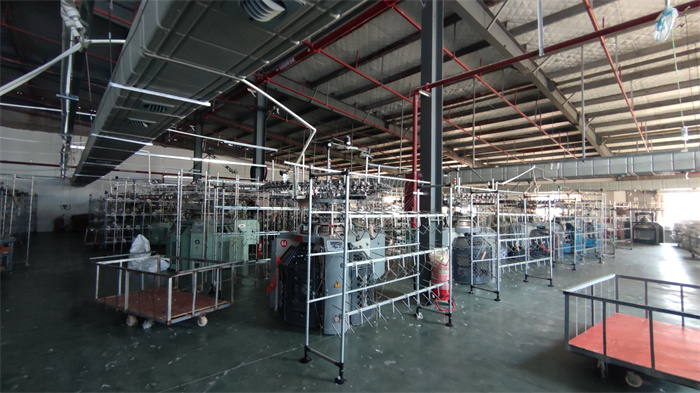
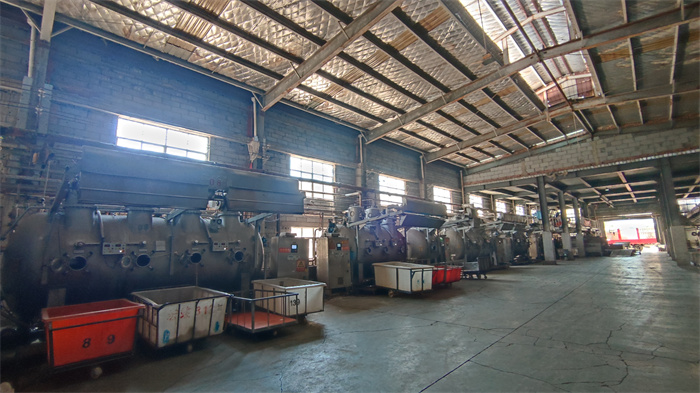
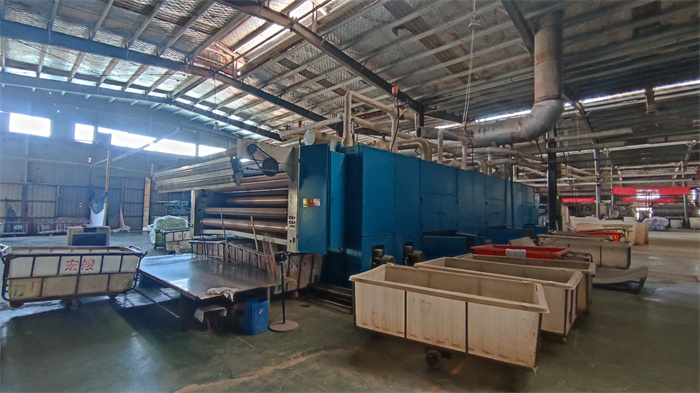
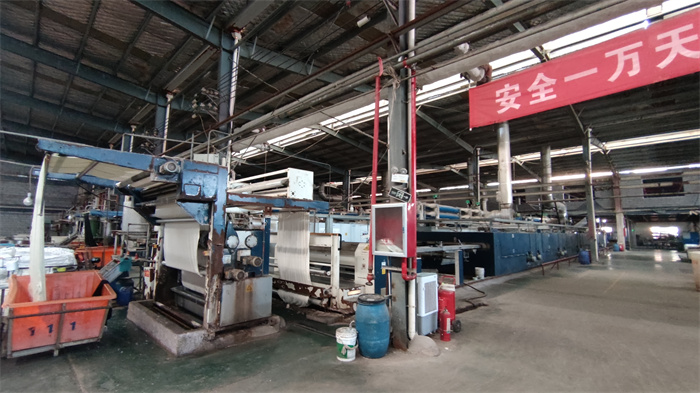
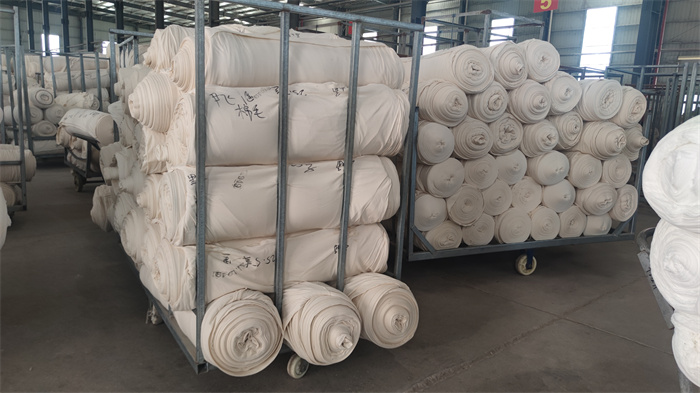
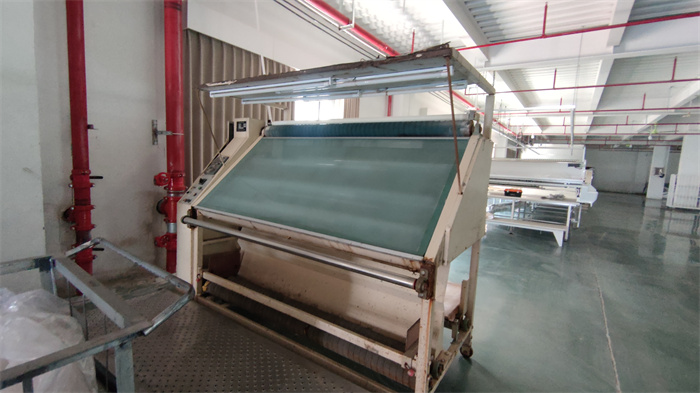
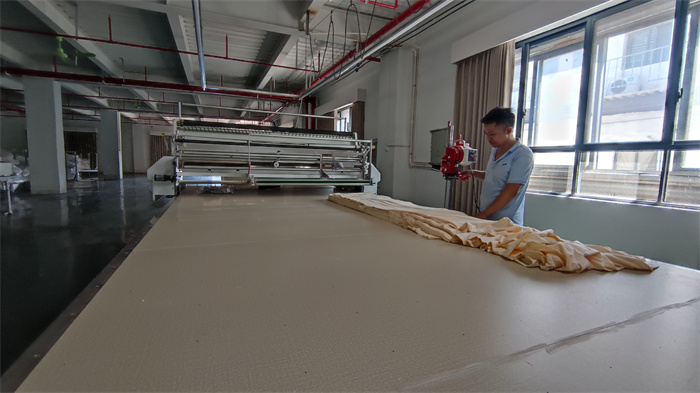
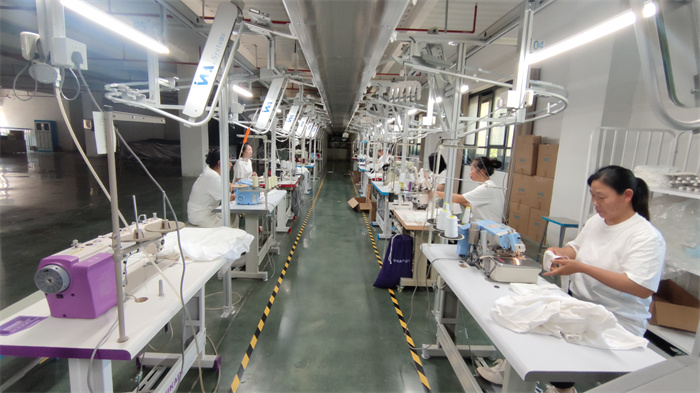
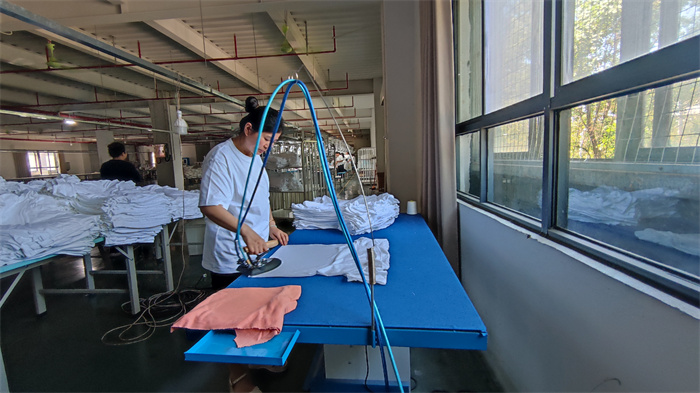
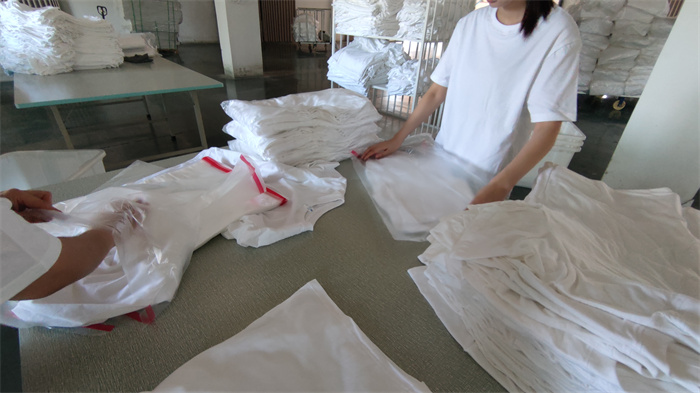
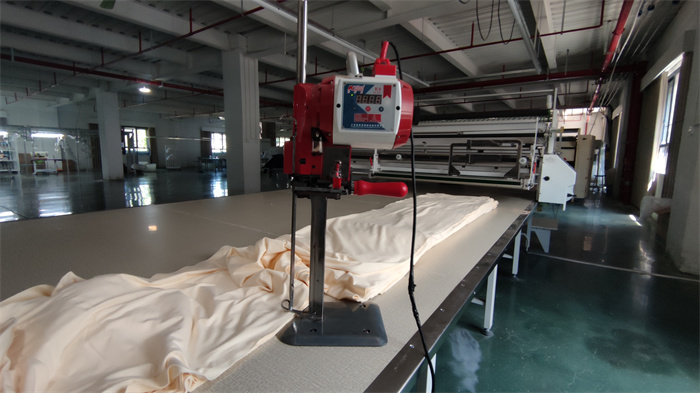
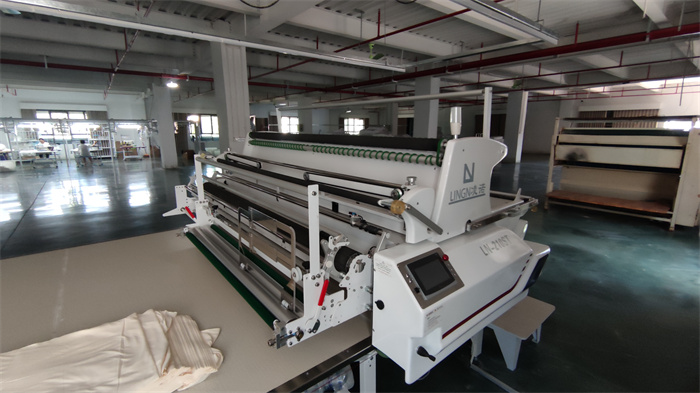
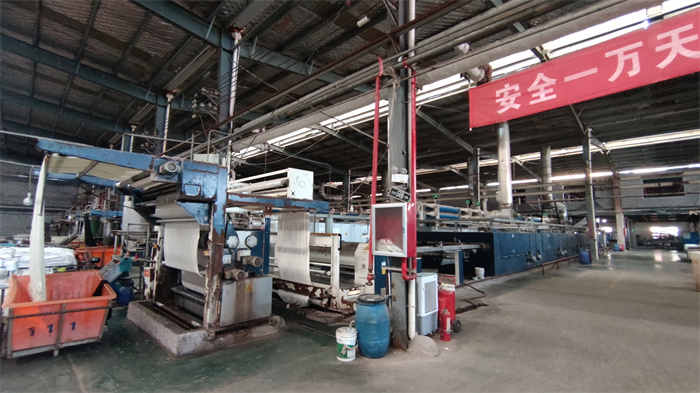
A step-by-step visual demonstration of Dongguan Eglin Fashion's end-to-end technical apparel line.
Addressing supply chain risks, tariffs, shipping logistics, and quality assurance at scale.
International apparel buyers face unprecedented macro-economic pressures. Rising shipping container costs, unpredictable regional shutdowns, changing tariff structures under USMCA and EU trade agreements, and fluctuating cotton/polyester index prices threaten margins. To survive, global procurement managers need resilient supply chain strategies.
While low-cost production centers exist in Southeast Asia, China remains the ultimate hub for technical outerwear. With its complete chemical, raw yarn, textile, dyeing, and shipping ecosystem, factories in regions like Dongguan can assemble and ship custom jackets faster than any other global region. Savvy buyers maintain primary production bases in Dongguan for design-heavy complex jackets and split basic jersey sewing to emerging markets.
By leveraging Eglin Fashion's direct partnerships with fiber spinning mills (Weaving, Dyeing, and Drying departments), brands lock in low synthetic fiber costs early. This keeps B2B margins stable even when global petroleum prices impact polyester and nylon rates.
In traditional setups, tech pack translation errors lead to sample revision cycles taking months. Eglin Fashion relies on a modern Product Lifecycle Management (PLM) system. 3D digital simulation of garment fits minimizes pattern adjustments, saving thousands of dollars in material waste and physical delivery times.
Minimizing customs friction, maximizing tariff exemptions, and auditing factories for ethical practices.
Proper HTS Code classification (e.g., Chapter 62 for synthetic outerwear) prevents costly delays at US, EU, and UK borders. Eglin Fashion provides fully audited commercial invoices, packing lists, and Certificates of Origin.
Consumers demand supply chain transparency. Production lines strictly adhere to fair wage policies, prohibition of child labor, safe working environments, and hazardous chemical management schemes (REACH compliant).
Utilizing Free Trade Agreements (FTAs) and bonded logistics pathways. We work directly with customs brokers globally to guide our partners through tariff exclusions and duty drawback program filing structures.
The transition toward smart apparel manufacturing, zero-waste patterning, and circular materials.
The next decade of outerwear manufacturing is defined by three fundamental paradigms. Brands that integrate these technical updates early will achieve a distinct Information Gain advantage on search engines and retail floors alike.
Advanced bomber jackets will feature integrated, flexible Graphene heaters powered by micro-USB power banks, or Peltier cooling structures as highlighted in modern technical outdoor vests. This eliminates the barrier between active winter wear and lightweight spring windbreakers, allowing a single style SKU to serve multiple climate markets.
Through automatic cloth laying machines and AI-driven nested marker layouts, fabric utilization will shift from the traditional 82% efficiency mark to over 96%. This drastically lowers fabric waste (and cost per unit) while reducing the carbon footprint of every bomber jacket batch.
Designing jackets for monomaterial recyclability—meaning all components (nylon shell, polyester insulation, polyester sewing thread, and polyacetal zippers) are made from the same synthetic polymer group. This allows the consumer to recycle the entire garment at end-of-life without complex disassembly.
Expert answers addressing the core concerns of apparel sourcing agents and supply chain directors.
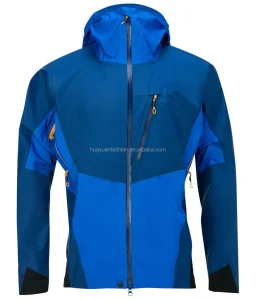
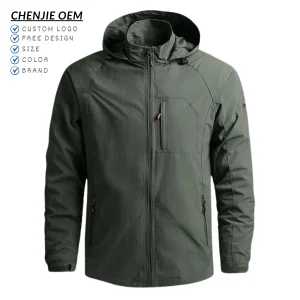
Explore our specialized range of high-performance jackets, sportswear, and industrial-grade production machinery.
 Eglin Fashion