In the hyper-competitive global apparel market, bodysuits have transitioned from niche undergarments and classical dancewear into a foundational category of contemporary womenswear, activewear, and shapewear. Today's search intent for "Top 10 Bodysuits Supplier & Exporters" is no longer just about discovering suppliers with standard stitching layouts. Global procurement officers, product directors, and independent DTC brand founders are actively looking for suppliers capable of solving complex technical hurdles: seamless knitting execution, ergonomic compression contouring, stable high-elastane dye matching, and supply chain scalability.
As the digital ecosystem shifts towards semantic search engine dynamics, search queries seek comprehensive authority, manufacturing transparency, and direct engineering capabilities. A reliable B2B partner must display an understanding of fiber science, physical stretch ratios, and global compliance parameters. This document serves as an industry-grade white paper, highlighting the structural advantages, raw material capabilities, and operational systems that position leading Chinese apparel exporters at the absolute vanguard of the bodysuit manufacturing space.
Dongguan Eglin Fashion Co., Ltd. is not just a traditional apparel manufacturer—it is a modern garment development and production partner built on the integration of aesthetic understanding, technical execution, and rapid response capability. In an era driven by trends, noise, and overexposure, we choose to return to essentials: silhouette, proportion, and material integrity. We believe meaningful garments do not rely on loud statements, but on precision, restraint, and consistent design logic.
At Eglin Fashion, our philosophy can be summarized as: reduce excess, refine structure, and strengthen execution. Instead of layering unnecessary references, we focus on clarity in construction, fabric selection, and finishing details—ensuring every product communicates a coherent visual and tactile language.
Dongguan Eglin Fashion Co., Ltd. operates as more than a production facility. We function as a development system that bridges creative direction with scalable manufacturing. We understand the operational rhythm of contemporary streetwear, luxury fashion, and emerging brands, and translate that into structured production logic:
Refining pattern-making to achieve balanced proportions, ergonomic contouring, and consistent multi-size fit performance across global consumer demographics.
Selecting and developing premium materials based on weight, drape, texture, recovery profile, and brand positioning, ensuring compatibility with the skin.
Using stitching, flatlocking, paneling, washing, and trims to reinforce garment identity, enhance physical durability, and minimize friction against the body.
For designers, corporate sourcing buyers, independent labels, and high-growth DTC fashion projects, we act as both a technical partner and a scalable extension of their in-house creative teams. Our collaboration typically includes:
We do not simply "produce garments." We help translate creative ideas into modular manufacturing systems that can be reliably repeated, improved, and scaled globally.
When sourcing bodysuits at scale, geographic manufacturing clusters play a decisive role in lead times, raw material sourcing, and price optimization. The Pearl River Delta, specifically the Dongguan and Guangzhou apparel cluster, offers unparalleled supply chain advantages for manufacturing high-stretch, shape-fitting garments:
Immediate access to advanced synthetic fibers (Lycra, nylon-spandex blends, Modal, and eco-certified recycled polyesters) ensures that custom fabric requests can be color-matched and knitted in days rather than weeks.
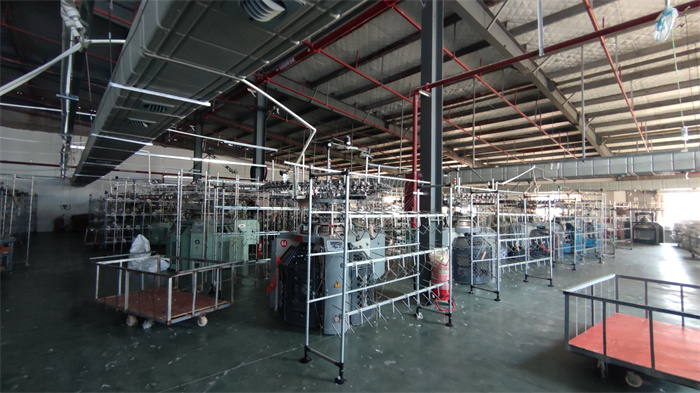
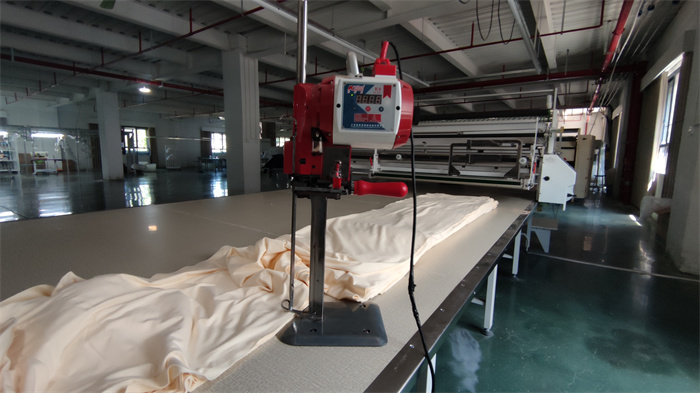
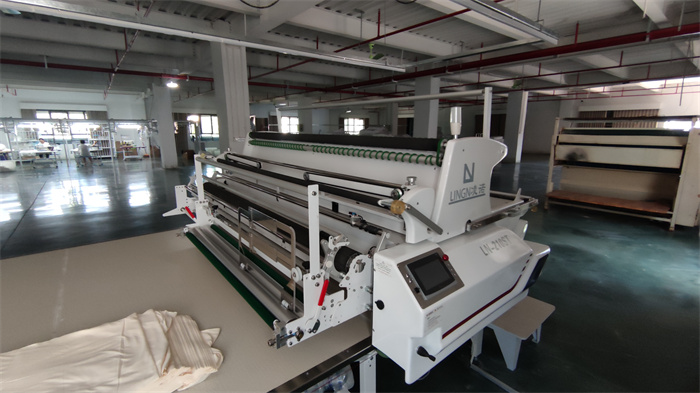
Equipped with computerized circular knitting machines, laser cutters, automatic laying machinery, and specialized flatlock stitching equipment to execute flat, irritation-free seams essential for high-performance bodysuits.
Executing the crotch snaps, gusset alignments, and double-layer lining integrations on bodysuits requires high manual dexterity and experience, ensuring minimal defect rates and high structural integrity.
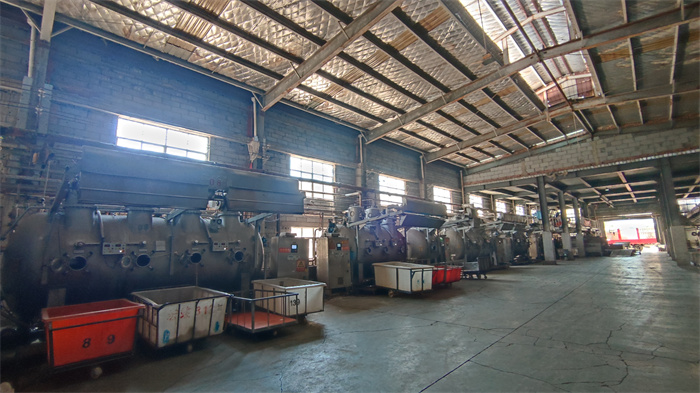
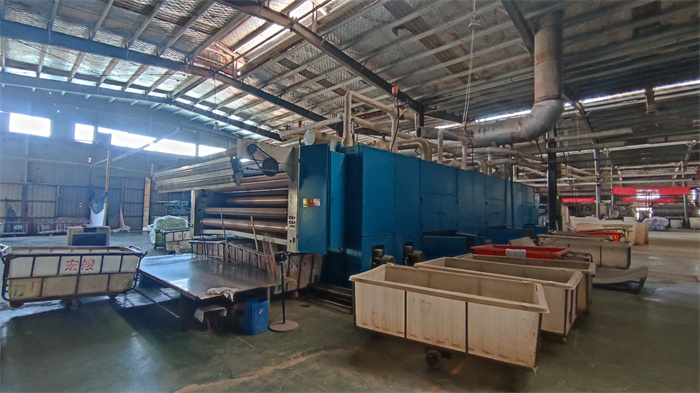
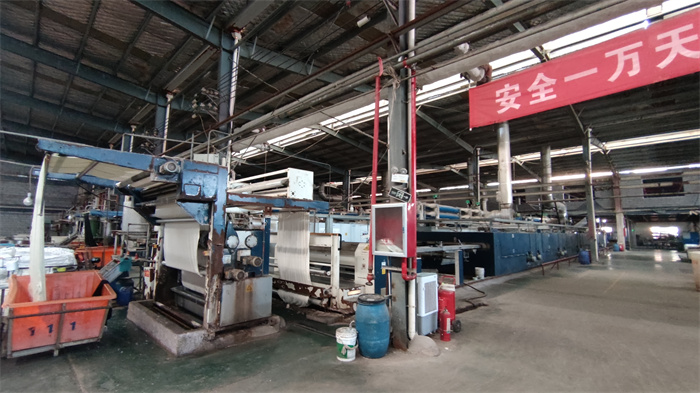
Furthermore, Chinese exporters are leaders in adopting eco-friendly standards. In response to global regulatory environments, factories have optimized wet-processing stages, minimizing water waste during dyeing cycles, and shifting toward certified non-toxic dyes that comply with Oeko-Tex Standard 100 guidelines.
Bodysuits are uniquely versatile, operating at the intersection of several high-growth fashion sub-sectors. Modern product lines must adapt to localized consumer scenarios across international markets:
Designed for high-intensity movement, yoga, and gymnastics. These bodysuits utilize high-compression fabric matrices (75% Nylon, 25% Spandex) with moisture-wicking and anti-microbial treatments, ensuring breathability under stress.
Focuses on target zone compression (abdomen, waist, and hips). Utilizes variable-knit structures to mold the silhouette without creating discomfort, utilizing bonded lay-flat edges for zero-visibility under outer clothing.
Styled as structural tops (mock-necks, square-necks, and off-shoulder silhouettes) that tuck seamlessly into high-waist trousers or denim. Key focus is on fabric hand-feel, rich drape (often utilizing Modal or organic cotton blends), and double-layer non-see-through bust panels.
Prioritizes extreme tactile comfort and thermoregulation. Utilizes rib-knit cottons, micro-modal, or bamboo-derived viscose fibers. Designed with soft, flat seams and flexible snap closures for all-day indoor wear.
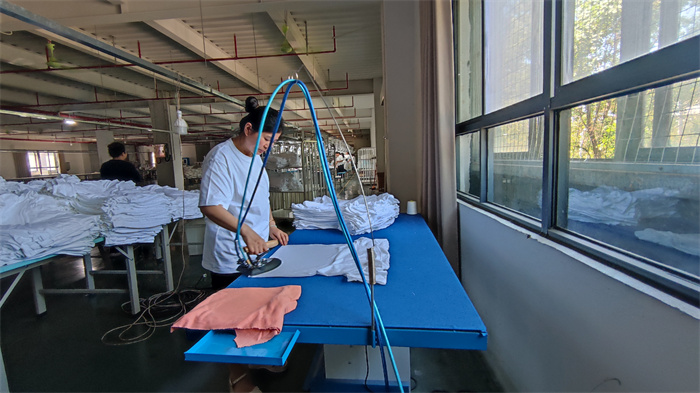
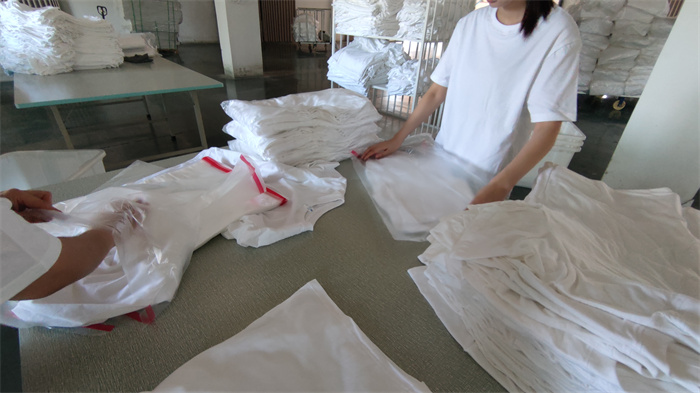
A transparent, auditable supply chain is a hallmark of E-E-A-T. Here we detail the step-by-step production flow within our integrated manufacturing system. Each phase is strictly audited to ensure complete material consistency from initial fiber sourcing to final container loading.
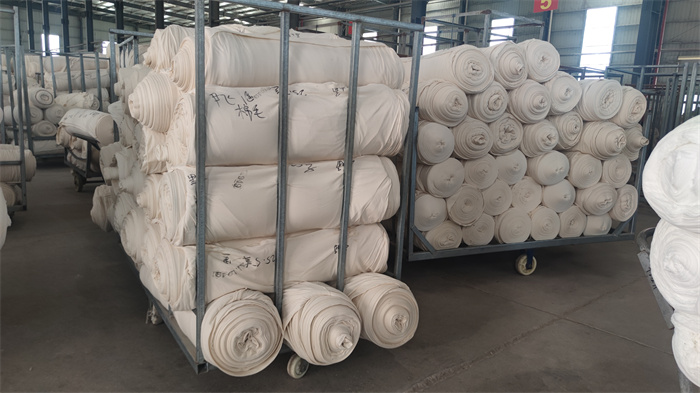
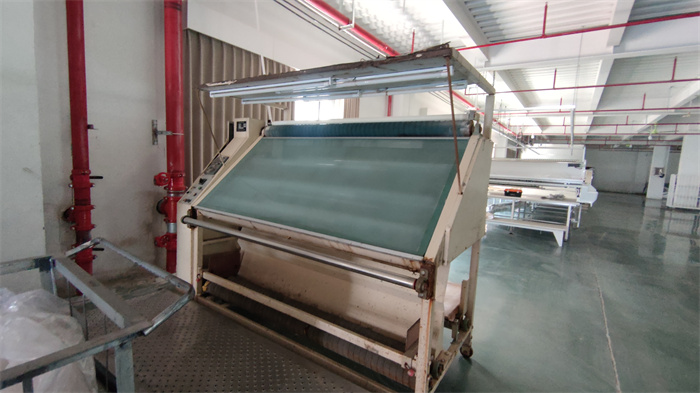
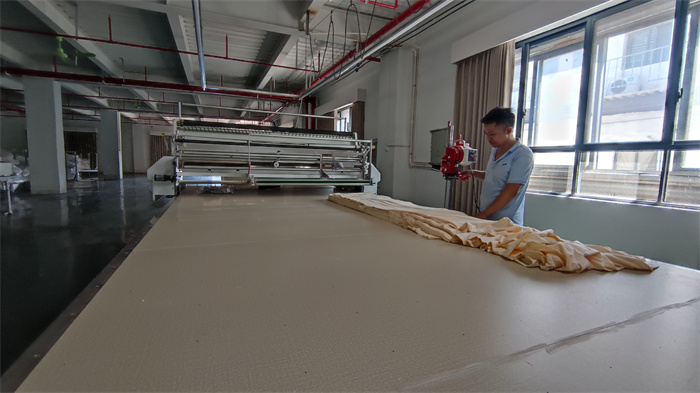
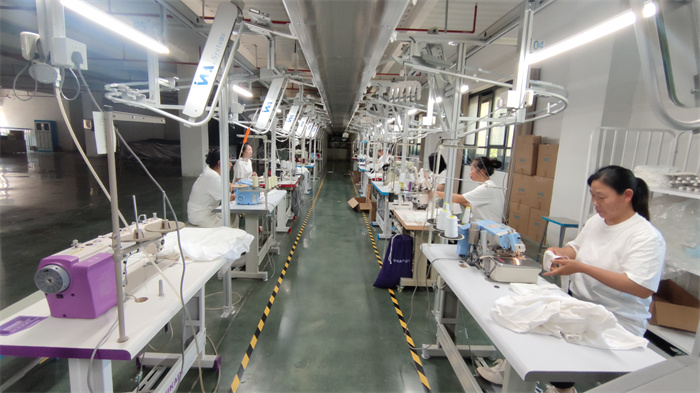
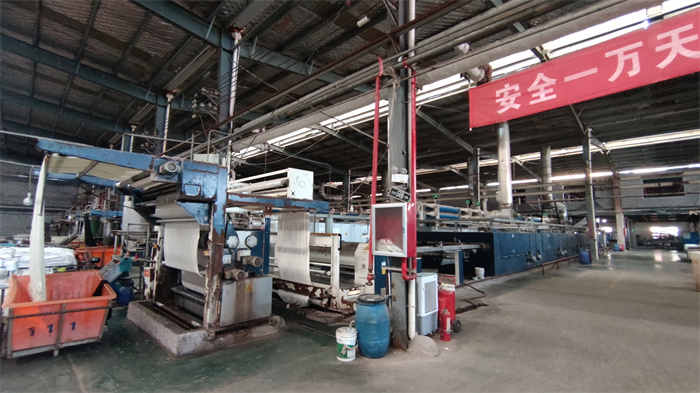
International apparel procurement involves navigating multi-faceted risk vectors: supply continuity, social compliance audits, chemical restrictions, and logistical predictability. High-volume bodysuit buyers (specifically those sourcing for retailers in North America, Europe, and Japan) evaluate prospective manufacturers against rigorous criteria:
Major retailers require factories to be audited by third-party protocols such as BSCI (Business Social Compliance Initiative), WRAP (Worldwide Responsible Accredited Production), or SMETA. These ensure fair wages, safe workplaces, and regulated working hours.
Because bodysuits are worn directly next to the skin, materials must comply with REACH (EU) and TSCA (US) chemical limits. Leading factories supply Oeko-Tex Standard 100 Class I certificates, proving zero detection of harmful azo dyes, formaldehydes, or heavy metals.
With the rising enforcement of the Uyghur Forced Labor Prevention Act (UFLPA) in the US and the Supply Chain Due Diligence Act in Europe, factories must trace yarn-forward sourcing pathways, verifying raw cotton or synthetic polyester origins from raw chip to final garment.
By partnering with Eglin Fashion, global buyers secure a reliable, fully documented path to retail distribution. Our internal quality assurance framework executes standardized tensile strength, colorfastness (grade 4-5 minimum under wet and dry rub tests), and fiber composition tests prior to shipment, generating a traceable audit trail that protects your brand from recall liabilities.
We address the most common technical questions asked by global apparel buyers and sourcing teams.

 Eglin Fashion