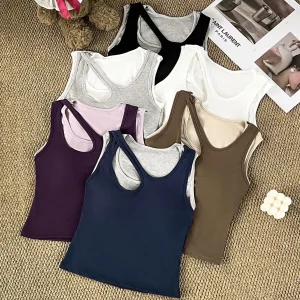
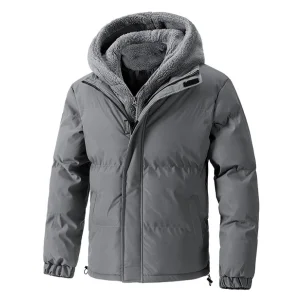
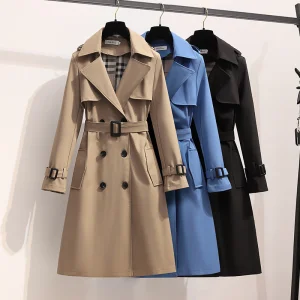
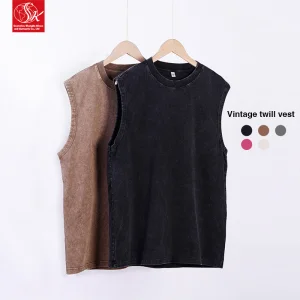
The hooded jacket is no longer merely an element of utility sportswear. In the modern globalized market, it functions as a convergence point for active performance, premium streetwear aesthetics, and structural technical wear. Consumer demand shifts rapidly toward products that present both high textile durability and exceptional tailored forms.
Recent developments in global retail confirm a structural shift: the modern consumer values technical functionality—such as thermal regulation, moisture management, and hydrophobic coatings—without compromising on clean silhouettes. As a result, global fashion systems demand that OEM factories provide comprehensive support: from textile research and development to dynamic pattern engineering that withstands real-world stress testing.
This technical evolution is also driven by Gorpcore and urban-utility aesthetics, which demand complex paneling, seam sealing, and sustainable waterproofing technologies (like PFC-free DWR finishes). For distributors and brands, sourcing hooded jackets is now an exercise in evaluating a factory's material engineering capabilities and its capacity to manage elastic production schedules.
At Dongguan Eglin Fashion Co., Ltd., we occupy this exact nexus: translating progressive aesthetic ideas into scalable industrial reality. Our physical lines are engineered to handle the complexities of multi-fabric integration, modern insulation layers, and precise structural details that ensure prolonged garment lifespan.
Winning the technical outerwear space requires more than basic pattern matching. Brands must deploy composite materials—such as laminating wind-resistant membranes onto recycled heavy cotton fleece—to achieve structured visual weight while delivering actual climate insulation. Eglin Fashion's engineering framework enables rapid sampling of these complex configurations, shortening time-to-market by up to 35%.
Enterprise B2B buyers—ranging from corporate procurement directors to brand founders and independent retail network managers—face significant challenges in modern supply chain management. Ensuring consistent quality, maintaining compliance with regional environmental standards, and managing lead times are the foundational pillars of successful global sourcing.
Maintaining zero-defect levels across high-volume production runs. Ensuring uniform stitching density, color consistency, and trim endurance.
Adhering to international textile regulations (OEKO-TEX, REACH, and GRS). Guaranteeing non-toxic processing and verifiable raw material tracking.
Operating under lean, agile production frameworks to minimize inventory overhead while ensuring timely seasonal product rollouts.
Requiring dynamic technical input from patterns and fabric experts to refine sketches into manufacturable structures without losing identity.
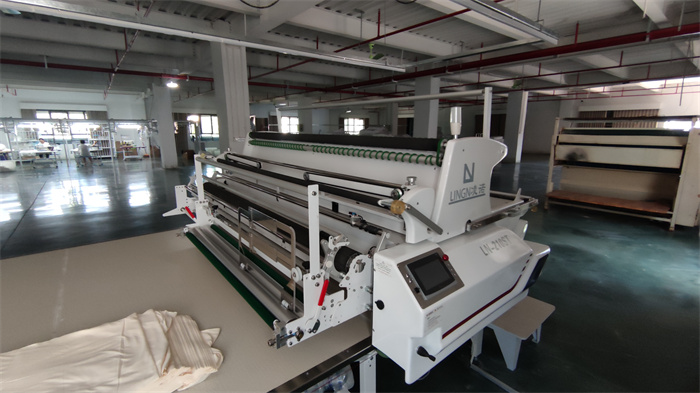
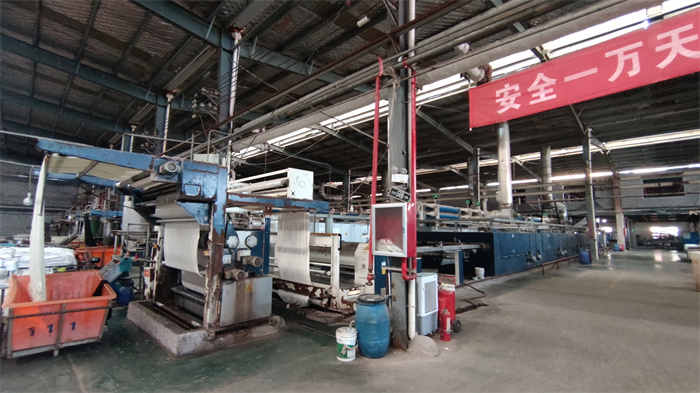
Dongguan, Guangdong stands as the historic epicenter of global apparel manufacturing. However, Eglin Fashion has redefined this footprint through the implementation of Factory 4.0 methodologies—integrating advanced digital patterns, precision machinery, and dynamic production lines.
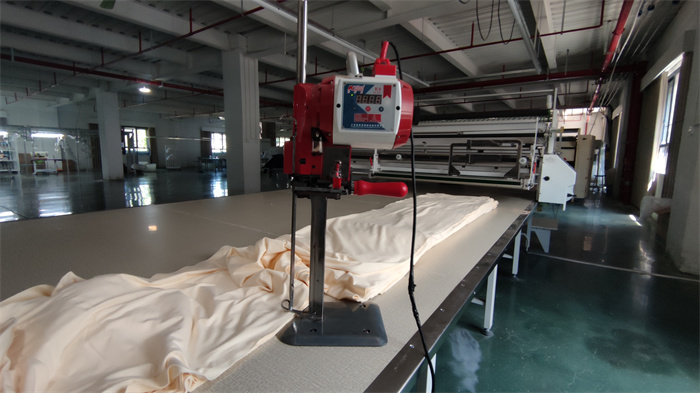
By shifting from analog operations to digital systems, we achieve a degree of process optimization that standardizes quality across small, medium, and high-volume runs. Every roll of fabric is checked for tension, shrink tolerance, and color drift using modern sensors prior to entering the automated laying and cutting stages.
Our geographic proximity to the world's most dense yarn, dye, and accessory supply hubs in Southern China grants our clients a distinct structural advantage. We mitigate logistics shocks by sourcing locally while maintaining deep relationships with global custom-trim manufacturers.
This localized cluster efficiency means that complex fabrications—including custom-dyed, heavyweight French terrys, and high-tensile ripstop nylon—can be developed, matched, and routed into sewing lines far faster than fragmented regional operations can manage.
Dongguan Eglin Fashion Co., Ltd. operates as more than a production facility. We function as a development system that bridges creative direction with scalable manufacturing. We understand the operational rhythm of contemporary streetwear and emerging brands, and translate that into structured production logic:
Refining pattern-making to achieve balanced proportions and consistent fit performance, focusing on how drapes fall across body types in movement.
Selecting raw materials based on weight (GSM parameters), drape characteristics, tactile density, and target market positioning.
Employing flatlock stitching, reinforced paneling, complex wash steps, and custom trims to build lasting garment structural integrity.
Accelerating the workflow from hand-drawn concept or CAD designs to technical samples and bulk production runs with tight tolerance controls.
For designers, independent labels, founders, and large retail networks, Eglin Fashion acts as an extended technical and production department. We manage manufacturing complexities so you can focus on building brand equity. We believe meaningful garments do not rely on loud statements, but on precision, restraint, and consistent design logic.
Evaluating design drafts from an engineering standpoint to ensure that seam points, zipper placements, and hood weights are structurally sound.
Adjusting measurements to maximize fabric utilization rates while ensuring comfortable range-of-motion metrics across sizing structures.
Balancing custom accessory procurement with production run sizing to maximize margins without downgrading primary material standards.
Providing support models that start with manageable dynamic runs and transition smoothly to large bulk logistics as your brand footprint scales.
At Eglin Fashion, we are not driven by short-term hype or seasonal spikes. We are driven by consistency, clarity, and buildable identity. We produce clothing—but more importantly, we help brands turn intention into structured reality.
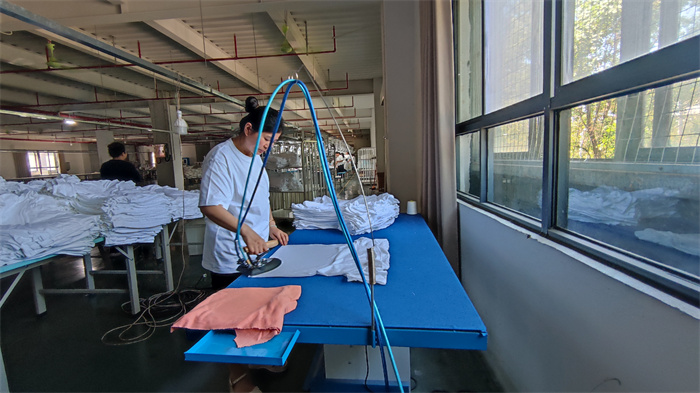
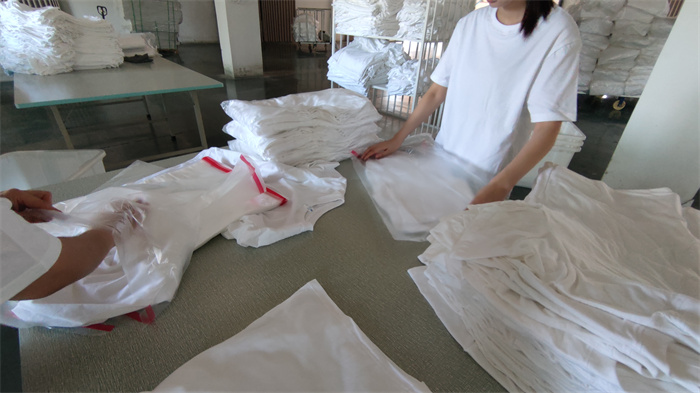
Our state-of-the-art facilities maintain rigorous process metrics at every stage. We trace raw yarn through weaving, specialized finishing, automated cutting, skilled assembly, and strict multi-phase quality inspections.
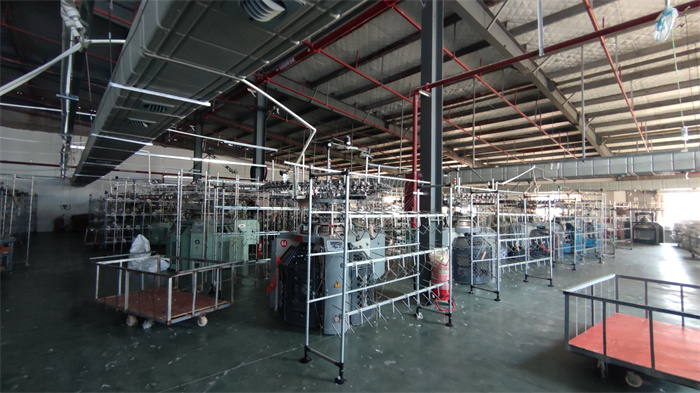
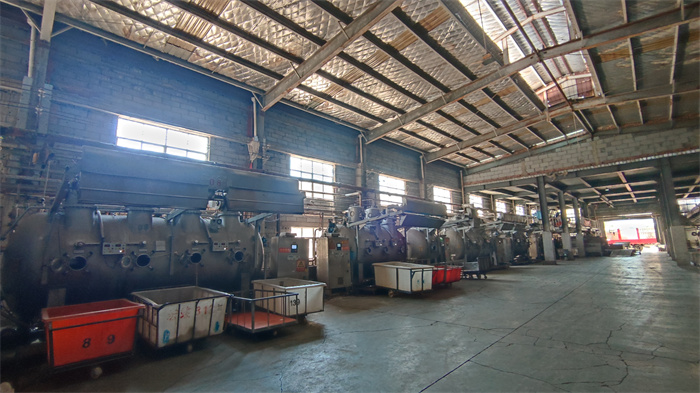
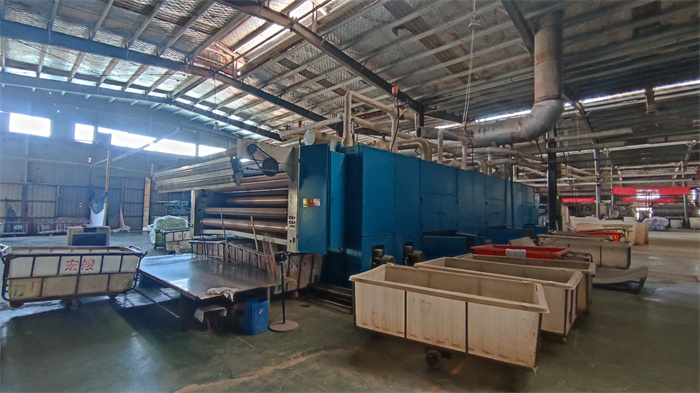
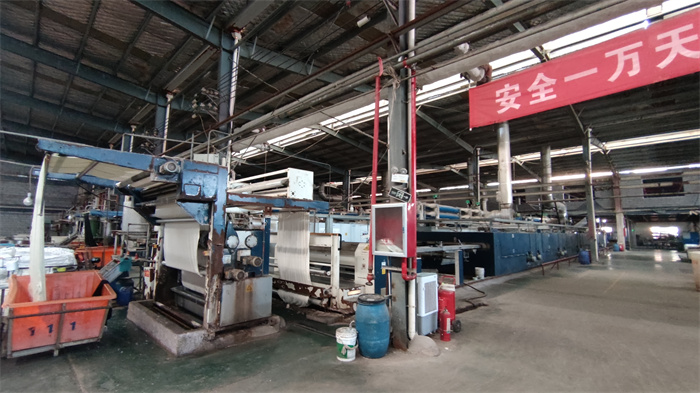
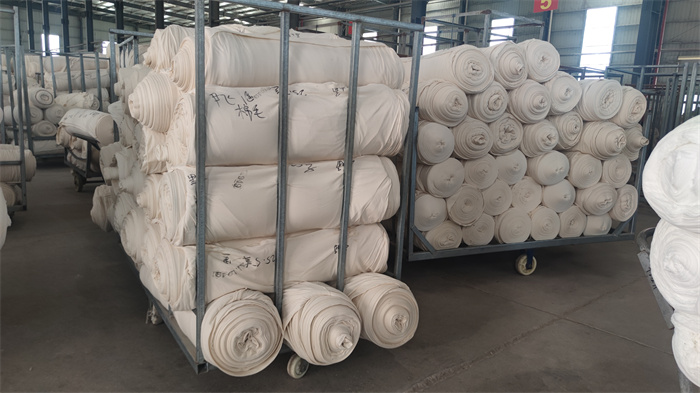
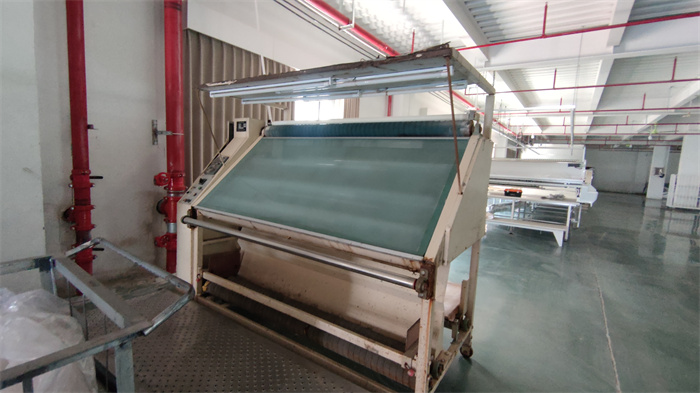
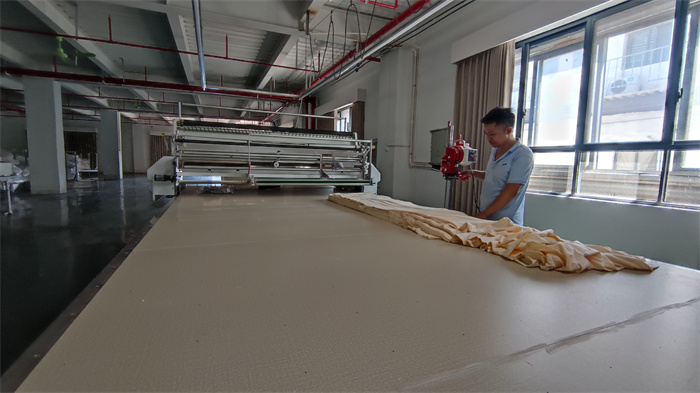
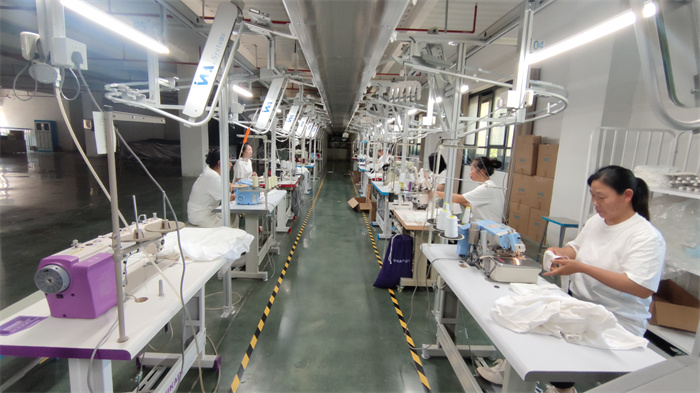
Different geographic markets present unique technical criteria for hooded jackets. A single standard is insufficient for global requirements. We tailor fabric weights, finishes, and fits to align with the specific demands of local environments.
Prioritizes heavyweight cotton-poly blends (400-500 GSM), oversized drop-shoulder fits, and pre-shrunk washes, tailored for urban streetwear and casual cold-weather wear.
Emphasizes sustainable organic or recycled fibers (GRS certified), fitted ergonomic pattern cuts, and refined minimalist trim detailing for luxury boutique appeal.
Requires advanced composite technical fabrics, featuring windproof and water-resistant membranes laminated to fleece backings, finished with taped seams.
Adapts to high humidity with lightweight, quick-dry, breathable fabrics (200-280 GSM) featuring UV-cut properties, optimized for active lifestyle wear.
Our custom manufacturing structures support scalable growth. Depending on design complexity and fabric requirements, our standard MOQs typically start at 100-300 pieces per style/color, allowing brands to launch products with optimized initial inventory risk.
We maintain strict dye-lot consistency controls utilizing spectrophotometer measurement systems. Standard lab dip processes are conducted under standardized lighting environments (D65, TL84) to eliminate metamerism issues across different fabric weights.
Yes. We source yarn and dyes exclusively from certified suppliers. We can provide standard test reports and compliance certificates for REACH, OEKO-TEX Standard 100, and Global Recycled Standard (GRS) according to your project's specific criteria.
We prioritize sampling efficiency. Digital patterns and prototype samples are typically delivered within 7 to 10 working days. Once samples are approved, bulk production is completed within 30 to 45 days, depending on fabric availability.
Yes. Our development system is built for fabric customization. We partner with specialized texturizing, weaving, and laminating facilities to engineer unique fabrics featuring specific attributes, including water-resistant coatings and mechanical stretch.
 Eglin Fashion