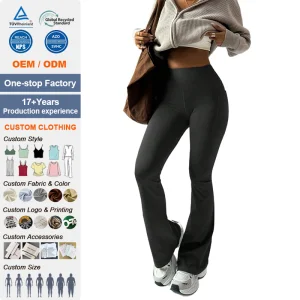
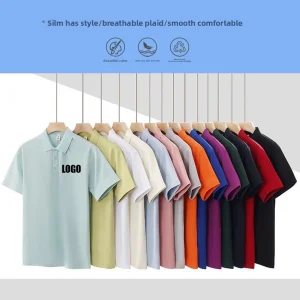
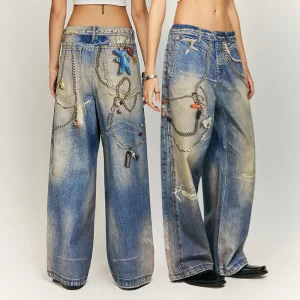
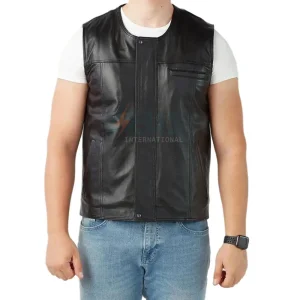
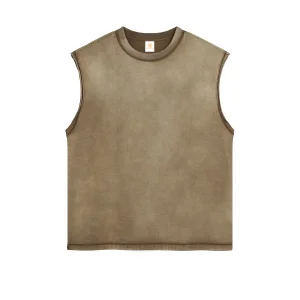
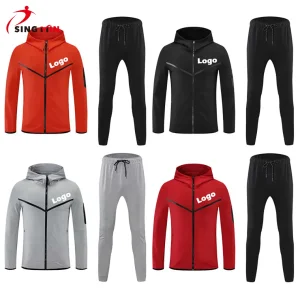
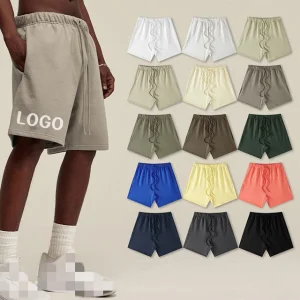
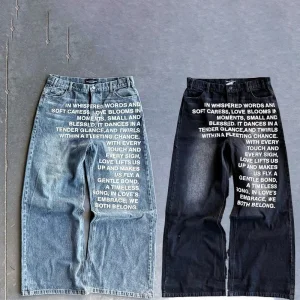
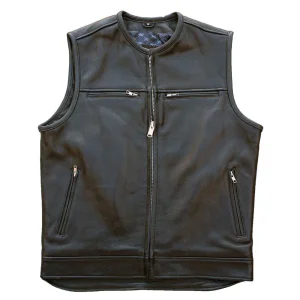
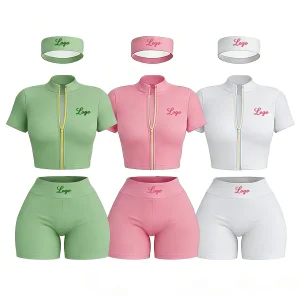
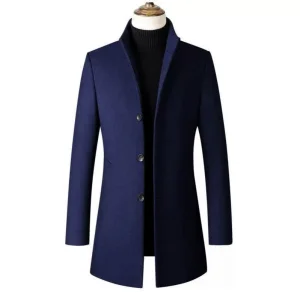
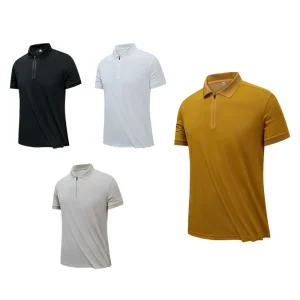
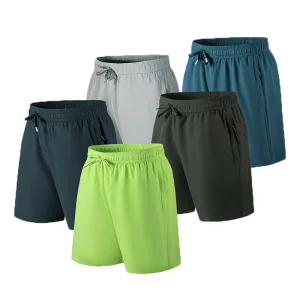
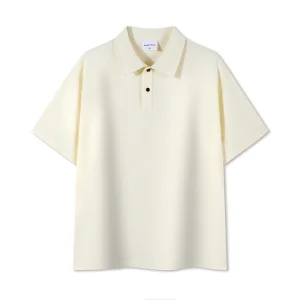
Explore Eglin Fashion's core custom engineered products tailored for commercial brands and safety-focused organizations.
Transforming complex design vision into structured garment engineering.
Dongguan Eglin Fashion Co., Ltd. is not just a traditional apparel manufacturer—it is a modern garment development and production partner built on the integration of aesthetic understanding, technical execution, and rapid response capability.
In an era driven by transient market hypes and supply chain overexposure, we choose to return to the core essentials: precise silhouette architecture, calculated fiber proportions, and raw material integrity. We believe that truly meaningful garments do not rely on loud graphics, but on structural precision, manufacturing restraint, and consistent technical design logic.
At Eglin Fashion, our core operating philosophy can be summarized as: reduce excess, refine structure, and strengthen execution. Instead of layering unnecessary references, we focus on absolute clarity in seam construction, custom fabric development, and premium finishing details—ensuring every production batch communicates a coherent visual and tactile language to consumers.
The transition from basic insulation to multi-climate thermodynamic barrier systems.
Modern performance wear relies heavily on the design parameters of the base layer. Serving as the primary contact with the human dermis, the base layer regulates humidity, manages surface temperatures, and minimizes micro-chafing. The global activewear, outdoor survival, and high-performance industrial uniform markets have transitioned from classical heavy wools or raw polyesters to complex bio-synthetic materials.
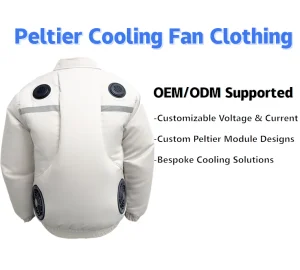
Currently, the market demands high thermal retention indices paired with minimum fabric weight (GSM). This structural demand is pushing manufacturers to adopt hollow-fiber weaving configurations, phase-change coatings (PCM), and intelligent thermal venting. Innovation is not confined to cold climates; the demand for heat-dispelling, moisture-wicking summer layers has grown. These incorporate cooling elements such as endothermic mineral treatments or active ventilation integrations like Peltier cooling and fan-assisted vests to keep workers safe under extreme solar indices.
Active and passive cooling elements, including ceramic micro-coatings and carbon-nanotube integrations designed for real-time heat dispersion.
Moving from virgin oil polyester to ocean-bound recycled plastics and biodegradable nylon, fulfilling GRS standardizations.
Silver-ion and biological non-leaching treatments applied at the molecular fiber stage to maintain permanent freshness over hundreds of washing cycles.
Understanding the strict criteria applied by commercial buyers and product directors.
Enterprise procurement professionals are no longer seeking simple cut-and-sew providers. They require vertically integrated manufacturing partners who can offset upstream supply-chain risks. When sourcing OEM base layers, procurement agents prioritize three critical pillars: Material Verification, Precision Engineering, and Reliable Compliance Protocols.
Furthermore, sourcing dynamics require a highly responsive partner who can design, refine, and ship samples in narrow seasonal windows. To help brands navigate varying regional demands, a successful OEM base layer factory must provide comprehensive technical datasheets, fiber certification clearances (such as OEKO-TEX Standard 100), and automated inspection reporting. The goal is to eliminate defective units before batch shipment, protecting brands from costly product recalls and negative consumer reviews.
"Procurement directors optimize for total landing cost, shipping speed, and consistency. A garment that fails to maintain fit standards after five wash cycles destroys consumer trust. Our execution model addresses this risk directly."
A Garment Manufacturing & Development System bridging design with scalable, high-performance production.
Dongguan Eglin Fashion Co., Ltd. operates as more than a production facility. We function as a development system that bridges creative direction with scalable manufacturing. We understand the operational rhythm of contemporary streetwear, luxury athleisure, and emerging technical brands, translating creative design concepts into structured, repeatable production steps:
Refining pattern-making to achieve balanced proportions, ergonomic body mapping, and consistent fit performance across diverse global sizing metrics.
Selecting materials based on precise weight (GSM), drape, multi-way stretch, texture, and individual brand market positioning.
Utilizing high-tensile stitching, flatlock paneling, specialized enzyme washing, and robust trims to reinforce brand identity and long-term product durability.
Accelerating the path from early design sketches to structural samples and bulk production runs without compromising detail consistency.
For designers, independent labels, corporate buyers, and dynamic fashion projects, we act as both a technical engineering partner and an execution extension of their creative team. Our collaboration typically includes:
We do not simply "produce garments." We help translate concepts into reliable manufacturing systems that can be repeatedly executed, optimized, and scaled.
A step-by-step tour through our production line, showcasing transparency and technical discipline.
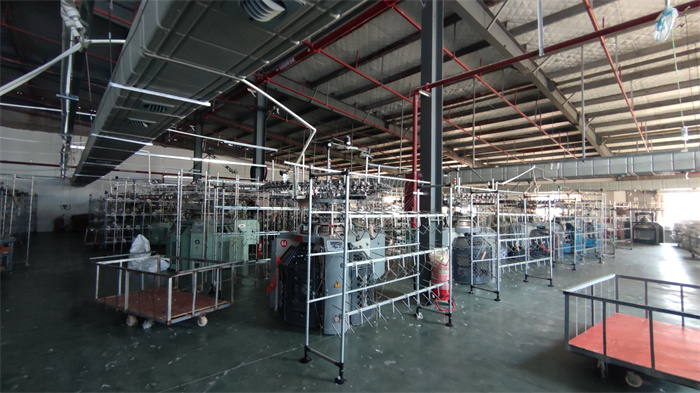
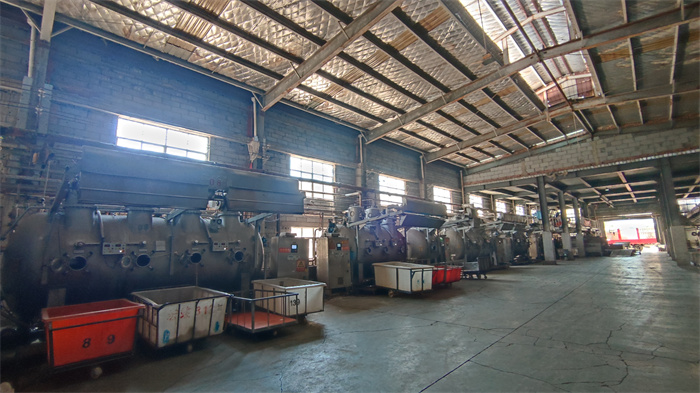
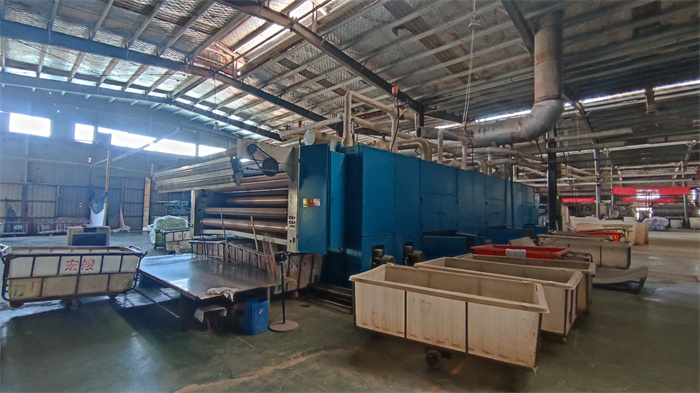
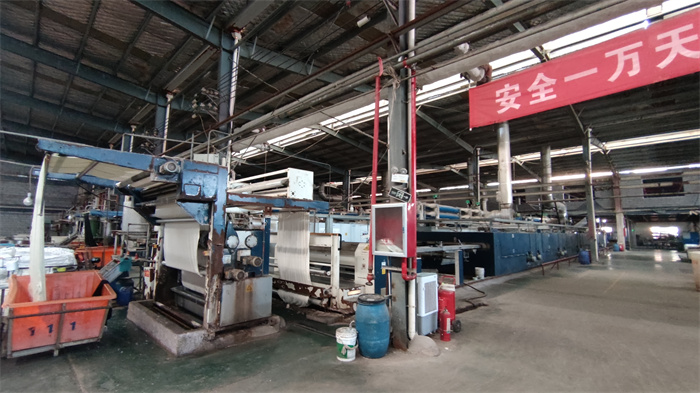
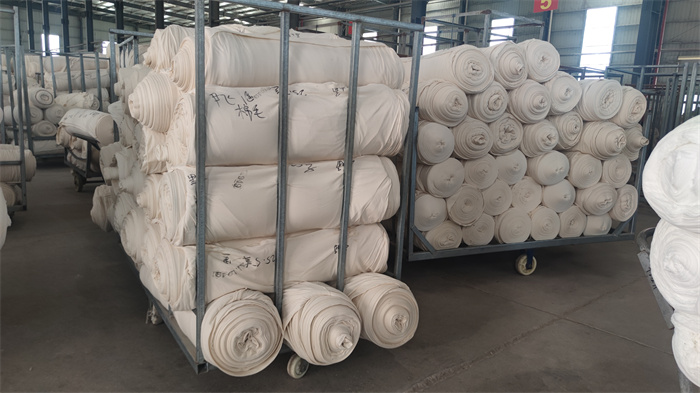
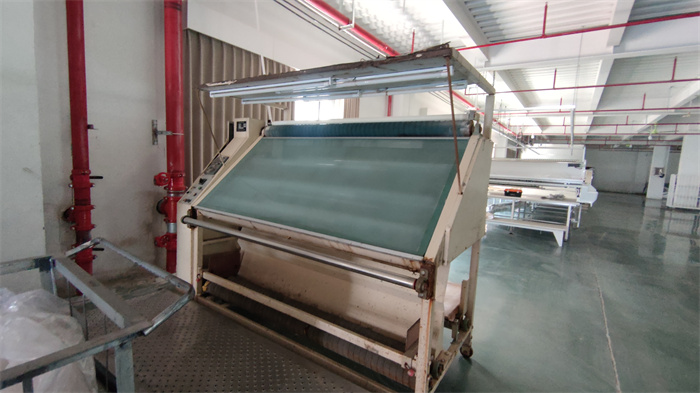
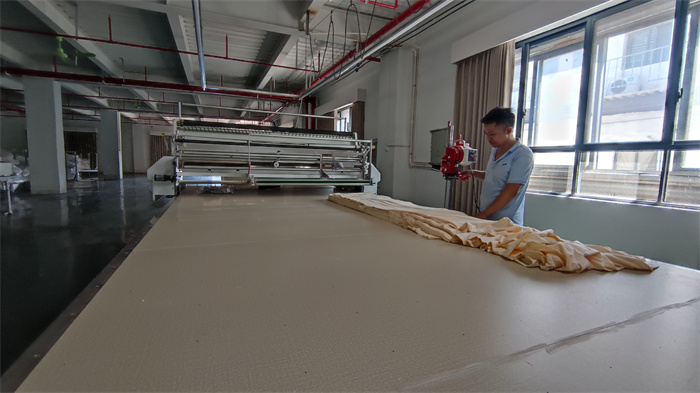
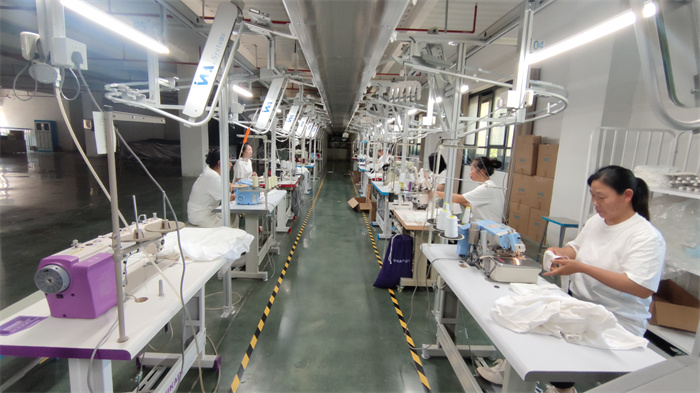
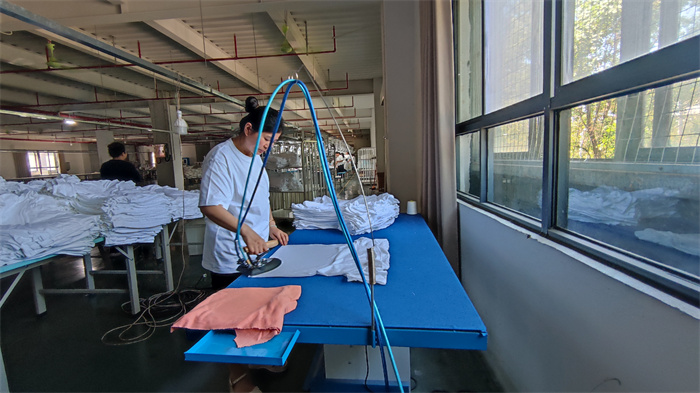
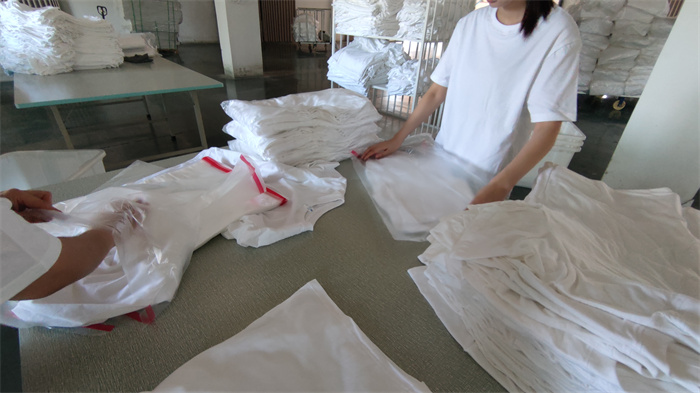
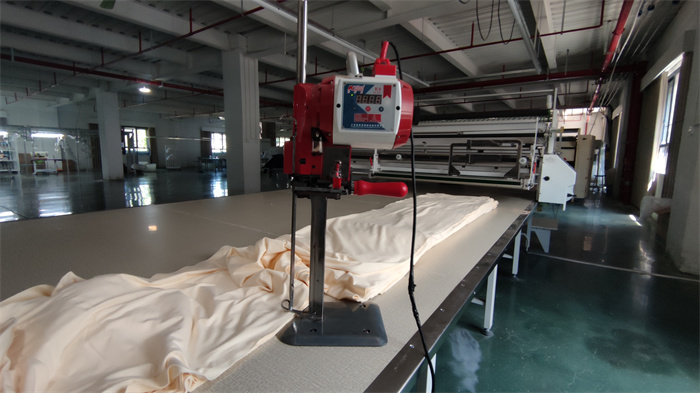
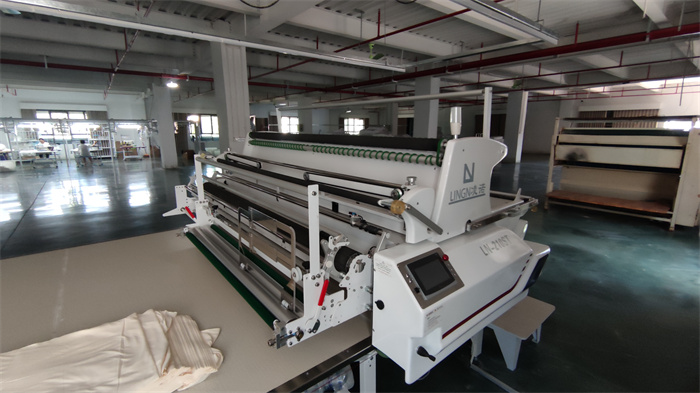
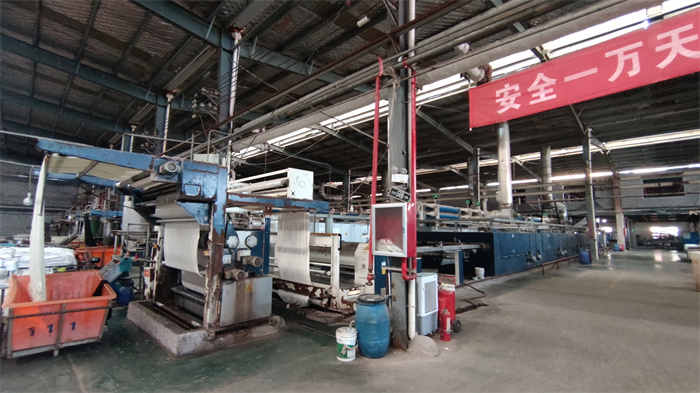
Aligning with international trade standards, environmental regulations, and local custom protocols.
Selling technical apparel globally requires navigating complex local safety regulations and import duties. Eglin Fashion provides end-to-end compliance solutions, helping brand partners minimize import hurdles in North America, Europe, and the Asia-Pacific region. Our textiles undergo testing to ensure they are free from harmful levels of substances, including heavy metals, formaldehyde, and restricted chemical dyes.
Our global operations are optimized for modern import-export rules. We provide detailed Harmonized System (HS) classifications to help procurement teams accurate calculate duties and clear customs efficiently. By integrating sustainable practices and maintaining ISO compliance, we help brands present verified environmental declarations to consumers who prioritize ESG criteria.
Accurate HS code categorization to lower customs processing friction and optimize import duties for custom blend apparel.
Documented traceability from raw fiber sourcing to packaging, helping brands meet environmental reporting requirements.
Verification of shrinkage indices, colorfastness to light/rubbing, and pilling resistance under international standards.
Emerging textile technologies that will define high-performance base layer design.
Looking to 2026 and beyond, technical apparel will continue to merge with smart hardware. We are currently developing manufacturing protocols for integrated wearable systems. This includes knitting conductive paths directly into fabric structures, allowing wearable devices and micro-fans to connect without stiff wiring.
Additionally, we are exploring bio-based synthetic polymers derived from industrial plant waste, designed to offer high moisture-wicking and insulation performance without using fossil fuel raw materials. By shifting to waterless dyeing processes, we aim to reduce resource usage and help brands reach their carbon-neutrality goals.
"At Eglin Fashion, we are not driven by short-term hype or seasonal spikes. We are driven by consistency, clarity, and buildable identity. We produce clothing—but more importantly, we help brands turn intention into structured reality."
Expert answers to critical technical questions asked by global procurement professionals.
Our standard MOQ for custom dyed and custom engineered technical base layers starts at 500 units per colorway/style. However, depending on fabric availability and material specifications (such as stock blends vs. custom spun technical yarns), we can accommodate smaller test batches for growing brands.
We partner with independent labs (such as SGS and Intertek) to run standardized testing on moisture vapor transmission rates (MVTR), thermal resistance (Clo values), and anti-bacterial efficacy (under AATCC 100 protocols). Testing reports are provided before bulk production begins.
Yes. We integrate physical electronic housings, fan systems, and Peltier cooling pads into performance and industrial workwear. Our team handles the fabric-to-hardware interfaces to ensure comfort and durability.
Our typical pattern-to-sample window is 7 to 10 working days. Bulk production requires 30 to 45 days after sample approval and deposit confirmation, depending on the complexity of the fabric weave and printing specifications.
Yes. We offer customization for all elements, including heat-sealed labels (ideal for comfort in skin-contact base layers), sustainable paper hangtags, and biodegradable bags made from compostable materials or recycled paper.
Premium streetwear, fitness gear, and business casual apparel designed for reliability and daily durability.
 Eglin Fashion