China Wholesale Graphic Tees Factories & Supplier

Premium Apparel Sourcing Guide: Silhouette Engineering, High-Yield Printing Technologies, and Global Compliance Standards for Modern Streetwear Brands.

Executive Summary & Design Philosophy

At Dongguan Eglin Fashion Co., Ltd., we recognize that the contemporary streetwear landscape is saturated with hyper-saturated aesthetics. In an era driven by trends, noise, and overexposure, we choose to return to the core architectural values of apparel: silhouette, proportion, and material integrity. We believe meaningful garments do not rely on loud statements, but on precision, restraint, and consistent design logic.

Operating from the heart of the global textile and manufacturing hub in Dongguan, China, we have developed an advanced production ecosystem. This structure bridges experimental streetwear labels, high-volume corporate buyers, and independent designers with scalable, reliable manufacturing. Our organizational philosophy is straightforward: reduce excess, refine structure, and strengthen execution. Instead of layering unnecessary design references, we focus on material consistency and robust tailoring systems.

15k+
Daily Capacity (pcs)
100%
Customizable Blends
50+
Global Partners
48h
Initial Prototype Stage

1. The Macro Industrial Landscape of Graphic Tees Sourcing

The global demand for premium custom graphic t-shirts has transformed from basic casual wear into a sophisticated, culture-driven industry. Sourcing officers and global merchandisers no longer search merely for basic cotton blanks. Modern consumer demographics, influenced heavily by high-fashion streetwear and sustainable consumption patterns, demand textiles that exhibit high dimensional stability, color-fast washability, and superior skin feel.

As an established industrial hub, Dongguan leverages unmatched supply chain clusters. In this geography, yarn spin houses, specialized dye houses, high-precision screen factories, and logistics networks converge. This density reduces lead times and minimizes the carbon footprint of transport between mid-stream operations. For international enterprise procurement, this translates into structured cost mitigation, predictable production schedules, and rapid inventory replenishment.

2. Addressing Enterprise Procurement Pain Points

Global buyers are consistently challenged by structural failures in the offshore supply chain. These friction points degrade brand equity and increase return rates:

  • Dimensional Distortion & Torque: Low-cost factories often utilize poorly stabilized open-end yarns, resulting in shirts that skew, warp, or shrink unevenly after initial washes.
  • Deteriorating Print Integrity: Issues like ink cracking, surface migration, and rough plastisol textures are common. These stem from improper curing temperatures or low-grade pigments.
  • Toxicity & Regulatory Recalls: Strict standards (such as California Proposition 65, REACH, and OEKO-TEX directives) restrict the use of phthalates, heavy metals, and formaldehyde in prints. Non-compliant suppliers pose a significant legal risk.
  • Supply Chain Volatility: Unclear production pathways, raw material shortages, and inconsistent communication slow down the time-to-market cycle for retailers.

The Eglin Solution: We mitigate these hazards through structured manufacturing frameworks, comprehensive quality controls at every node, and direct chemical transparency.

3. Eglin’s Four Pillars of Garment Engineering

We do not simply produce garments. We build and refine product systems. Our processes translate creative briefs into scalable bulk production using four key methodologies:

Silhouette Engineering

Adjusting pattern drafts to ensure correct drape, shoulder slope angles, and neck opening ratios that hold shape over time.

Fabric Intelligence

Selecting yarn counts (from 16s carded for rugged streetwear to 32s ring-spun combed for premium lines) optimized for weight and dye retention.

Construction & Detail Logic

Using double-needle cover-stitched collars, reinforced shoulder-to-shoulder taping, and high-density hems to prevent distortion.

4. Technical Printing Roadmap & Fabric Customization

Achieving clean graphics requires a clear understanding of ink physics, curing heat profiles, and fiber composition. We offer multiple printing techniques tailored to specific design and texture requirements:

  • High-Density Screen Printing: Uses custom mesh screens to apply thick, plastisol or water-based inks, creating a distinct raised 3D texture.
  • Water-Based Discharge Printing: Replaces the fabric's base dye with pigment. This yields an ultra-soft hand feel, leaving no heavy residue on the garment.
  • Direct-to-Garment (DTG) Digital Printing: Works well for complex, multi-colored designs and photographic prints. We use premium printheads to ensure sharp, detailed graphics.
  • Direct-to-Film (DTF) Heat Transfers: Delivers sharp details and strong adhesion across cotton, polyester, and performance blends.

Step-by-Step Factory Production & Machinery

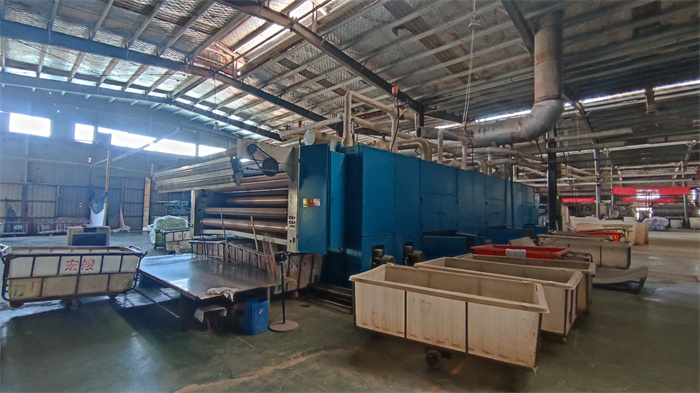
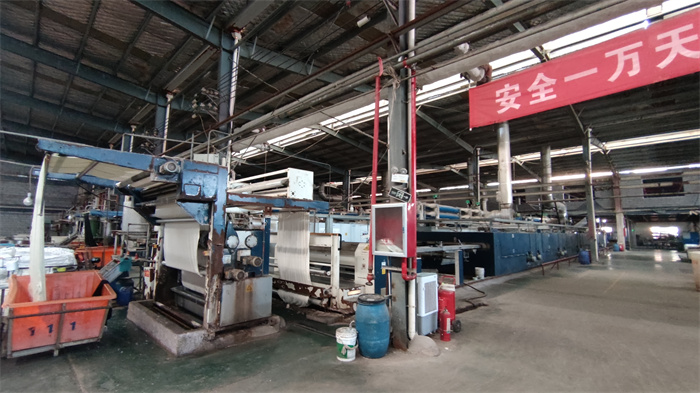
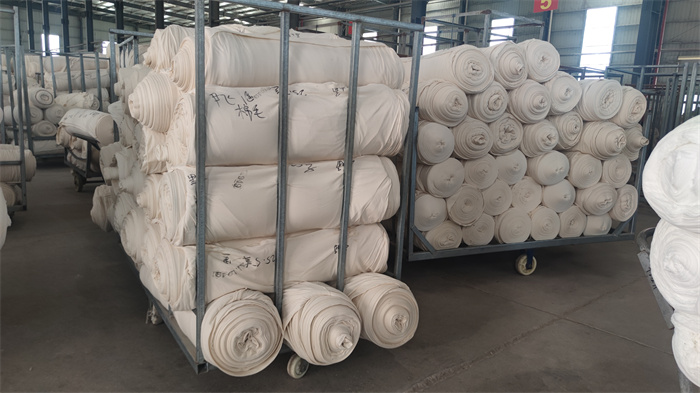
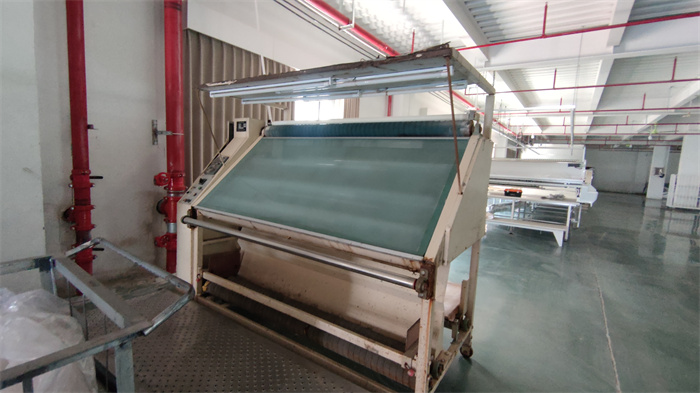
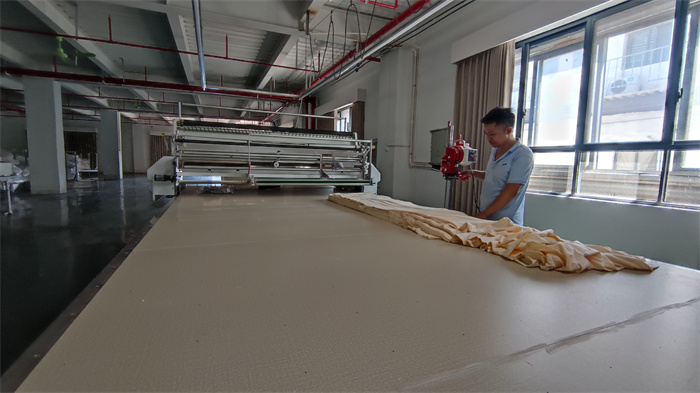
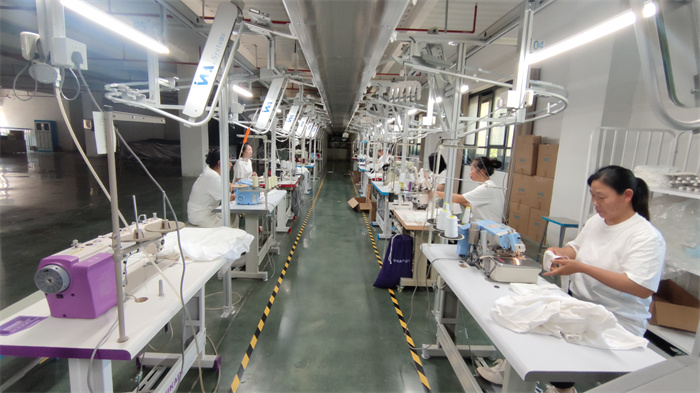
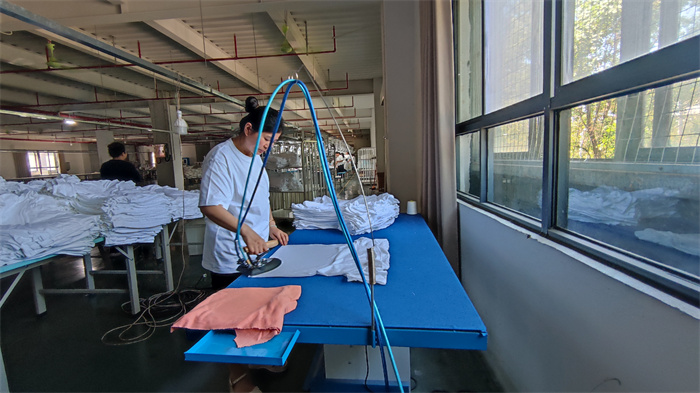
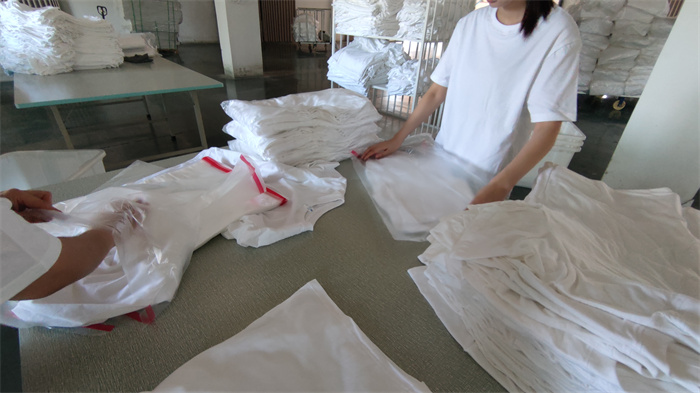
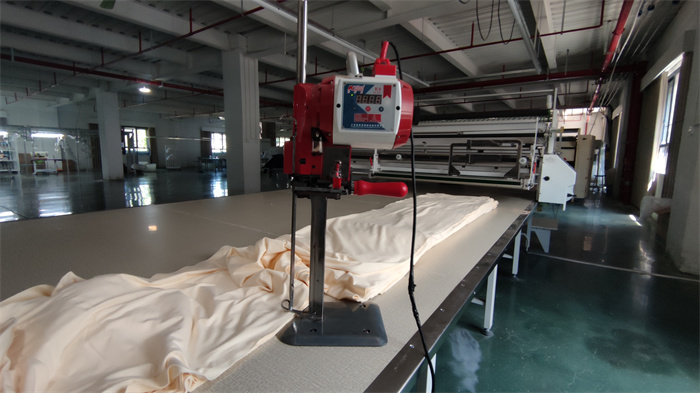
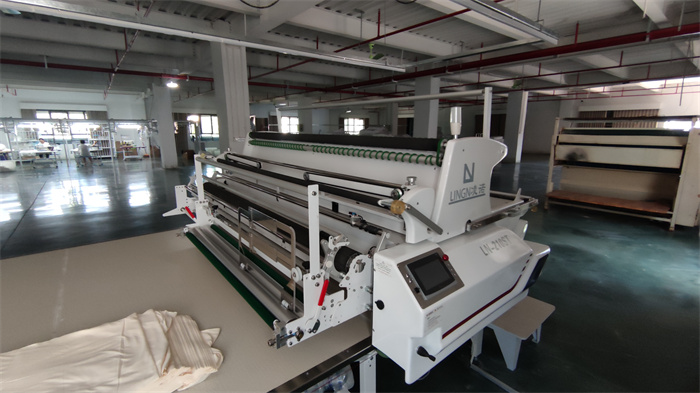
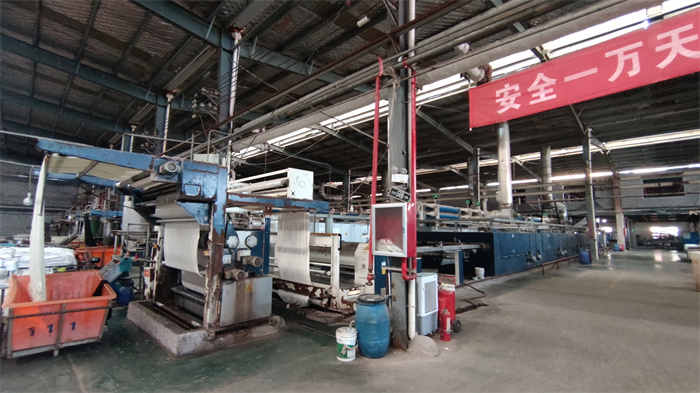
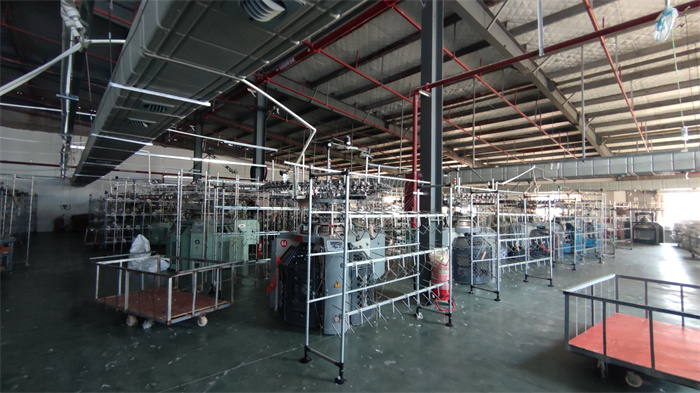
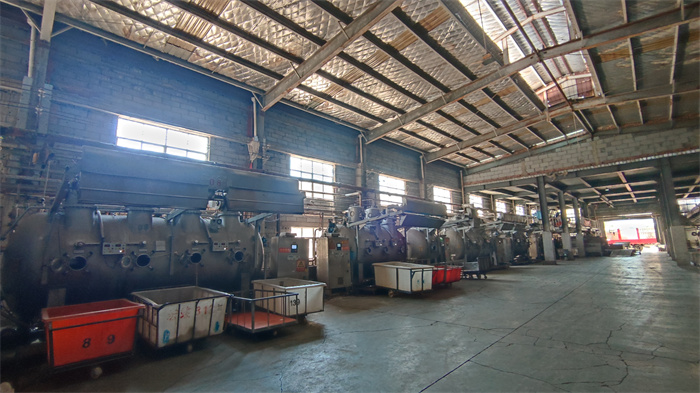
Visual insight into Eglin Fashion’s facility, showing how raw yarn is processed into finished, packaged apparel.
Weaving
Weaving
Dyed Cloth
Dyed Cloth
Drying
Drying
Finalized
Finalized
Finished Products
Finished Products
Inspection
Inspection
Cutting
Cutting
Sewing
Sewing
Ironing
Ironing
Packing and Finished Products
Electric Shearing Machine
Cloth Laying Machine
Cloth Shaping Production Line

5. Logistics Integration & Compliance Standards

Managing international supply chain corridors requires clear regulatory planning and shipping execution. We support our global client base with comprehensive logistics management:

  • Regulatory Certifications: Our materials and processing facilities strictly align with OEKO-TEX Standard 100, GOTS (Global Organic Textile Standard), and BSCI compliance. This guarantees that your goods pass safety audits worldwide.
  • Comprehensive Import Management: We organize complete HTS categorization and provide clear custom document templates. This streamlines custom clearance in major destinations across Europe, North America, and APAC.
  • Strategic Shipping Options: We coordinate sea freight, air express (DHL, FedEx, UPS), and multimodal logistics routes to balance shipping speed and delivery costs.

By taking control of these manufacturing steps—from yarn procurement to international logistics—we help brands run lean inventory strategies. This minimizes warehouse overhead and lowers the risk of stockouts during peak seasons.

Frequently Asked Questions

Key details regarding production limits, customization processes, and shipping terms.

What is the minimum order quantity (MOQ) for custom graphic tee production?
Our standard MOQ starts at 100-300 pieces per style/color, depending on the complexity of the fabric selection and printing requirements. This lower threshold allows emerging designers and premium streetwear brands to test new releases without excess inventory risk.
Can you match specific Pantone colors for custom fabrics and print inks?
Yes, we provide precise matching using the Pantone Matching System (PMS). For bulk fabric dye orders, our color lab produces lab dips for review to ensure matching under standard light-booth conditions before running production.
What quality control protocols are implemented during production?
We employ a multi-stage quality control protocol: raw fabric inspection, cut-part measurement checks, in-line sewing audits, post-printing wash tests, and 100% final inspections before packing.
Do you offer private labeling, custom tags, and bespoke packaging?
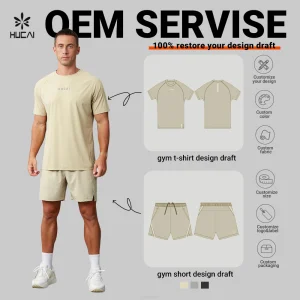
Yes. We offer complete OEM services, including woven neck labels, tear-away tags, screen-printed interior tags, custom hangtags, and branded, eco-friendly polybags.
What is the turnaround time for sample prototypes and bulk production?
Sample prototypes are typically ready within 7 to 10 working days. Bulk production takes between 20 to 30 days after sample approval and deposit confirmation, depending on order size and scheduling.