How many times can you wear sweatpants before washing? The practical answer depends on sweat, skin contact, fabric, and where you wore them. A quiet evening on the sofa is different from a heated commute or a crowded gym. There is no perfect number.
Mary Gagliardi, Ph.D., known as “Dr. Laundry” and a former Clorox scientist, offers a useful rule: “You don’t have to wash clothes after every wear.” Her guidance supports judging odor, visible marks, moisture, and personal comfort instead of following a rigid schedule. For many people, lightly worn sweatpants can be worn two to four times before washing. However, underwear, workout clothing, and sweat-soaked waistbands need more frequent care.
Industry research adds important context. The American Cleaning Institute’s consumer laundry guidance emphasizes washing garments when they hold odor, stains, body oils, or heavy soil. Textile-care recommendations from the International Association for Soaps, Detergents and Maintenance Products also connect correct washing habits with fabric life and lower household resource use. These reports do not create one universal sweatpants rule. They encourage condition-based decisions.
The honest answer is untidy.
Check the waistband, seat, knees, and cuffs. Smell the fabric in daylight, not under perfume. If the sweatpants feel damp, greasy, or stale, wash them now. If they remain dry and fresh, another wear may be reasonable. Still, this approach has limits. Sensitive skin, illness, pets, and intense exercise can change the calculation. A cautious routine may protect comfort better than chasing the fewest possible washes.
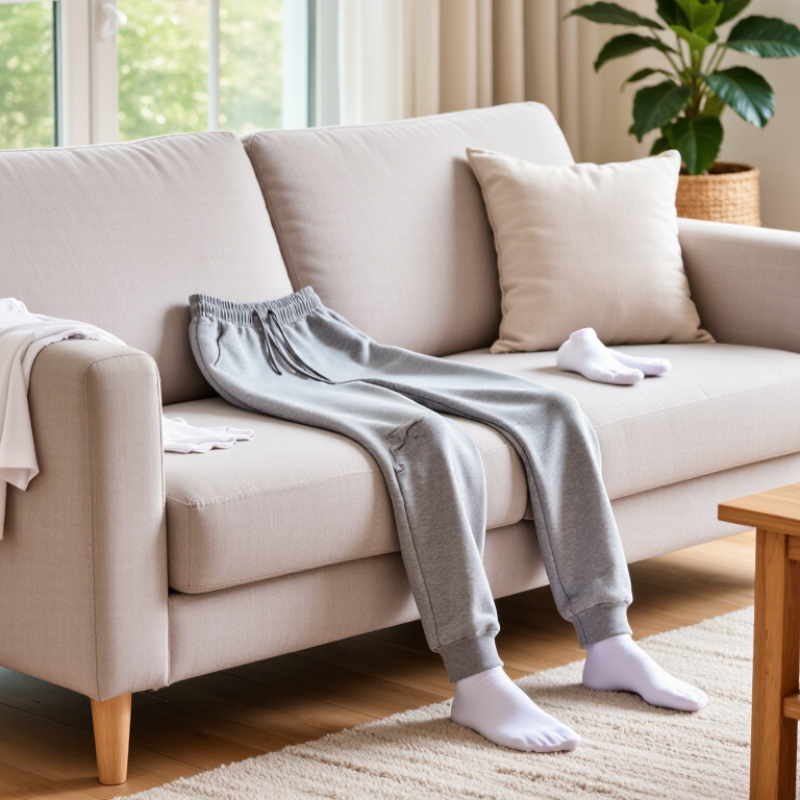
How Often Should Sweatpants Be Washed?
Sweatpants usually need washing after two to four wears. This changes with activity, weather, and personal hygiene. A quiet evening at home creates less sweat than a long walk or gym session. If the fabric feels damp, smells sour, or shows visible marks, wash it sooner. Do not rely on appearance alone. Bacteria and body oils can collect around the waistband, pockets, and knees. I sometimes wear mine twice, then regret a third wear after a warm day. That small judgment call matters.
Tips: Check the care label before washing. Turn sweatpants inside out to protect the surface and reduce fading. Use a mild detergent and avoid overloading the machine. Cold or warm water is usually suitable, but heavily soiled clothing may need warmer water if the care label allows it. Air-drying can help preserve stretch and prevent shrinkage. Dry completely before storing them, even when they seem almost dry.
Loose cotton sweatpants may handle frequent washing, while fleece can hold odors and moisture longer. People with sensitive skin may prefer washing after every wear, especially if the pants touch sweaty areas. Sharing sweatpants is not advisable. Neither is wearing them through illness without washing them afterward. There is no perfect number for everyone. Your skin, routine, and laundry habits should guide the decision.
| Wearing Situation | Typical Wear Count | Recommended Washing Frequency | Why It Matters | What to Check Before Rewearing |
|---|---|---|---|---|
| Light indoor wear | 3–5 times | After 3–5 wears | Minimal sweat and limited exposure to dirt usually allow multiple wears. | Odor, stains, dampness, and visible debris |
| Daily casual wear outdoors | 2–3 times | After 2–3 wears | Outdoor surfaces, dust, and normal body oils accumulate more quickly. | Smell around the waistband, knees, and seat |
| Light exercise or walking | 1–2 times | After 1–2 wears | Even moderate activity can transfer sweat and skin oils to the fabric. | Moisture, salt marks, odor, or fabric cling |
| Intense workout or heavy sweating | 1 time | Wash after each wear | Sweat, bacteria, and body oils can remain in the fabric and cause odor. | Any dampness or noticeable odor |
| Hot or humid weather | 1–2 times | After 1–2 wears | Heat and humidity increase perspiration and can accelerate odor buildup. | Damp waistband, under-seat area, or musty smell |
| Cold, dry weather | 3–5 times | After 3–5 wears | Lower perspiration levels may reduce the need for frequent washing. | Odor, visible marks, and contact with dirty surfaces |
| Worn while eating, cooking, or doing chores | 1–2 times | Wash when visibly soiled | Food, grease, dust, and household dirt can require prompt cleaning. | Spills, grease, crumbs, and stains |
| Used during illness or by someone with sensitive skin | 1 time | Wash after each wear | More frequent laundering helps remove bodily fluids, allergens, and irritants. | Follow care instructions and use a suitable detergent |
Light indoor wear may allow two to four wears. Sweat, stains, and heat shorten that interval. Not always.
Wash them after workouts, outdoor work, hot travel, or several sweaty hours. Also wash visible food, mud, makeup, or pet hair promptly.
Airing can reduce trapped moisture and mild odors temporarily. It cannot remove skin oil, bacteria, or spilled food. Airflow matters.
Turn them inside out and empty the pockets. Hang them from the waistband in a cool, dry place. Leave space around the fabric.
A chair back can work briefly when no hanger is available. However, it may provide less airflow than a wide hanger.
Use cold or warm water for cotton to limit shrinking. Turn fleece inside out and choose a low-temperature cycle. Avoid overloading the washer.
Synthetic fabrics dry quickly but may retain body odor. Wash them after exercise when the care label permits warm water. Wash wool blends gently and lay them flat.
Dry them completely before folding. Hidden moisture can create a musty smell or encourage mildew. Reshape cuffs before drying, then store them loosely away from sunlight.
Wash them when they feel sticky, itchy, damp, or unusually heavy. Sensitive skin may require a fresh pair after each sweaty wear. I learned this late.
How many times can you wear sweatpants before washing depends on how they are used, how much you sweat, and whether they have direct contact with your skin. Sweatpants worn casually at home may be worn several times before washing if they remain dry, odor-free, and free of visible stains. However, exercise, warm weather, spills, body oils, and close contact with pets can make washing necessary sooner. A practical approach is to inspect the fabric and smell the garment rather than relying on a fixed number of wears.
Between uses, turn sweatpants inside out and hang them in a well-ventilated area so moisture can evaporate. Avoid leaving them crumpled in a laundry basket. When washing, follow the care label and choose a gentle cycle with cool or warm water. Cotton usually benefits from careful washing and moderate drying, while fleece and synthetic fabrics may retain odors and should be washed promptly after heavy sweating. Air-drying can help preserve softness, shape, and fabric life.

 Eglin Fashion