2026 Best How to Choose the Right Length for Mens Trousers?

Time:2026-10-17 Author:Oliver
0%

Choosing trouser length looks simple, yet small differences can change an entire outfit. The right hem should work with your shoes, body proportions, fabric, and preferred style. This guide explores how to choose the right length for mens trousers through practical fitting principles, tailoring experience, and clear visual checks.

Menswear authority Alan Flusser has said, “The trouser should break just once over the shoe.” This advice remains useful, but it is not a strict law. A slim wool trouser may look polished with a slight break, while relaxed cotton trousers can appear better with a cleaner, shorter finish. Stand naturally during the fitting. Check the fabric above the shoe. One soft fold is usually controlled; several folds may signal excess length.

Your shoes matter more than many shoppers expect. A leather loafer exposes more ankle, while a chunky sneaker needs additional coverage. The hem should meet the upper without swallowing the shoe. Try walking, sitting, and standing again. Trousers often rise more than expected when you sit.

There is no perfect length for every man. Personal taste still matters. I have found that many fitting guides simplify this decision too much. They may ignore posture, calf shape, or daily movement. A technically correct hem can still feel wrong in real life. Use the mirror, but trust comfort and proportion together. A skilled tailor can refine the final quarter-inch, where confidence often begins.
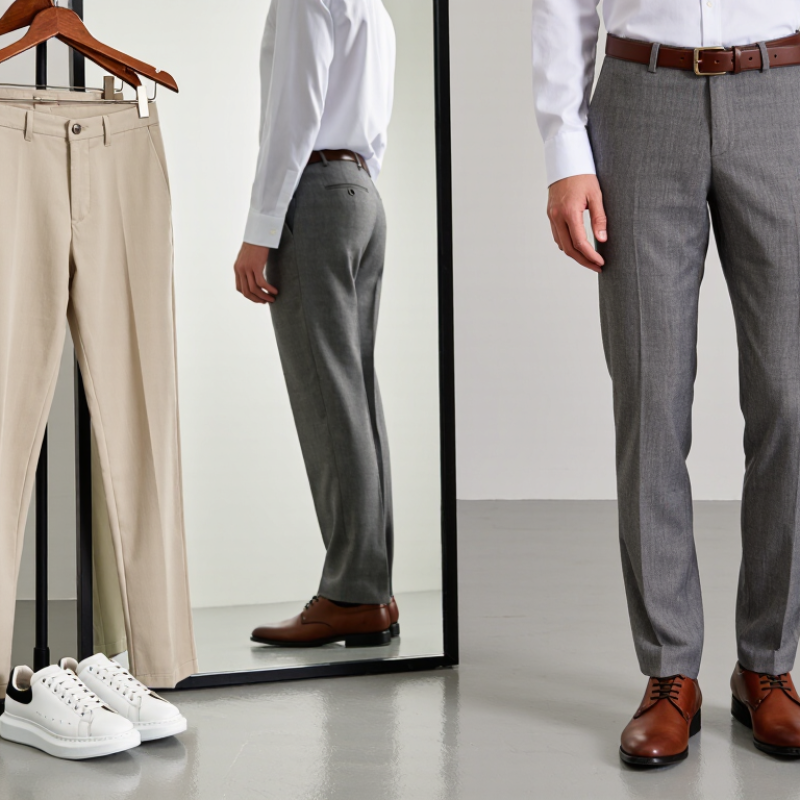
2026 Best How to Choose the Right Length for Mens Trousers?

Understanding Trouser Length and Its Role in Men’s Style

2026 Best How to Choose the Right Length for Men’s Trousers?

Understanding Trouser Length and Its Role in Men’s Style

Trouser length shapes a man’s entire silhouette. It affects the shoe line, leg proportion, and overall polish. In practical fittings, I check the break while standing and walking. Fabric should lightly touch the shoe, not collapse around the ankle. Slim trousers usually suit a slight break or clean, no-break finish. Wider trousers can take a fuller break without looking careless.

The choice also affects value. The National Retail Federation reported $743 billion in U.S. retail returns during 2023, equal to 14.5% of retail sales. That figure is not trouser-specific, but poor fit remains an avoidable problem. A correct inseam can reduce alterations, discomfort, and regret. The rule is useful, not absolute. I still sometimes prefer a longer hem with heavier fabric.

Tips: Measure from the crotch to the shoe’s top edge, not the floor. Try trousers with your usual footwear. Walk, sit, and inspect the back hem. For formal trousers, aim for a gentle front break. For casual styles, a shorter hem can expose a small amount of ankle. Check the mirror from the side. A tailor can refine the last centimetre, but cannot fix poor proportions.

Measuring Your Body for the Correct Trouser Length

Before choosing trouser length, measure your body while standing naturally. Wear the shoes you usually pair with trousers. Their sole height changes the final break.

Use a soft tape for your inseam. Place one end high against the crotch, without pressing painfully, and measure to the floor. Keep the tape straight along the inner leg. Ask someone to help; bending often shortens the result. Record the measurement twice. Small errors matter.

Measure your waist at the place where the trousers will sit, not automatically at your narrowest point. Keep one finger under the tape for comfort. A reliable fitting method also checks the rise, because a longer rise can reduce the visible trouser length.

My own measurements have changed slightly during the day, especially after sitting or exercising. That is normal, not a measuring failure.

For a clean appearance, try trousers with your usual shoes and stand in front of a full-length mirror. The hem should approach the shoe without swallowing it. A slight break may suit formal trousers, while a shorter hem can look sharper with slim cuts. Do not trust numbers alone. Fabric weight, posture, and leg shape affect the result. Even careful measuring cannot replace a real fitting.

Choosing the Ideal Break for Different Trouser Styles

Choosing the right trouser break starts with the style, fabric, and shoes you actually wear. In my fittings, a hem is rarely perfect by measurement alone. Stand naturally, then walk a few steps. A mirror can hide problems that movement reveals.

Classic wool trousers usually look balanced with a slight break. The front should show one clean fold, not several crushed lines. A full break suits relaxed, traditional cuts, but excess fabric can look heavy around the ankle. Slim tailored trousers often work best with no break or a very slight break. The hem should touch the shoe lightly without exposing the sock while standing. Cropped trousers need a deliberate shorter finish, usually above the shoe, rather than an accidental-looking high hem.

Chinos and casual cotton trousers can accept a small break, especially with loafers or sneakers. Heavier denim may stack slightly, but stacking should follow the cut instead of hiding poor length. Wide-leg trousers need more room at the hem, so a sharp, short break can look awkward. Let the fabric fall naturally over the shoe.

This is where judgment matters. A tailor can check the hem from the side and back, where folds often appear first. Trouser length also changes with posture, shoe height, and washing. I once preferred a clean no-break finish, then found it looked too short after wearing softer shoes. A fitting should include your real footwear. Even a small adjustment can change the entire silhouette.

Matching Trouser Length to Shoes, Fit, and Occasion

2026 Best How to Choose the Right Length for Mens Trousers?

Choosing trouser length starts with your shoes, not a ruler. In my fittings, I check the break while the wearer stands naturally. Slim trousers usually look clean with a slight break or no break. The hem should touch the shoe lightly, without folding into a thick ridge. Wider trousers can support a fuller break, which adds movement and balance. Too much pooling looks accidental. Sometimes.

Low-profile sneakers suit a shorter hem, especially with tapered trousers. The fabric may finish just above the shoe’s upper edge. Dress shoes usually work better with a slight break, creating a controlled line across the front. Boots need extra attention because their higher shape can make short trousers appear unplanned. Try the trousers with the socks you actually wear. They may show when seated. That detail matters.

The occasion also changes the answer. For a conservative office, a slight break feels dependable and polished. Formal trousers often look sharper with a clean, minimal break. Casual trousers can sit shorter, but the fit must remain intentional around the ankle. Always test alterations with your real shoes and belt. I once shortened trousers before checking a client’s everyday boots. The result looked fine at first, then too short outside the fitting room. That mistake taught me to check walking, sitting, and stairs. Leave a little extra fabric when the correct length still feels uncertain.

Checking and Adjusting Trouser Length for a Better Fit

2026 Best How to Choose the Right Length for Mens Trousers?

Checking trouser length starts with movement, not a mirror pose. Stand barefoot, then wear the shoes you normally pair with the trousers. The hem should touch the shoe lightly, creating a clean half break for a balanced appearance. A sharper, shorter finish may suit slimmer cuts, but it can expose too much sock when sitting. Try both positions.

I check three points: waistband, crotch comfort, and front hem. The waistband should stay level without pulling. The crotch should not wrinkle sharply or restrict walking. From the side, the trouser line should fall smoothly over the shoe. Sit down. The hem will rise, and that reveals whether the length is truly practical. My first fitting mistake was judging only from the front. It looked neat, but the trousers felt short after sitting.

Adjustments should be small. A tailor can usually lengthen or shorten the hem, but available fabric limits the change. The WRAP Valuing Our Clothes report found that extending a garment’s active life by nine months can reduce its carbon, water, and waste footprints by about 20–30%. Proper alteration supports that longer use. Still, this is not a rigid formula. Body proportions, shoe height, fabric weight, and personal movement all matter. Check the fit twice. Then decide.

2026 Best How to Choose the Right Length for Men's Trousers? - Checking and Adjusting Trouser Length for a Better Fit
Fit Area Recommended Measurement or Standard How to Check the Fit Common Adjustment Best Use
Starting Inseam Measurement Measure from the crotch seam to the desired hem point Stand naturally with your feet about shoulder-width apart. Measure along the inside leg, following the leg shape rather than pulling the tape tightly. Compare the result with the garment's stated inseam. A difference of 1–2 cm (⅜–¾ in) is normally easy to correct. Choosing a starting size when shopping or ordering trousers
Full Break About 3–5 cm (1¼–2 in) of fabric folds over the shoe A prominent horizontal crease appears at the front of the shoe, with additional fabric gathering around the lower leg. Shorten the trousers if the fabric collapses into several folds or the hem touches the floor at the back. Classic, traditional, or relaxed tailoring
Medium Break About 1.5–3 cm (⅝–1¼ in) of fabric folds over the shoe The hem makes one controlled crease at the front while the trouser line remains relatively clean at the back. Reduce or add approximately 1–2 cm (⅜–¾ in) at the hem to refine the crease. Versatile business and smart-casual dressing
Slight Break About 0.5–1.5 cm (¼–⅝ in) of fabric folds over the shoe The trouser leg lightly touches the shoe, creating a small crease without visible bunching. Shorten slightly if the hem forms more than one fold; lengthen if the ankle becomes visibly exposed while standing. Modern tailoring and tapered trousers
No Break The hem barely touches the shoe or ends just above it The front crease is minimal or absent. When standing, the hem should not reveal a large area of sock or ankle. Add approximately 1–2 cm (⅜–¾ in) if the hem rises noticeably when walking or sitting. Clean, contemporary, and minimalist outfits
Cropped Length Usually 2–5 cm (¾–2 in) above the shoe The ankle or sock is intentionally visible. The opening should look deliberate rather than too short for the wearer's height. Keep the hem even around the leg opening and avoid excessive tapering that restricts movement. Casual trousers, summer outfits, and fashion-led styling
Back Hem Position The hem should meet the upper heel or sit slightly above it From the side, the back hem should not drag on the floor or extend far below the heel counter. Shorten the back or reshape the hem if the front looks correct but the rear pools over the shoe. Maintaining a clean side and rear profile
Trouser Width Effect Wider legs generally need more length; narrow legs usually look cleaner with less break Check the trousers with the shoes normally worn. The correct length depends on how the fabric falls from the knee to the hem. Reassess the length after tapering or widening the leg because changes in width can alter the visual break. Balancing leg shape and hem appearance
Sitting Check A small amount of sock exposure is normal when seated Sit with the knees bent at a right angle. The trousers should not pull uncomfortably at the knees or ride excessively high. If the hem rises substantially, check the rise, thigh width, and inseam rather than adding length alone. Testing comfort and mobility
Walking Check The hem should remain above the ground and move freely Walk several steps and climb a stair. The hem should not catch under the heel or twist around the ankle. Correct the inseam, leg opening, or trouser balance if the fabric catches or rotates during movement. Everyday wear and active movement
Cuff or Turn-Up Common cuff height: about 3–4 cm (1¼–1½ in) A cuff adds visual weight and usually works best when the hem has a slight or medium break rather than being extremely short. Allow for the cuff's folded height when calculating the finished inseam. Structured tailoring and classic casual trousers
Hem Allowance Many trousers provide approximately 2–4 cm (¾–1½ in) of extra fabric inside the hem Inspect the inside hem before altering. The available allowance varies by garment construction and should not be assumed. A tailor can often lengthen trousers slightly when sufficient internal fabric is available; additional fabric may be needed for a larger change. Planning alterations and preserving the original finish
Final Shoe Test Evaluate trousers with the shoes used most often Compare the front break, back hem, and ankle exposure while standing, walking, and sitting. Mark the finished hem while wearing the intended shoes and keep both legs level before pinning. Final fitting before hemming
Measurement note: 1 inch = 2.54 cm. The recommended break ranges are practical tailoring guidelines rather than fixed rules. Shoe height, trouser width, fabric weight, posture, and personal style can all change the ideal finished length.

FAQS

How should I measure my inseam for trouser length?

Stand naturally and wear your usual trousers shoes. Place the tape high against your crotch. Keep it straight to the floor. Ask someone to help. Bending can shorten the result. Measure twice.

Where should I measure my waist?

Measure where the waistband will sit. Do not automatically use your narrowest point. Keep one finger under the tape. Comfort matters.

Why do shoes affect trouser length?

Shoe soles change the hem’s final position. Low-profile shoes often suit shorter hems. Dress shoes usually work with a slight break. Boots may need extra length.

What does a trouser break mean?

A break is the small fold where fabric meets the shoe. A slight break looks dependable and polished. No break looks sharper with slim trousers. Too much pooling looks accidental.

How should trouser length change with different fits?

Slim trousers usually suit a slight break or clean hem. Wider trousers can handle a fuller break. The fabric should not form a thick ridge.

How can I check trouser length while moving?

Walk, sit, and use stairs while wearing your normal shoes. Check whether the hem rises too far. Sitting may reveal too much sock. A mirror alone can mislead.

What other fitting details should I inspect?

Check the waistband, crotch, and front hem. The waistband should stay level without pulling. The crotch should allow walking. From the side, the fabric should fall smoothly.

Can a tailor fix trousers that are too long or short?

Small hem adjustments are usually possible. Available fabric limits how much length can change. Leave extra fabric when uncertain. I once shortened trousers before checking boots. They looked fine indoors, then too short outside.

Conclusion

Choosing the right trouser length is an essential part of creating a polished and comfortable men’s wardrobe. This guide explains how to choose the right length for mens trousers by considering your body measurements, leg shape, rise, and preferred overall fit. It introduces the role of trouser break, from no break to full break, and shows how each option can influence the appearance of casual, tailored, and formal trousers.

The article also explores how trouser length should work with different shoes, clothing styles, and occasions. Readers will learn how to check whether trousers sit correctly at the waist, fall neatly over the shoes, and maintain a balanced silhouette while walking or sitting. Practical adjustment tips are included for trousers that are too long or too short, helping men achieve a cleaner fit and greater confidence in everyday dressing.

Oliver

Oliver

Oliver is a seasoned marketing professional with a wealth of expertise in driving brand awareness and engagement. With a deep understanding of our company's product offerings, he consistently delivers high-quality content that enriches our professional blog. His insights not only shed light on......