When considering what temperature is best for wearing a light jacket, understanding the nuances becomes essential. According to a 2022 report from the National Weather Service, temperatures ranging from 50°F to 65°F serve as optimal conditions for light outerwear. This range reflects comfort levels for many individuals, showcasing the delicate balance between warmth and breathability.
Factors like humidity and wind speed play a considerable role in this equation. A 2023 study by the American Meteorological Society indicated that even slight variations in these elements could affect how we perceive temperature. For instance, a mere 5°F drop with high humidity can make a 'cool' day feel quite chilly. While 60°F might feel comfortable in dry air, humidity can make it feel much colder.
Choosing the right temperature for a light jacket isn't just science. Personal comfort levels vary widely. Preferences may depend on individual body temperature and activity level. Some may feel fine in a light jacket at 65°F, while others may prefer something warmer. Assessing the right temperature is more complex than it seems. Balancing personal comfort with external conditions often requires thoughtful consideration.
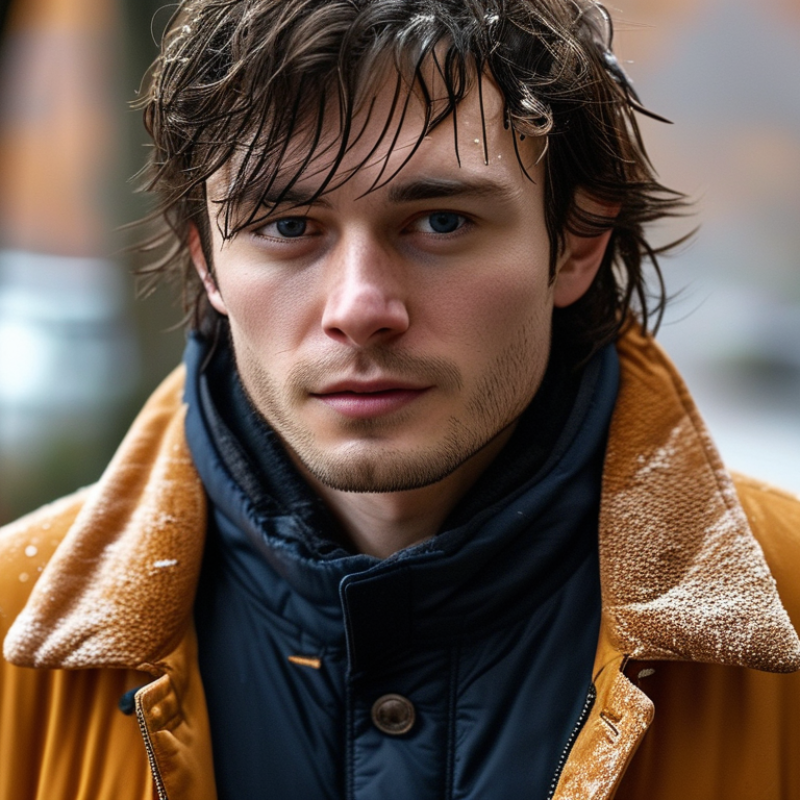
When considering the ideal temperature range for wearing a light jacket, experts suggest that 50°F to 68°F (10°C to 20°C) is optimal. At these temperatures, a light jacket provides essential warmth without causing overheating. A study by the American Meteorological Society indicates that layering can significantly enhance thermal comfort, especially in transitional seasons like spring and fall.
Surveys reveal that 65% of people prefer a light jacket during these mild conditions. The comfort zone varies significantly among individuals, influenced by factors such as activity level and personal preferences. Some may feel chilly at 68°F while others find it ideal. This variability emphasizes the importance of personal experience when choosing outerwear.
However, testing how much insulation you need can be tricky. Many find that a light jacket works well until temperatures dip below 50°F. There’s a tendency to overlook how wind can impact perceived warmth. A sudden breeze can make it feel cooler, thus making the jacket essential. Understanding local climate patterns and how they affect your comfort is invaluable. It promotes better decision-making in selecting the right outerwear for different situations.
When considering the best temperature for wearing a light jacket, several factors come into play. Personal comfort often varies, but studies have shown that temperatures between 50°F to 65°F (10°C to 18°C) are ideal for this type of outerwear. Humidity levels also impact how we perceive temperature. A humid environment can make you feel warmer, suggesting you might forgo that light jacket.
Choosing the right jacket depends on wind chill factors. Wind speeds of over 10 mph can make a significant difference in how cold you feel. A light jacket may provide just enough insulation against the chill. According to the National Weather Service, wind chill can drop the perceived temperature by several degrees, emphasizing the need for a layer that adapts to outdoor conditions.
Layering is key for fluctuating temperatures. As the day warms, you might find yourself removing your jacket only to need it again later. Consider materials like breathable fabrics that allow for moisture-wicking. Observe how you feel throughout the day. Not every light jacket is the ideal fit. Reflect on your choices, and ensure your jacket is practical for changing weather patterns.
Seasonal changes have a significant impact on jacket selection. As temperatures drop and fluctuate between seasons, choosing the appropriate outerwear becomes crucial. Research by the National Oceanic and Atmospheric Administration (NOAA) indicates that spring temperatures can range from 50°F to 70°F. In this range, light jackets become essential for warmth while maintaining comfort and style.
During transitional weather, a light jacket serves as a key layering piece. It offers protection against wind and occasional rain, common in spring months. According to the American Meteorological Society, a light jacket is ideal for temperatures around 60°F. It keeps wearers comfortable while allowing for easy adjustments as temperatures change throughout the day.
If you’re unsure about how to choose a light jacket, think about versatility. Many styles can be layered over heavier clothing. Choose breathable fabrics to enhance comfort. Experiment with different styles to find what suits you best. Remember, every individual's comfort zone varies, so trust your instincts. Mixing and matching can also lead to unique fashion statements. Embrace the occasional outfit misstep—it’s part of the exploration process.
Choosing the right material for a light jacket is crucial when temperatures fluctuate. Lightweight cotton is breathable. It keeps you cool during warm afternoons yet can provide some warmth in cooler evenings. If you expect rain, a synthetic blend might be better. Synthetic fabrics repel moisture, ensuring you stay dry.
Another option is a polyester mix. This material offers durability and can withstand wind. When selecting jackets, consider the lining too. A fleece lining can add warmth without bulk. However, it may trap heat during a sunny day. It’s all about balancing comfort and practicality.
Reflecting on personal experiences, some might choose style over function. A trendy jacket may look great but fail in cold winds. Others might overestimate the weather. It's important to forecast conditions and choose wisely. No material is perfect for every situation. Understanding your environment helps in making the right choice.
| Temperature Range (°F) | Recommended Material | Suitable Weather Conditions | Examples of Activities |
|---|---|---|---|
| 50 - 60 | Cotton Blend | Mild and Breezy | Casual Outings, Spring Walks |
| 40 - 50 | Polyester | Cooler with Light Winds | Hiking, Outdoor Sports |
| 30 - 40 | Fleece Lined | Chilly, Possibly Cloudy | Jogging, Casual Errands |
| 20 - 30 | Water-Resistant Nylon | Cold with Chance of Precipitation | Traveling, Shopping |
| Below 20 | Insulated Jacket | Freezing, Snowy Conditions | Winter Sports, Snow Shoveling |
Layering with a light jacket is an art. It allows for versatility and comfort in fluctuating temperatures. Start with a breathable base layer, like a light t-shirt or long-sleeve shirt. Fabrics that wick moisture can keep you dry. Choose materials like cotton or merino wool—they breathe well.
On top, wear your light jacket. A slightly fitted style will prevent it from looking bulky. Roll up the sleeves for a casual vibe. Accessorize with a scarf for added warmth. A scarf can also add a pop of color to your outfit. Underneath, you might want to wear a thin sweater or cardigan if it's chilly.
Consider the weather when layering. It’s important to be prepared for changes. Some days can start warm, only to drop in temperature. Paying attention to how you feel is crucial. If you get too warm, you can easily remove a layer. Aim for a balanced look that doesn’t compromise comfort. Mixing textures can make your outfit more interesting while providing warmth.
: The optimal range is 50°F to 68°F (10°C to 20°C).
Comfort varies significantly. Some feel chilly at 68°F, while others find it ideal.
Layering enhances thermal comfort, especially in spring and fall.
Consider wind and rain. A sudden breeze can make it feel cooler.
Seasonal temperature fluctuations require careful selection of outerwear.
Activity level, preferences, and local climate patterns matter greatly.
Choose breathable fabrics. Layer over heavier clothing for maximum comfort.
Experiment with different styles. Trust your instincts to find what suits you.
Yes, occasional outfit missteps are part of the exploration process.
It offers essential warmth while allowing for easy adjustments during temperature changes.
Determining "what temperature is best for wearing a light jacket" largely depends on a variety of factors, including personal comfort, activity level, and local climate. Generally, temperatures ranging from 50°F to 65°F (10°C to 18°C) are ideal for donning a light jacket, providing just enough warmth without overheating. Seasonal changes also play a critical role, as cooler mornings or evenings might necessitate a light jacket even on warmer days.
Additionally, the material of the light jacket significantly influences its suitability for different temperatures. Breathable fabrics can keep you comfortable in a broader range of conditions, while layering techniques can enhance versatility. By combining a light jacket with appropriate underlayers, individuals can adapt to fluctuating temperatures throughout the day, ensuring optimal comfort regardless of the specific conditions.

Eglin Fashion